Research briefs

Keep up to date with the latest research on disaster risk and resilience on the PreventionWeb knowledge base.

Explore cutting-edge research on disaster risk reduction and resilience through PreventionWeb's dedicated research briefs section. Our platform curates and highlights the most recent academic studies, providing valuable insights into disaster risk management. Each research brief distills key findings from peer-reviewed journals and academic publications.

Submit a research brief.

These briefs are designed to keep you informed about the latest scientific advances. Links to the full publications are always included, ensuring easy access to in-depth knowledge. Please note that this section exclusively features academic research, distinct from reports by international organizations or Non-Governmental Organisations.
Uploaded on
Research briefs

In nationwide projections, elderly and Black adults are most at risk for cardiovascular death due to extreme heat, finds a new study in journal, Circulation.

The American Heart Association
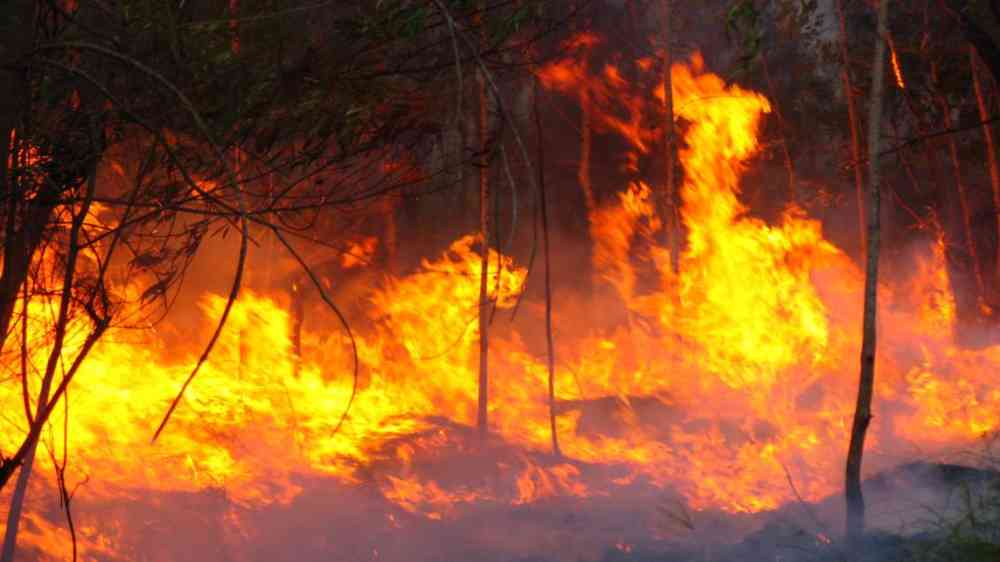
Bushfire, Australia
Research briefs

What if plants grown on agricultural land could be harnessed to help mitigate fires? This study finds that many common crops and pastures are low in flammability and could be used to redesign agricultural landscapes against wildfires.

Conversation Media Group, the
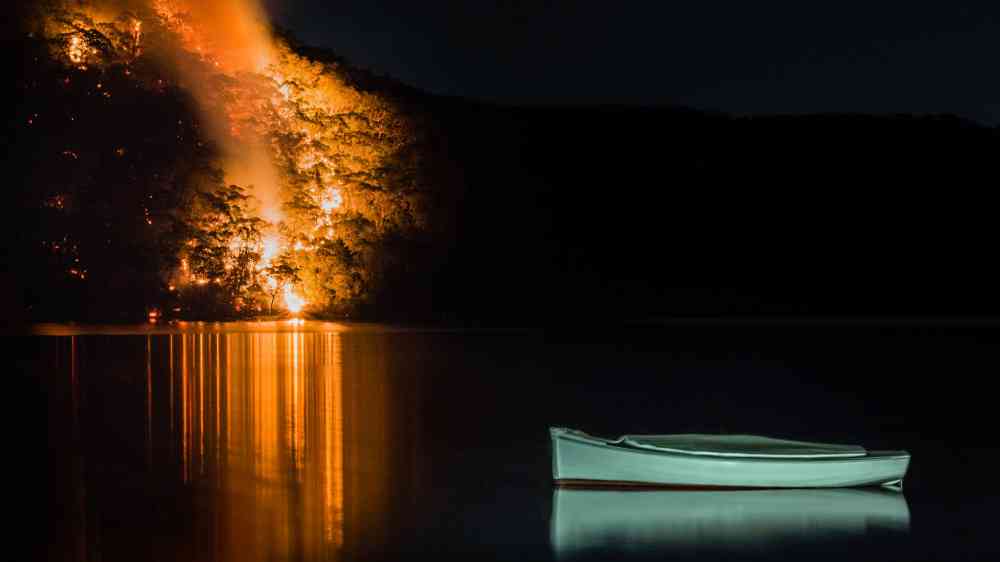
Bushfire, Australia
Research briefs

A new warning system developed by a UNSW Canberra researcher could help firefighters better understand the severity of upcoming fire seasons.

University of New South Wales
Research briefs

A research team from the Chinese Academy of Sciences has explored the long-lasting effects of pre-phase landslides on future landslide occurrences and evaluated the susceptibility of regions prone to seismic events.

Chinese Academy of Sciences
Research briefs

Researchers have reconstructed an historic volcanic eruption using 3D seismics - a geophysical technique that uses sound waves to create cross-sectional profiles of geological structures beneath the seabed.

GEOMAR Helmholtz Centre for Ocean Research Kiel
Research briefs

A team of Earth scientists has found evidence that suggests cyclones have become more common over the past half-century and have also become stronger. They gathered resource data from a variety of sites covering decades of Arctic environmental research.

PhysOrg, Omicron Technology Ltd
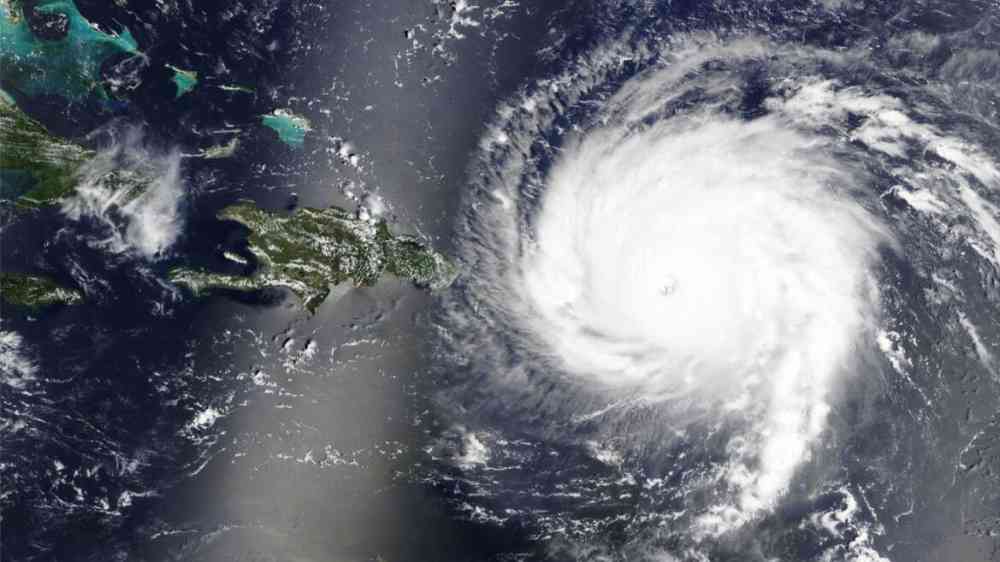
Hurricane Irma traverses the Eastern Caribbean in this satellite view
Research briefs

New study may help forecasters better predict dangerous storms.

National Center for Atmospheric Research (NSF NCAR)
Arctic sea with ice
Research briefs

Weather instabilities in the Arctic and changes in air temperature in distant regions such as California and Southwest China are linked, an international team of researchers reveals.

Potsdam Institute for Climate Impact Research