Research briefs

Keep up to date with the latest research on disaster risk and resilience on the PreventionWeb knowledge base.

Explore cutting-edge research on disaster risk reduction and resilience through PreventionWeb's dedicated research briefs section. Our platform curates and highlights the most recent academic studies, providing valuable insights into disaster risk management. Each research brief distills key findings from peer-reviewed journals and academic publications.

Submit a research brief.

These briefs are designed to keep you informed about the latest scientific advances. Links to the full publications are always included, ensuring easy access to in-depth knowledge. Please note that this section exclusively features academic research, distinct from reports by international organizations or Non-Governmental Organisations.

Uploaded on
Research briefs

A new study from the Barcelona Institute for Global Health suggests that the risk of hospital death from respiratory illness is higher in warmer, summer months, which may have implications for how hospitals will need to adjust to climate change.

University of Minnesota
Research briefs

In the summer of 2022, persistent high temperature and drought compound extreme events occurred in central and eastern China, affecting a wide area and lasting for a long time.

Institute of Atmospheric Physics, Chinese Academy of Sciences
Research briefs

Scientists recently unveiled a framework for attributing spatially compounding events involving two different hazards. Their innovative approach uses a storyline-probability combined model, significantly enhancing the confidence in attribution statements.

Institute of Atmospheric Physics, Chinese Academy of Sciences
Research briefs

What would happen if a volcano were to erupt tomorrow in New Mexico? How prepared as we as a society for an event like this to occur

The University of New Mexico
Research briefs

Climate change poses the biggest risks to the most vulnerable people, and the same is true for businesses: Highly leveraged companies – those that have accumulated too much debt – are uniquely susceptible to climate shocks.

Conversation Media Group, the
A family observes the aftermath of flooding on the banks of the Danube
Research briefs

Almost all extreme flooding across Europe could be anticipated by looking at previous major events in other similar parts of the continent, according to a new study.

UK Centre for Ecology and Hydrology
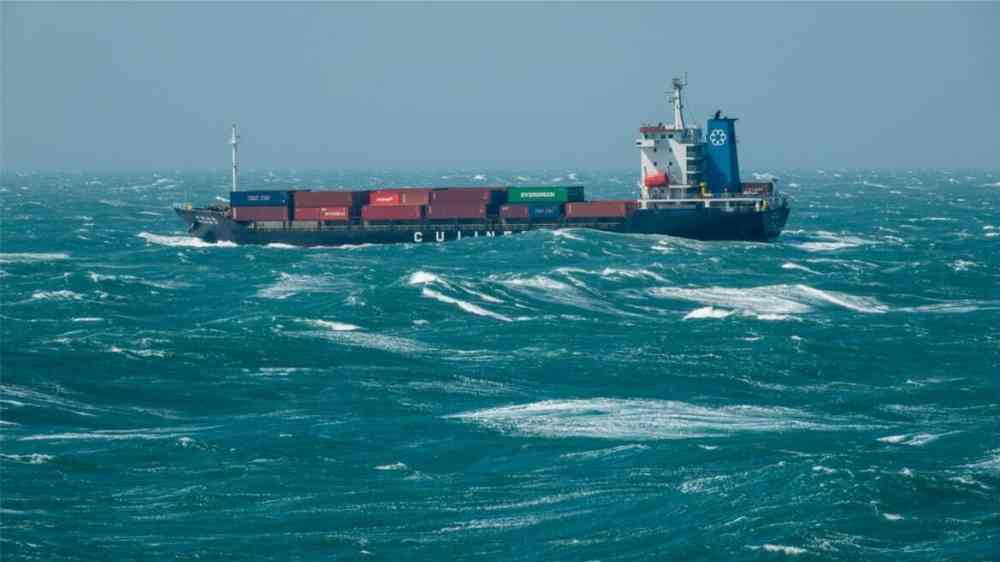
A cargo ship traverses rough seas off the coast of Shanghai
Research briefs

New research concludes that international trade may serve as an adaptation strategy to climate change.

Conversation Media Group, the
Relief workers distribute rice in a warehouse in the aftermath of Typhoon Haiyan
Research briefs

Humanitarian and development organization Oxfam Pilipinas urges local governments to shift from reactive spending to a proactive approach by utilizing local calamity funds effectively.

Oxfam International Secretariat