Research briefs

Keep up to date with the latest research on disaster risk and resilience on the PreventionWeb knowledge base.

Explore cutting-edge research on disaster risk reduction and resilience through PreventionWeb's dedicated research briefs section. Our platform curates and highlights the most recent academic studies, providing valuable insights into disaster risk management. Each research brief distills key findings from peer-reviewed journals and academic publications.

Submit a research brief.

These briefs are designed to keep you informed about the latest scientific advances. Links to the full publications are always included, ensuring easy access to in-depth knowledge. Please note that this section exclusively features academic research, distinct from reports by international organizations or Non-Governmental Organisations.

Uploaded on
Aerial picture of Greenland ice
Research briefs

Greenland’s ice melt may reach 964-1735 gigatons per year by 2100, raising sea levels by up to 1 meter. A research underscores the urgent need to cut emissions and protect millions in coastal regions from rising seas.

Université de Liège (ULiège)
Avian flu, veterinarians vaccinate against diseases in poultry such as chickens on farms,
Research briefs

Human cases in the US are on the rise and the virus is turning up in cows and dairy products. Luckily, we have some vaccines ready to go if needed.

MIT Technology Review
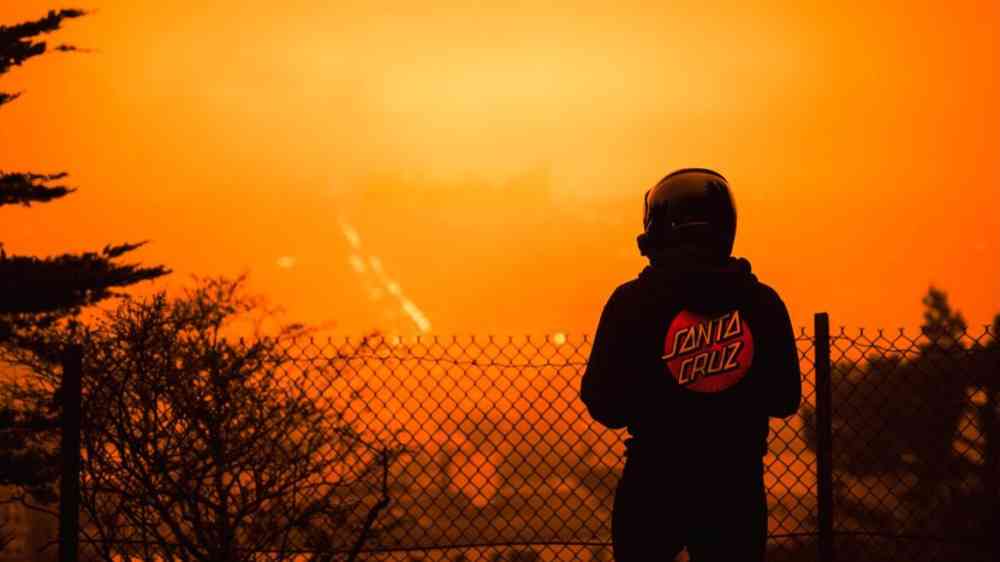
A man overlooks a wildfire visible from San Francisco under a hazy sky turned orange
Research briefs

A study published in The Lancet reveals more than 1.5 million people died globally from illnesses caused by exposure to pollution from wild/bush fires with geographic and socio-economic differences playing a role.

Monash University
Research briefs

Machine learning reveals how global warming and key climate drivers impact Australia's extreme weather, showing regional differences like flash floods in the east and droughts in the south. Traditional climate normals will need to change.

Conversation Media Group, the
Research briefs

A Google Earth discovery on Australia's Nullarbor Plain reveals an 11km tornado scar from 2022. Scientists confirms it as a strong F2/F3 tornado, showing the value of satellite imagery in studying remote weather events and preparing for future extremes.

Conversation Media Group, the
Research briefs

A study finds earthquake-triggered landslides differ in mobility, with smaller ones varying more and larger ones reducing mobility beyond a size threshold, challenging current risk models and urging new approaches.

Eos - AGU
Research briefs

Research shows people with disabilities face extra risks in crises. A new toolkit helps users prepare for crises like floods, fires, or isolation, addressing their specific medical care needs. Initial evaluations show positive outcomes.

Murdoch University
Research briefs

Research shows soil microbes respond uniquely to extreme weather, affecting carbon storage and ecosystems. Their survival strategies highlight the need for tailored climate policies and conservation efforts.

University of Manchester