Research briefs

Keep up to date with the latest research on disaster risk and resilience on the PreventionWeb knowledge base.

Explore cutting-edge research on disaster risk reduction and resilience through PreventionWeb's dedicated research briefs section. Our platform curates and highlights the most recent academic studies, providing valuable insights into disaster risk management. Each research brief distills key findings from peer-reviewed journals and academic publications.

Submit a research brief.

These briefs are designed to keep you informed about the latest scientific advances. Links to the full publications are always included, ensuring easy access to in-depth knowledge. Please note that this section exclusively features academic research, distinct from reports by international organizations or Non-Governmental Organisations.

Uploaded on
Research briefs

SLF researchers use satellite data to enhance models predicting snowmelt timing and location, improving flood warnings. Radar data refined snow cover models, reducing uncertainties, especially in complex terrains.

Swiss Federal Research Institute for Forest, Snow and Landscape Research (WSL)
Woman standing on a field holding organic vegetables.
Research briefs

A recent study has reported a novel breeding strategy to rapidly create climate-smart crops that show higher yield under normal conditions and greatly rescue yield losses under heat stress both in staple grain and vegetable crops.

Chinese Academy of Sciences
People ice skating on the frozen Oudegracht canal in Utrecht, the Netherlands.
Research briefs

As winter and spring temperatures rise, lake ice quality degrades. Researchers project fewer safe ice days, increasing risks of accidents and drowning due to weaker ice conditions.

York University
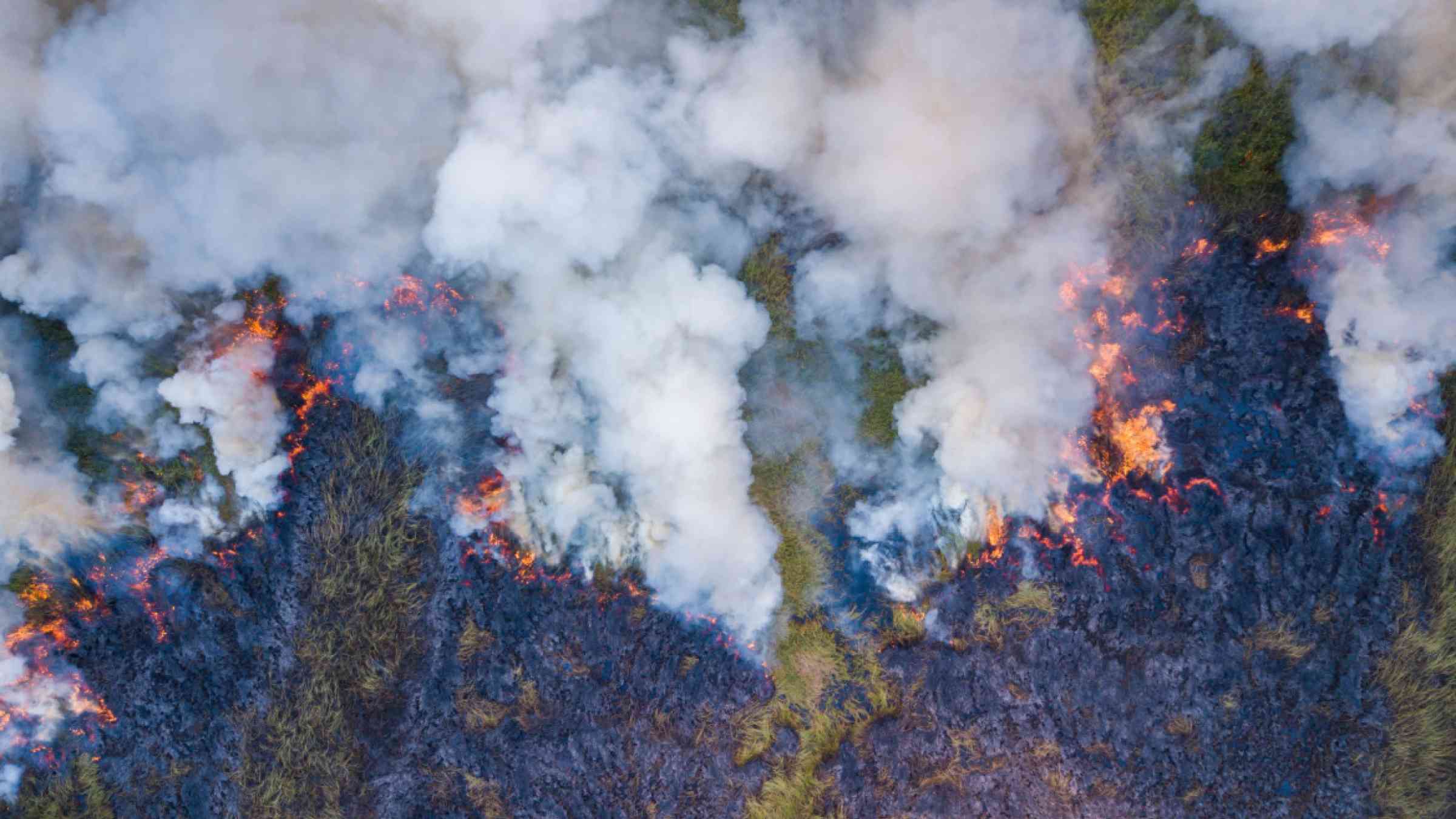
Aerial view of forest grass being burned
Research briefs

Using satellite images and data from fires, researchers have been able to demonstrate the relationship between the climatic phenomenon and the propensity for firesin the Amazon, creating a tool that could help with future prevention efforts.

São Paulo Research Foundation (Agência FAPESP)
Collapsed electric posts along the highway after Typhoon Haima
Research briefs

The clustering of storms in November in the Philippines, never before witnessed in the basin, affected more than 13 million people, destroying lives and livelihoods and putting enormous strain on resources and infrastructure.

World Weather Attribution
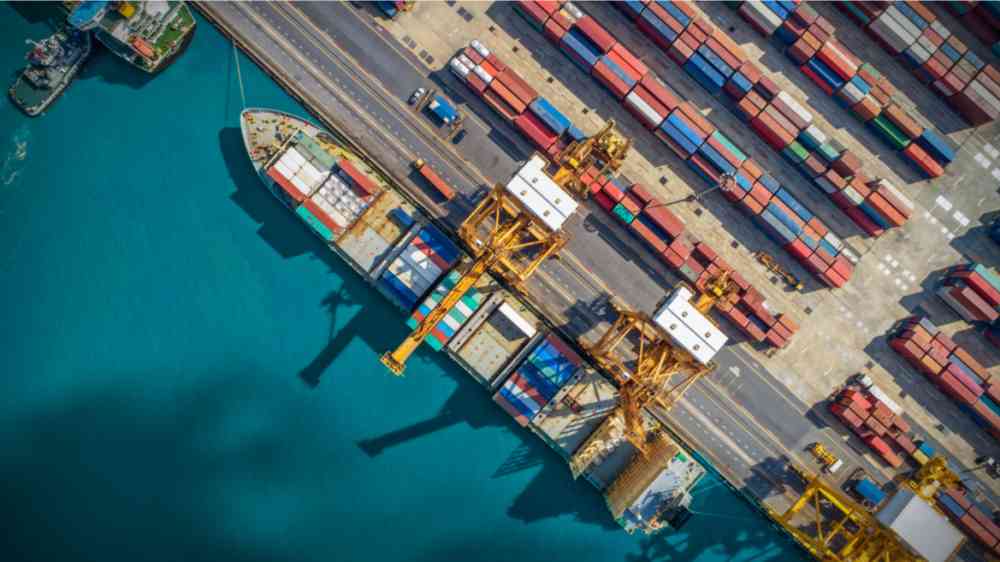
Logistics and transport of container ships and cargo aircraft with crane bridge in the shipyard
Research briefs

Port disruptions are very costly. A study found that a Manila Trench tsunami could damage up to 11 international seaports under present-day sea-level conditions and up to 15 ports by 2100. Port closures could last over 200 days in the worst scenarios.

Tohoku University 東北大学
Women working in an agricultural field in the outskirts of Samarkand, Uzbekistan
Research briefs

Scientists are working to breed drought- and heat-tolerance traits into common beans from tepary beans, which are native to the Sonoran Desert in Mexico and the U.S.

Yale Climate Connections
Seismograph
Research briefs

Scientists have a new method for studying faults that could improve earthquake forecasts, shedding light on where quakes start, how they spread, and where the biggest impacts might be.

University of California, Riverside