Research briefs

Keep up to date with the latest research on disaster risk and resilience on the PreventionWeb knowledge base.

Explore cutting-edge research on disaster risk reduction and resilience through PreventionWeb's dedicated research briefs section. Our platform curates and highlights the most recent academic studies, providing valuable insights into disaster risk management. Each research brief distills key findings from peer-reviewed journals and academic publications.

Submit a research brief.

These briefs are designed to keep you informed about the latest scientific advances. Links to the full publications are always included, ensuring easy access to in-depth knowledge. Please note that this section exclusively features academic research, distinct from reports by international organizations or Non-Governmental Organisations.

Uploaded on
Photograph of a mobile phone with cyclone moving towards the coast shown. The background is yellow with warning sign.
Research briefs

A new study from Tel Aviv University has found that the smartphones we all carry in our pockets could help collect weather data from the public to provide early warnings for extreme weather, such as wildfires.

Tel Aviv University
Research briefs

Researchers find a potential explanation for the unusually sudden temperature rise in 2023: reduced low-level cloud cover limits Earth’s ability to reflect solar radiation.

Alfred Wegener Institut
Mangroves and their roots
Research briefs

A new study shows mangroves provide $855 billion in flood protection services worldwide, defending coastal communities from floods, storm surges, and erosion, offering significant benefits to both people and national economies.

University of California, Santa Cruz
Research briefs

The iconic trees and shrubs of the Florida Everglades are under increased stress due to more frequent, intense hurricanes.

National Aeronautics and Space Administration (NASA)
Research briefs

Using cutting-edge technology, USC Dornsife scientists discovered how a deadly combination of factors led to disaster. They hope their research will help identify other regions vulnerable to similar flooding events.

University of Southern California
Women working in an agricultural field in the outskirts of Samarkand, Uzbekistan
Research briefs

Rising temperatures are drastically affecting the labor sector, with significant impacts on workers’ health and economic growth. A new study details how extreme heat is shaping the future of work in various sectors and regions around the world.

Centro Euro-Mediterraneo sui Cambiamenti Climatici (CMCC)
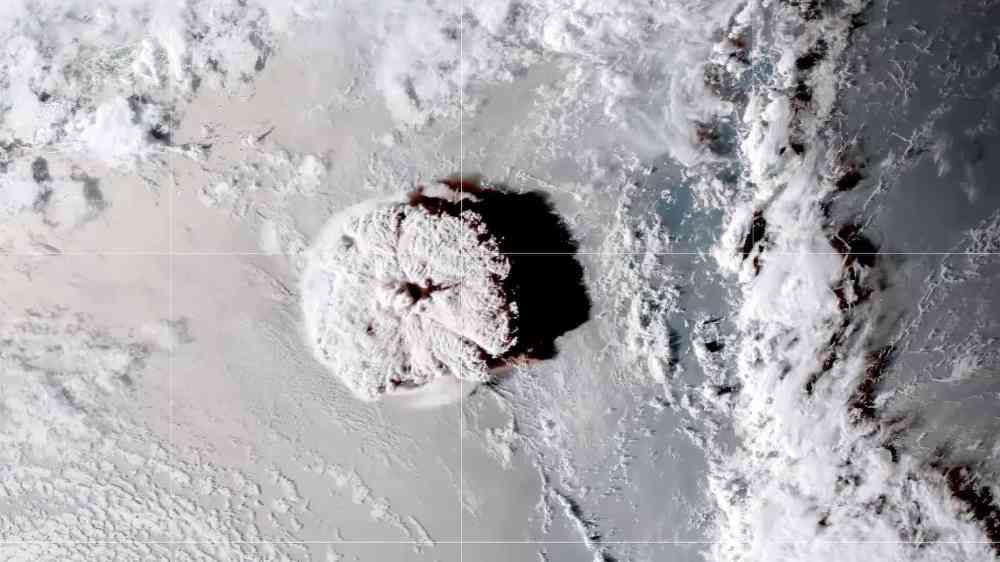
Tonga volcano satelite view
Research briefs

New Zealanders’ experiences during the Hunga Volcano’s eruption match seismic monitoring data.

Eos - AGU
Research briefs

A new analysis by the United Nations University Institute for Water, Environment, and Health (UNU-INWEH) reveals alarming statistics about the catastrophic impacts of Hurricane Helene on September 26, 2024.

United Nations University (UNU)