Research briefs

Keep up to date with the latest research on disaster risk and resilience on the PreventionWeb knowledge base.

Explore cutting-edge research on disaster risk reduction and resilience through PreventionWeb's dedicated research briefs section. Our platform curates and highlights the most recent academic studies, providing valuable insights into disaster risk management. Each research brief distills key findings from peer-reviewed journals and academic publications.

Submit a research brief.

These briefs are designed to keep you informed about the latest scientific advances. Links to the full publications are always included, ensuring easy access to in-depth knowledge. Please note that this section exclusively features academic research, distinct from reports by international organizations or Non-Governmental Organisations.
Uploaded on
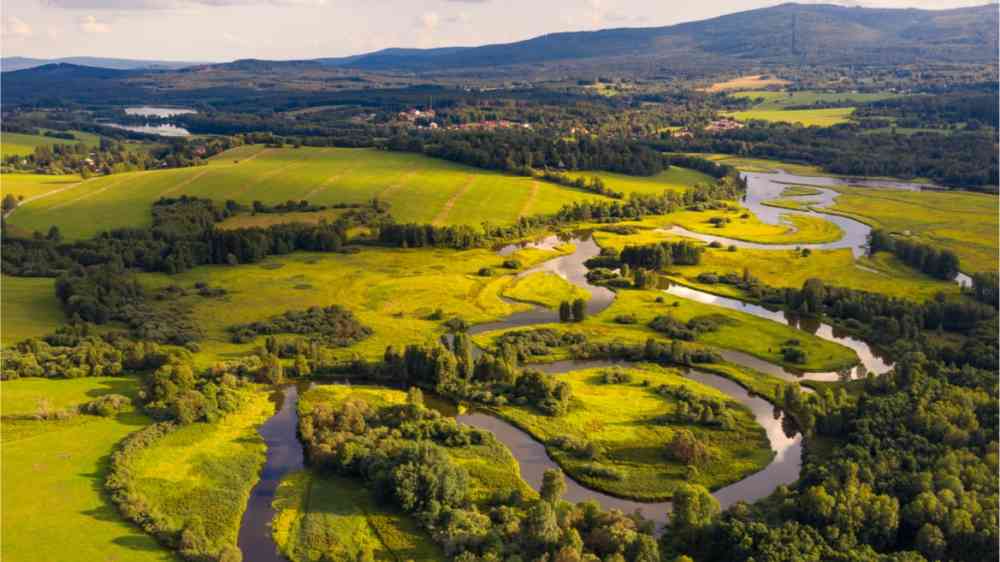
River flowing through green fields and hills.
Research briefs

Researchers from Tokyo Metropolitan University showed that agricultural land preserved around river confluences can help mitigate floods. They make a case for Eco-DRR, an approach that uses existing environmental resources to improve flood resilience.

Tokyo Metropolitan University 東京都立大学 
A farmer tends to his maize crop in Talquezal, Guatemala
Research briefs

An international team of researchers warns that without rapid changes to how we develop climate-resilient crops, we could face widespread food shortages leading to famine, mass migration, and global instability.

Boyce Thompson Institute (BTI)
Bangkok residents wade floods after heavy rains left the city inundated
Research briefs

In a new paper in the American Geophysical Union journal Earth’s Future, researchers at UC Irvine and the U.K.’s University of Bristol suggest that outdated “bathtub modeling” of flood risk is limited in its ability to capture six key factors.

University of California, Irvine
Student gets his head wet to beat the heat of scorching sun
Research briefs

A new study of mortality in Mexico shows that 75% of heat-related deaths are occurring among people under 35―a large percentage of them ages 18 to 35, or the very group that one might expect to be most resistant to heat.

Columbia Climate School
Research briefs

Researchers reviewed thousands of papers on green-blue-grey infrastructure and found that botanical gardens, wetlands, green walls, street trees, and vegetated balconies offered the most efficient air cooling benefits.

Climate Adaptation Platform (CAP)
Antarctica
Research briefs

The amount of sea ice in the Arctic region is declining at unprecedented rates, darker ocean waters will absorb more heat from the Sun, further increasing temperatures in the Arctic and globally. This leads to more extreme weather events around the world.

University of Colorado
Research briefs

Research published in Geophysical Research Letters, has highlighted a decline in rice quality in East Asia, coincident with changing temperatures.

PhysOrg, Omicron Technology Ltd
Research briefs

The overlapping effects of sea level rise, permafrost thaw subsidence, and erosion may lead to land loss in Arctic coastal regions that dwarfs the land loss from any single one of these climate hazards, scientists say.

Woods Hole Oceanographic Institution