Research briefs

Keep up to date with the latest research on disaster risk and resilience on the PreventionWeb knowledge base.

Explore cutting-edge research on disaster risk reduction and resilience through PreventionWeb's dedicated research briefs section. Our platform curates and highlights the most recent academic studies, providing valuable insights into disaster risk management. Each research brief distills key findings from peer-reviewed journals and academic publications.

Submit a research brief.

These briefs are designed to keep you informed about the latest scientific advances. Links to the full publications are always included, ensuring easy access to in-depth knowledge. Please note that this section exclusively features academic research, distinct from reports by international organizations or Non-Governmental Organisations.
Uploaded on
Research briefs

A combination of water management practices has contributed to notable groundwater gains in Central Arizona despite the region dealing with long-term water stress, according to a study.

The University of Texas at Austin
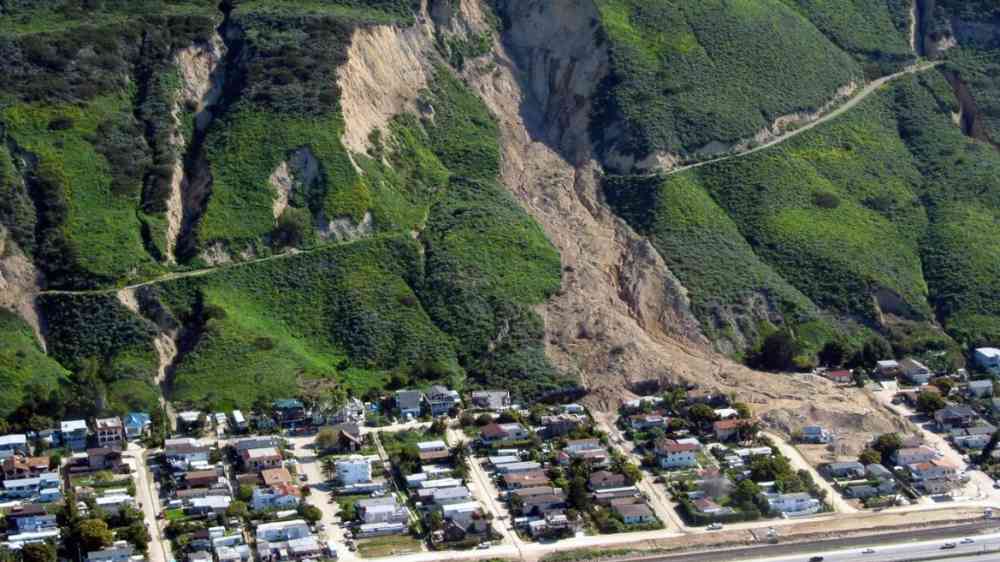
Rock and soil cover destroyed houses in La Conchita, California after a landslide tore through the community in 2005.
Research briefs

Researchers from the Leibniz Centre for Agricultural Landscape Research (ZALF), together with international partners, have developed a new framework that significantly improves landslide prediction using machine learning methods.

Leibniz Centre for Agricultural Landscape Research (ZALF)
Research briefs

A new study led by the Woods Hole Oceanographic Institution (WHOI) uses satellite data to help uncover what caused the deluges that hit Rio Grande do Sul in 2024 and examine how it impacted some of the state's most vulnerable residents.

Woods Hole Oceanographic Institution
Submarine telecommunication cable
Research briefs

Hydroacoustic signals captured by the world's international nuclear monitoring system suggest an underwater landslide may have broken communications cables and disrupted internet traffic in west African countries for several weeks in March 2024.

Seismological Society of America
Gold money coin with trading graph, financial investment concept can use as background
Research briefs

The damage climate change will inflict on the world’s economy is likely to have been massively underestimated, according to new research which accounts for the full global reach of extreme weather and its aftermath.

Conversation Media Group, the
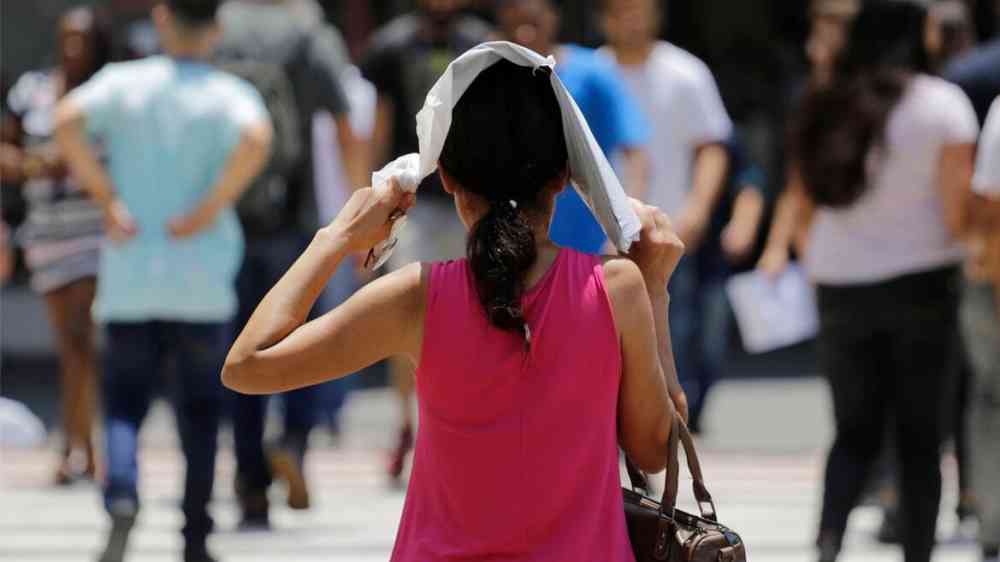
A woman protects herself from the hot sun in Sao Paulo, Brazil.
Research briefs

A study from the University of Ottawa’s Human and Environmental Physiology Research Unit (HEPRU) has confirmed that the limits for human thermoregulation—our ability to maintain a stable body temperature in extreme heat—are lower than previously thought.

University of Ottawa
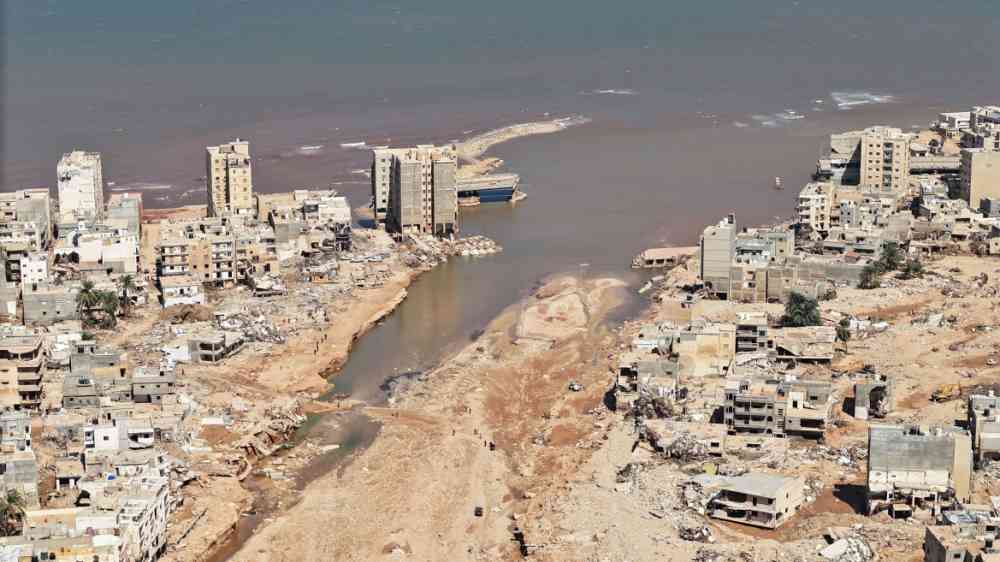
Aerial photograph of the damage provoked by the flooding in Derna, Libya (2023)
Research briefs

A new study reveals that the devastating 2023 flood in Derna, Libya, was not merely the result of extreme rainfall but was drastically intensified by a major design shortcoming and its resulting collapse of two embankment dams.

The Hebrew University of Jerusalem
Young girl walking on the street during floods in San Antonio de Areco, Buenos Aires, Argentina (2015)
Research briefs

In Northern Argentina intensified and more frequent extreme heat and heavy rainfall events as well as simultaneous or sequential extremes like heat-heavy rainfall or hot-dry events heighten the risk of compounding hydrometeorological hazards.

World Weather Attribution