Research briefs

Keep up to date with the latest research on disaster risk and resilience on the PreventionWeb knowledge base.

Explore cutting-edge research on disaster risk reduction and resilience through PreventionWeb's dedicated research briefs section. Our platform curates and highlights the most recent academic studies, providing valuable insights into disaster risk management. Each research brief distills key findings from peer-reviewed journals and academic publications.

Submit a research brief.

These briefs are designed to keep you informed about the latest scientific advances. Links to the full publications are always included, ensuring easy access to in-depth knowledge. Please note that this section exclusively features academic research, distinct from reports by international organizations or Non-Governmental Organisations.

Uploaded on
Research briefs

In the Arctic, permafrost plays a crucial role in building infrastructure. However, as the region warms and permafrost thaws, infrastructure is threatened as the ground shifts beneath the built environment.

University of Connecticut
Research briefs

30-meter sediment core from the “Great Blue Hole” in Belize provides longest recorded storm frequency data for the Atlantic.

Goethe University Frankfurt
Weeks of heavy monsoon rains flooded farmland and hundreds of villages along the Sutlej River in Pakistan and India in August 2023.
Research briefs

When we think about flood management, higher stop banks, stronger levees and concrete barriers usually come to mind. But what if the best solution - for people and nature - isn't to confine rivers, but to give them more space?

Conversation Media Group, the
An elderly man drinks from a water bottle on a hot day
Research briefs

Scientists have been testing how heat affects our hearts for years. But here's the thing: the most commonly used method might not provide much insight into what happens to the heart during heat waves.

University of Ottawa
Research briefs

A new AI weather prediction system, developed by researchers from the University of Cambridge, can deliver accurate forecasts tens of times faster and using thousands of times less computing power than current AI and physics-based forecasting systems.

University of Cambridge
Passengers on the street during winter storm.
Research briefs

Helping communities predict extreme weather events that have never been recorded in modern history is the focus of a new study published in Nature Communications.

University of Reading
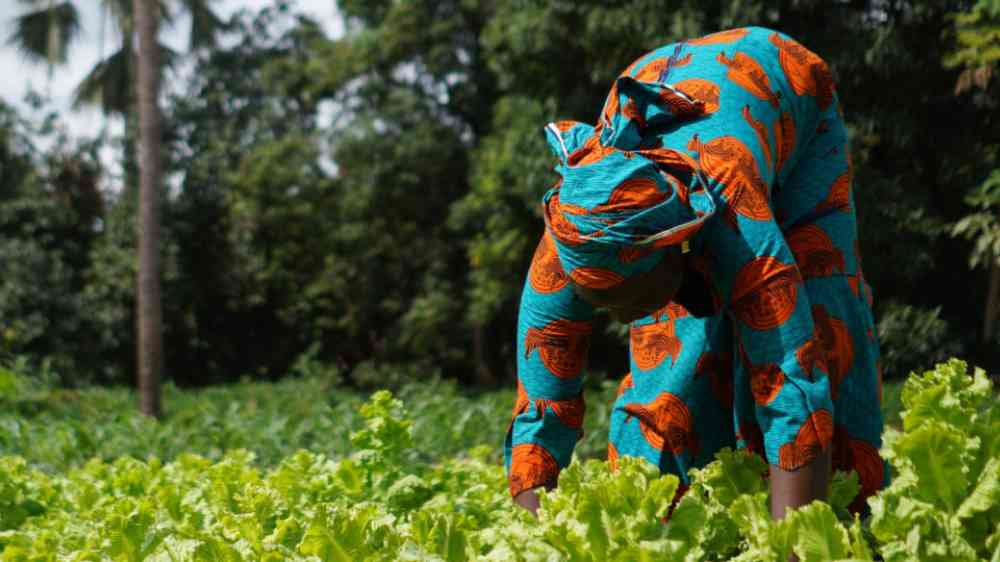
Two African women working at a salad plantation
Research briefs

More than half of global cropland areas could see a decline in the number of suitable crops under a warming scenario of 2C, new research finds.

Carbon Brief
Research briefs

New Zealand could face twice as many of the most extreme atmospheric rivers by the end of the century.

National Institute of Water & Atmospheric Research