
Resilience as climate justice: India’s fight against loss and damage
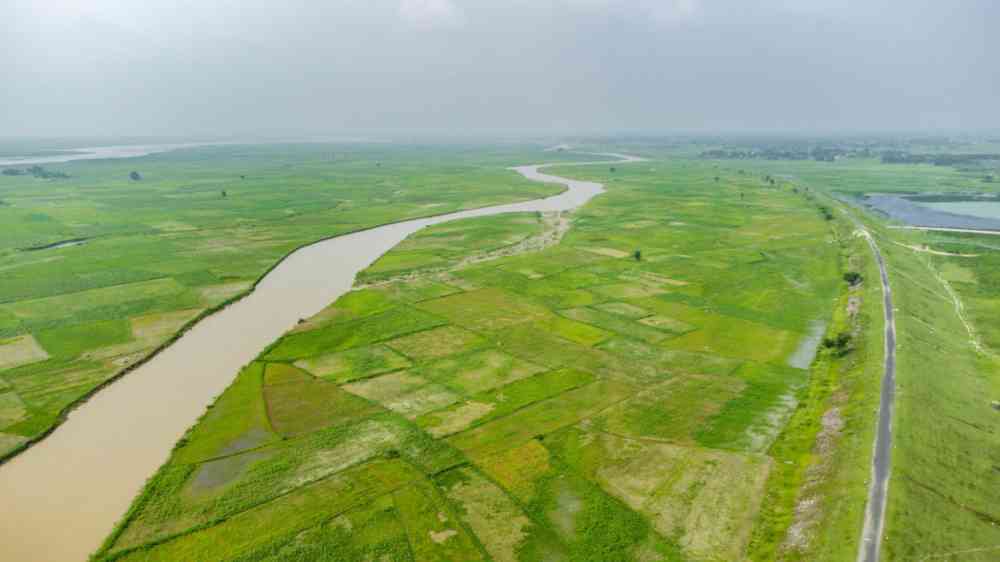
India, a leading voice for climate equity, faces escalating loss and damage from climate-induced disasters. In 2024 alone, floods, heatwaves, and glacial retreat displaced millions and caused significant hardship.
Yet one event stood out: despite record discharge from the Kosi River in Bihar, infrastructure measures prevented a full-scale flood—a powerful example of how resilience can reduce loss.
Crucially, India’s Union Budget 2024-25 allocates ₹11,500 crore (≈ USD 1.45 billion) specifically toward flood-control and irrigation projects in Bihar. This shows the potential of domestic investment aligned with global Loss & Damage priorities.
Understanding Loss & Damage
“Loss & Damage” describes climate impacts that exceed adaptation capabilities, including sudden disasters like floods and longer-term events like sea-level rise. Loss & Damage causes economic losses - damaged infrastructure, failed crops - and non-economic losses like displacement, loss of heritage, and health effects.
At COP27, the international community established the Response to Loss & Damage Fund, later operationalised at COP28. India strongly advocates that funding be grant-based, predictable, and directed to the most vulnerable.
India’s climate vulnerability
India ranks among the most climate-vulnerable countries globally:
- In 2022, climate-driven shocks slashed India's GDP by 8%.
- Over 56 million people have been displaced by climate events over the past 15 years.
- Heatwaves and glacial melt now threaten traditionally cooler northern regions.
Yet India is historically responsible for only ~3% of global cumulative CO₂ emissions, highlighting the moral imperative behind climate justice and Loss & Damage claims.
Bihar: the frontline of climate injustice
Bihar starkly illustrates domestic climate inequality:
- It is India’s poorest state, with the lowest Human Development Index (HDI) and low Sustainable Development Goals (SDG) Index scores in education, health, and livelihoods.
- More than 70% of North Bihar is flood‑prone, with the Kosi–Ganga basin regularly inundating communities.
- Climate shocks reduce household consumption, deepening poverty and food insecurity.
Smallholder farmers, landless labourers, Dalits and other marginalised communities, and women-led households are those who have contributed least to climate change - yet are the ones to bear the brunt of it.
Investment in resilience
In her July 2024 budget speech, Finance Minister Nirmala Sitharaman allocated ₹11,500 crore for flood control and irrigation projects in Bihar through the Accelerated Irrigation Benefit Programme and related initiatives.
This includes projects like the the Kosi–Mechi intrastate link, new barrages, river pollution control, and irrigation infrastructure – translating to roughly USD 1.45 billion (at an exchange rate of ₹79 per USD).
This investment aligns with international Loss & Damage goals, particularly in prevention and resilience building.
Averting disaster in practice: the Kosi River example
In September 2024, monsoon rains pushed the Kosi River to discharge 6.61 lakh cusecs (above 18 million litres/second) at the Birpur barrage - the highest recorded since 1968. Yet a catastrophe was avoided thanks to:
- Coordinated gate operation of all 56 sluice gates.
- Urgent reinforcement of embankments at weak points like Gopalpur and Bhimnagar.
- Early warning systems and timely evacuations by local and district authorities.
Though challenges remain - uneven relief distribution and fragile embankments - the outcome was no major breaches, fatalities, or mass displacement. This highlights the power of proactive infrastructure in averting Loss & Damage.
Policy recommendations
- Invest in resilient infrastructure to prevent Loss & Damage: Bihar’s example shows that well-funded, maintained infrastructure yields significant returns by avoiding loss. Priority should be given to vulnerable states like Bihar, Assam, and Uttarakhand.
- Expand focus to agrifood system resilience: Agrifood systems underpin rural livelihoods. Loss & Damage strategies must support climate-smart agriculture, diversified cropping, digital tools, and smallholder parametric insurance.
- Integrate Loss & Damage into state-level planning: State Action Plans on Climate Change (SAPCCs) should include Loss & Damage indicators, prioritise non-economic losses, and fund resilience and infrastructure upgrades - especially in flood-prone districts.
Linking domestic action and global climate justice
As the response to Loss and Damage Fund scales up globally, priority must be given to:
- Grant-based, predictable financing
- Inclusive governance of the Fund
- Financing models tailored to local vulnerabilities
Within Bihar, needs and program allocations should be mapped to leverage domestic and international climate finance, ensuring that funds reach the most vulnerable hotspots.
Resilience as justice
The 2024 Kosi River episode illustrates that loss and damage can be averted, and that investment pays dividends - not just economically, but also in protecting human rights, dignity, and stability.
India’s Loss & Damage strategy must combine global advocacy with targeted national action. Budget 2024’s ₹11,500 crore allocation is a strong start, but effective implementation and climate justice framing remain crucial.
Ultimately, resilience is justice. Domestically and internationally, India aligns policy, funding, and global leadership to protect its most vulnerable populations and define what real climate justice truly means in practice.