Poorly planned urban development
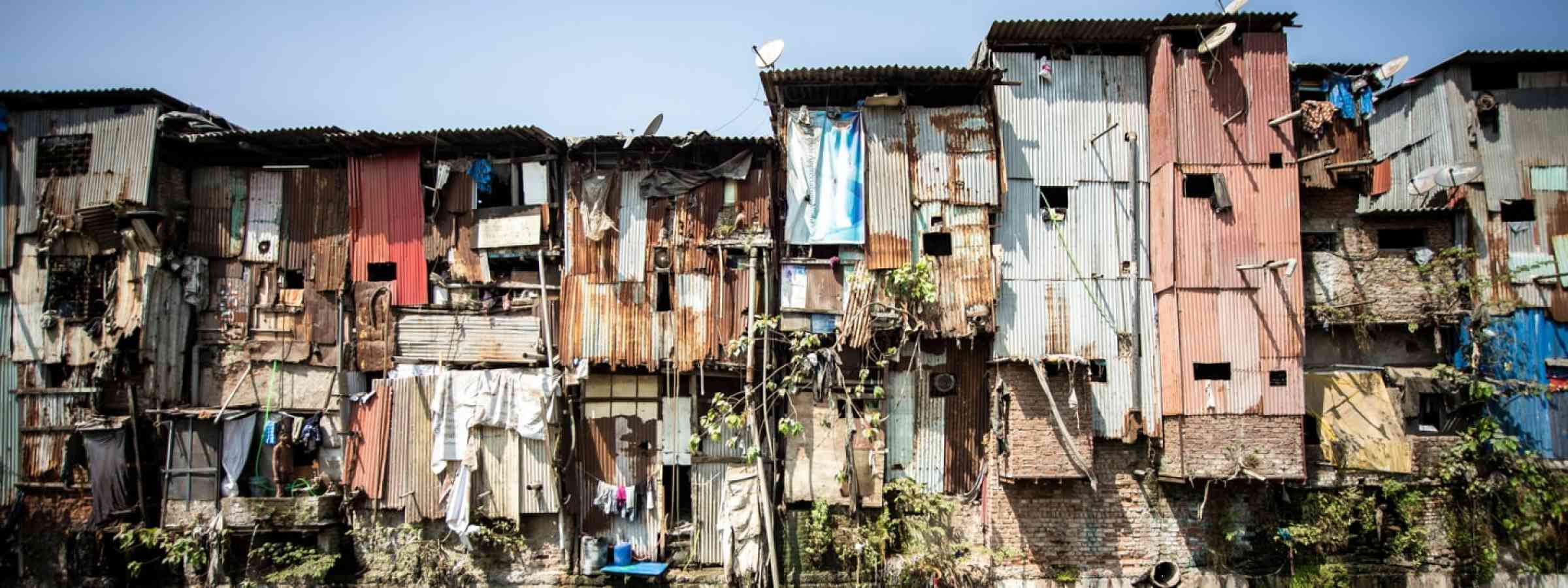
A wave of urbanisation is unfolding in hazard-exposed countries and with it, new opportunities for resilient investment emerge.
People, poverty and disaster risk are increasingly concentrated in cities. The growing rate of urbanisation and the increase in population density (in cities) can lead to creation of risk, especially when urbanisation is rapid, poorly planned and occurring in a context of widespread poverty. Growing concentrations of people and economic activities in many cities are seen to overlap with areas of high-risk exposure.
UNEP
EGU
PwC
How urban development drives risk
City regions are becoming increasingly exposed to new and intensifying hazards
Urban development and hazards, exposure and vulnerability are closely linked, and poorly planned and managed urban development has generated new hazards and extensive risk:
Urban development and hazards
Urban development can change the environment or ecosystem through, for instance, the expansion of paved, impermeable areas, which prevent rain from being absorbed by the soil thereby increasing flood hazard, particularly in low-lying areas. Poor solid waste management can cause blockage to storm water and sewage networks that can lead to waterlogging and flooding. Destruction or damage to infrastructure can lead to water scarcity or contamination.
Urban development and exposure
The growing concentration of people and assets in high-hazard areas, along with the marginalisation of the urban poor in particularly unsafe areas drives exposure. This also means disasters are affecting more urban dwellers with increasingly harmful consequences for employment, housing and critical infrastructure, such as roads, power and water supplies. Economic or political reasons for city expansion often outweigh considerations of risk.
Urban development and vulnerability
Weak regulation, for instance the lack of enforcement of building codes, planning permission and regulatory investment, often linked to corruption, allow the transfer of risk from construction companies to those who live and work in the buildings. The most vulnerable groups, typically living in poverty, tend to settle and build homes in unsafe (informal) locations and are without adequate provision of infrastructure and critical services.
Urbanisation mirrors economic growth, so rapid urban development contributes to the concentration of people and assets in hazardous locations, including tropical cyclone and tsunami-prone coastlines and river basins. However, in many cities and countries that have successfully attracted economic investment, investment in disaster risk reduction and the capacities to implement have often lagged behind. As a consequence, new patterns of intensive risk have
As cities grow wealthier, investments in infrastructure and services tend to reduce extensive risks. By contrast, in most low and middle-income countries, urban development is driving new patterns of both extensive and intensive risk, particularly in informal settlements, along with high levels of environmental degradation. Urban development in these countries is socially segregated, characterised by unequal access to urban areas, infrastructure, services and security. Low-income households in particular are often forced to occupy exposed areas with low land values, with deficient or non-existent infrastructure and social protection, and high levels of environmental degradation. The result is a pattern of spatially and socially segregated disaster risk.
Historically, much urban growth in low and middle-income countries has occurred through informal mechanisms of land acquisition, building and infrastructure provision. Urban informality, both in the informal economy and in informal settlements is often associated with low pay and high exposure to environmental hazards. Mortality and extensive risks are consequently disproportionally concentrated in low and middle-income countries. However, the living and working conditions of those in the informal sector find themselves to reflect broader issues of poverty and inequality. Likewise, growth in informal settlements is not so much related to a rate of a city’s population growth, but instead to the quality of governance.
Because urban development has a direct influence on environmental degradation, which in turn exacerbates hazards and vulnerability, strategies for building resilience include investment in drainage and water management and the prevention of development in low-lying areas. Ensuring these strategies are implemented in turn relies on good urban and local governance. Although greater progress has been made in adapting cities to climate change than reducing disaster risk, these efforts have given rise to innovative urban practices with risk reduction benefits.
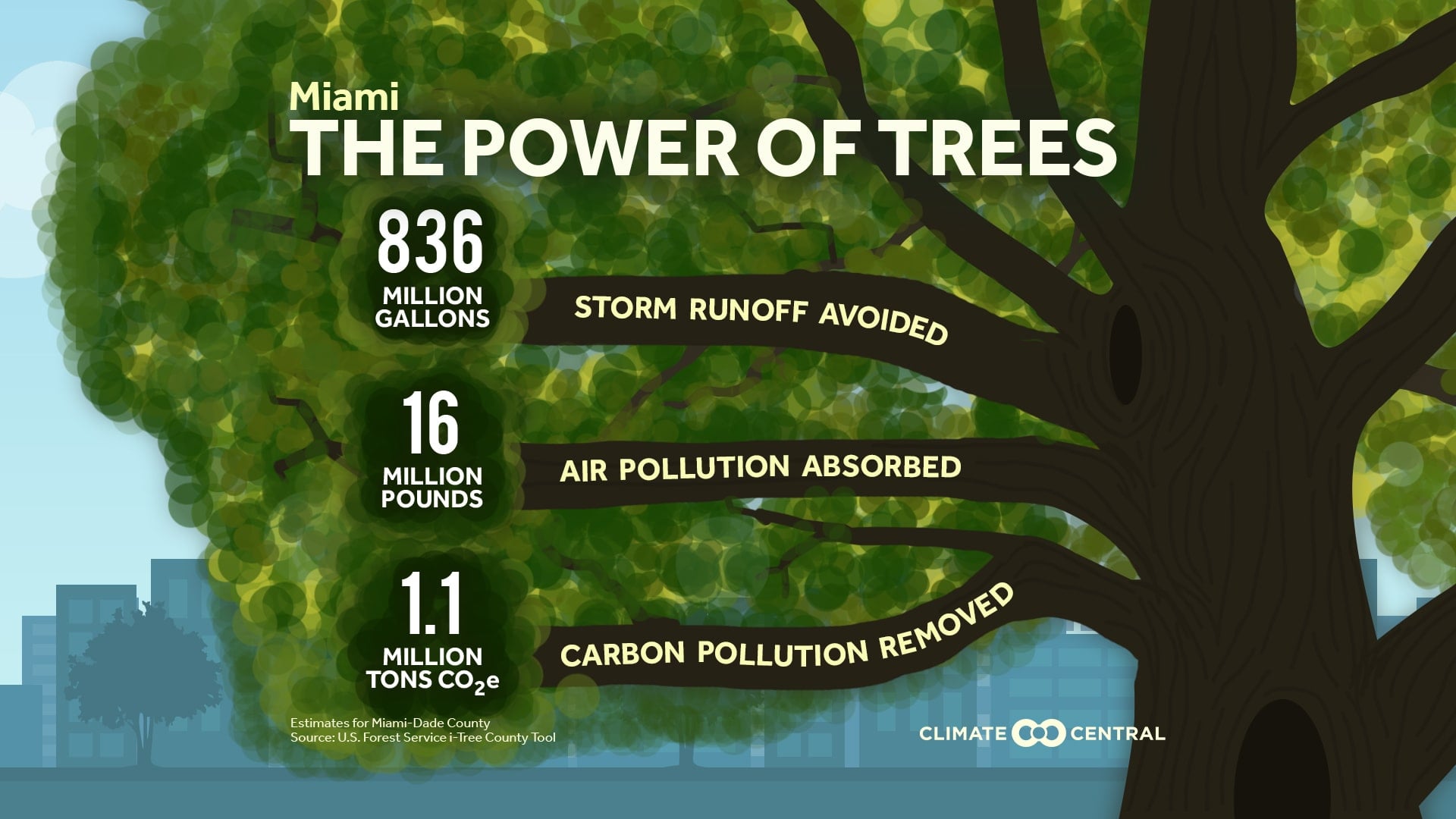
Urban forests—the trees in cities and surrounding communities—and other greenspaces can help cities adapt to climate change. The illustration on the left shows the benefits generated by trees in the city of Miami, Florida, USA. See results, provided by Climate Central, for more cities here.
Opportunities
for building resilience
Rapid urban development may increase disaster risk to unsustainable levels. It is highly likely that new urban growth in South Asia, sub-Saharan Africa and other regions will magnify and exacerbate disaster risk. But as a new wave of urbanisation unfolds in exposed countries, so too do new opportunities for building resilience.
As a formal business sector, urban development involves a range of stakeholders from landowners, to investors, insurance companies, utility providers and regulators. Within urban development, there are a number of opportunities reducing risk from pre-project design (design of brief and site), pre-construction (developing proposals, tender documentation and procurement) to post-completion (including operation and maintenance). Whether decisions are taken to reduce risk reflects the stakeholders involved and the influence on their actions, including risk awareness.
Building codes, zoning and land-use planning have been central to addressing existing urban risk and the accumulation of new urban risk.
Approaches for lessening and managing disaster risk in urban development include:
The ten essentials for Making Cities Resilient
The United Nations Office for Disaster Risk Reduction (UNDRR) addresses potential urban systems' failures directly through The Ten Essentials for Making Cities Resilient, an operational framework designed to integrate disaster risk reduction (DRR) into local governance.
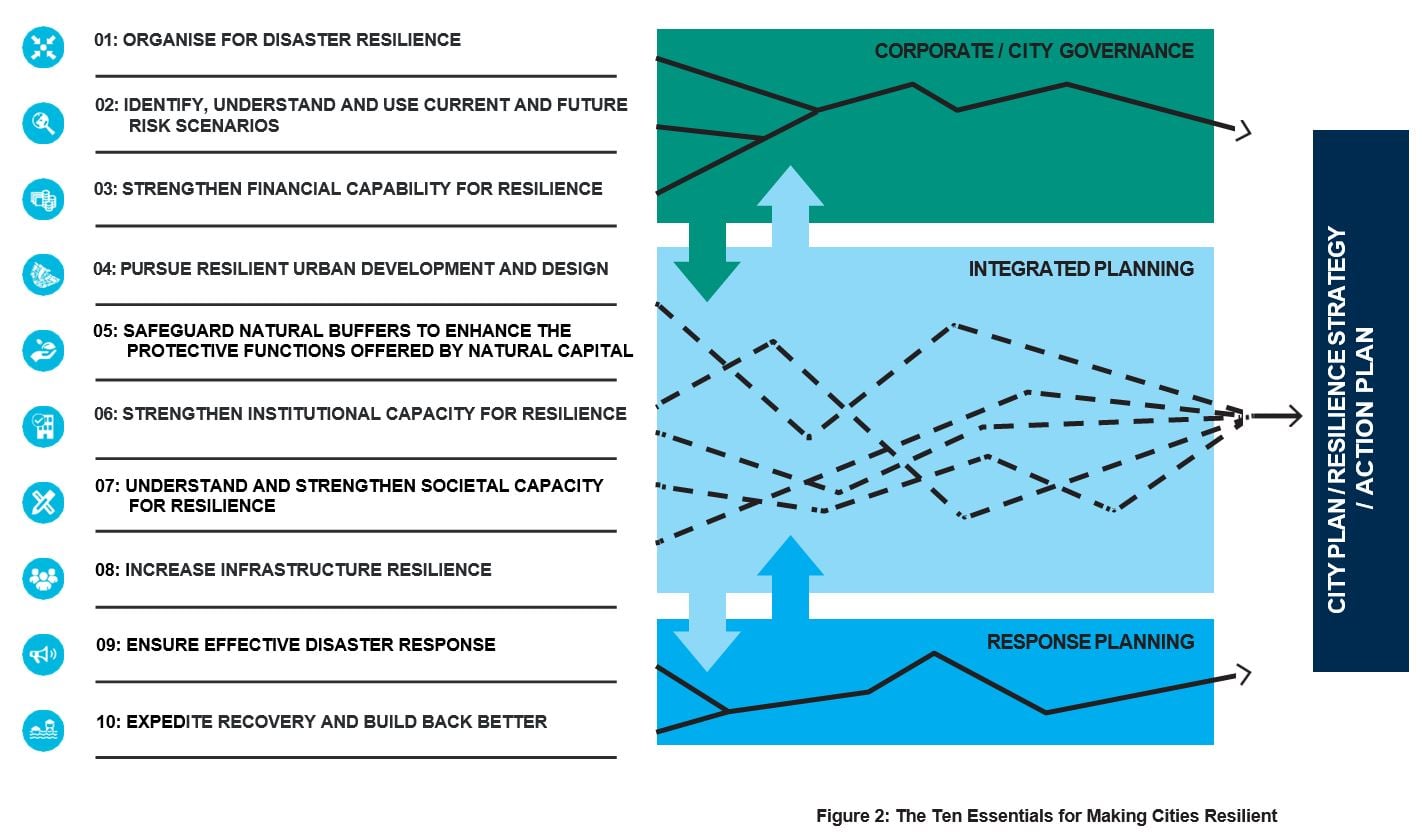
In contexts where poor planning has already escalated risk—such as the proliferation of non-engineered buildings on unstable slopes or the degradation of natural drainage systems—the Ten Essentials offer a structured roadmap to halt the creation of new risks and systematically upgrade existing urban vulnerabilities:
- Organise for disaster resilience
- Identify, understand, and use current and future risk scenarios
- Strengthen financial capacity for resilience
- Pursue resilient urban development and design
- Safeguard natural buffers to enhance the protective functions offered by natural ecosystems
- Strengthen institutional capacity for resilience
- Understand and strengthen societal capacity for resilience
- Increase infrastructure resilience
- Ensure effective preparedness and disaster response
- Expedite recovery and build back better
Integration of hazard risk into urban plans
Hydrometeorological hazards
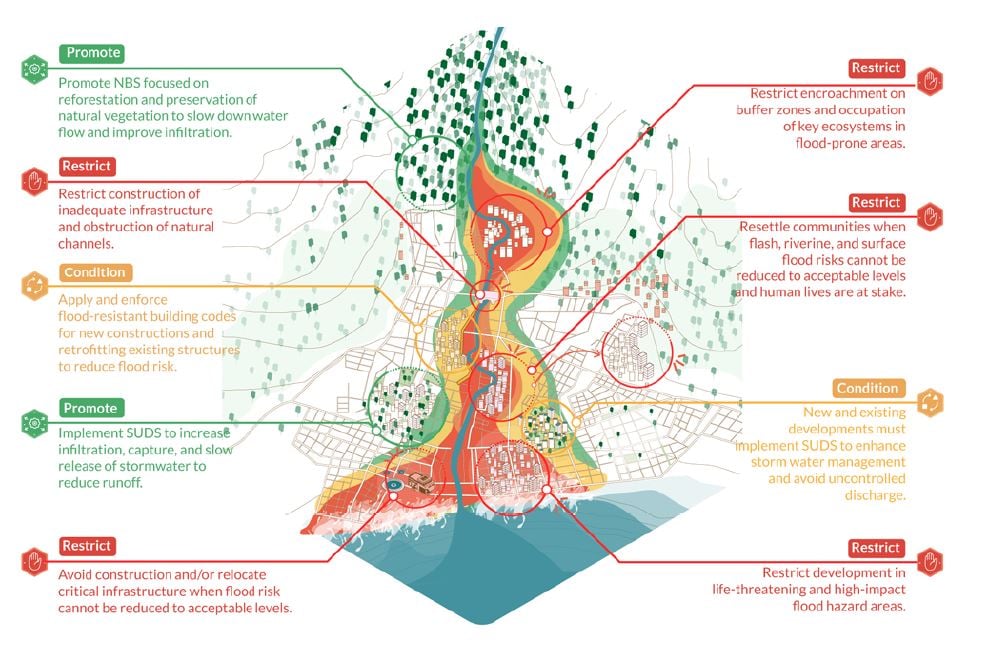
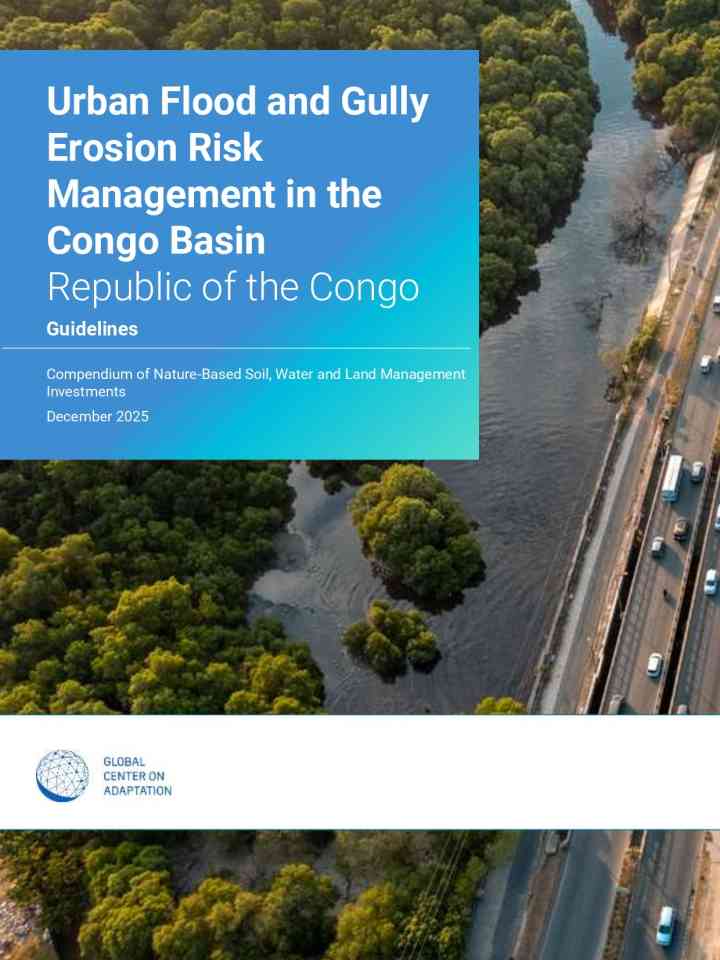
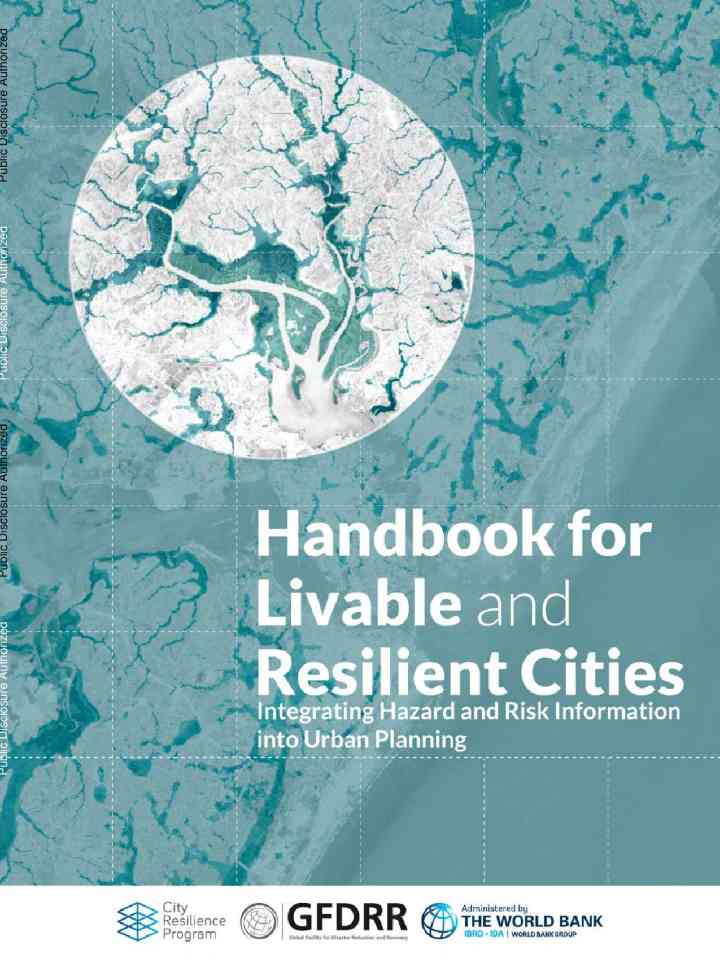
Hydrometeorological hazards, particularly floods, pose growing risks to cities as rapid urbanisation, inadequate drainage, land-use change and the loss of natural water systems increase exposure and vulnerability. The handbook examines flash, pluvial, riverine and coastal flooding, highlighting how each requires tailored risk-informed planning measures. Cities can reduce current and future flood risk by integrating hazard and risk assessments into land-use decisions, restricting or conditioning development in flood-prone areas, strengthening drainage and resilient infrastructure, and using nature-based solutions to improve water retention and infiltration.
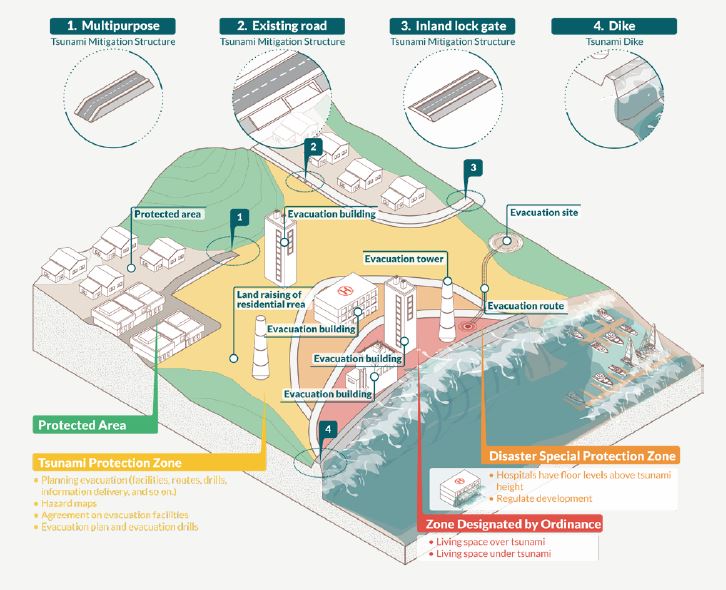
Geohazards
Geohazards, including landslides and other mass movements, earthquakes, tsunamis and volcanic activity, can pose severe risks to urban populations and infrastructure, with unplanned development and human modification of the environment often increasing exposure and vulnerability. Integrating hazard and risk assessments into land-use planning, zoning and infrastructure decisions is particularly crucial to guide development away from areas where risk is unacceptably high and apply appropriate safeguards where risks can be reduced. Measures range from slope stabilisation, improved drainage and nature-based solutions to seismic building standards, structural retrofitting, protective infrastructure and restrictions on development in tsunami or volcanic hazard zones.
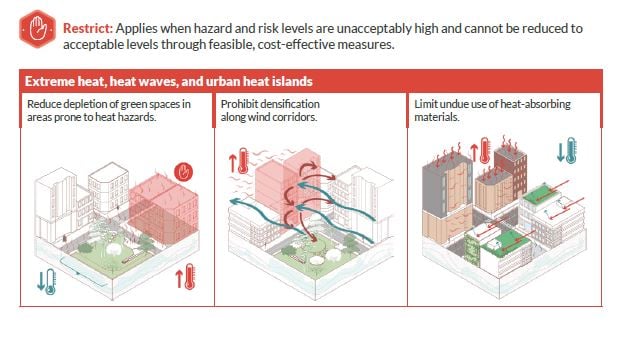
Climatological hazards
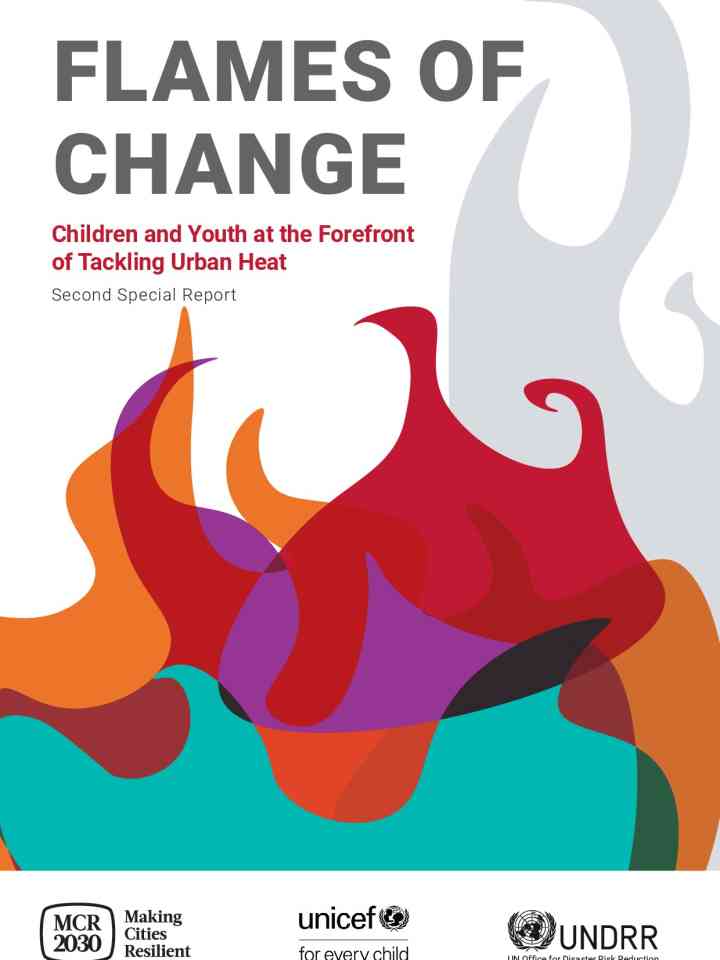
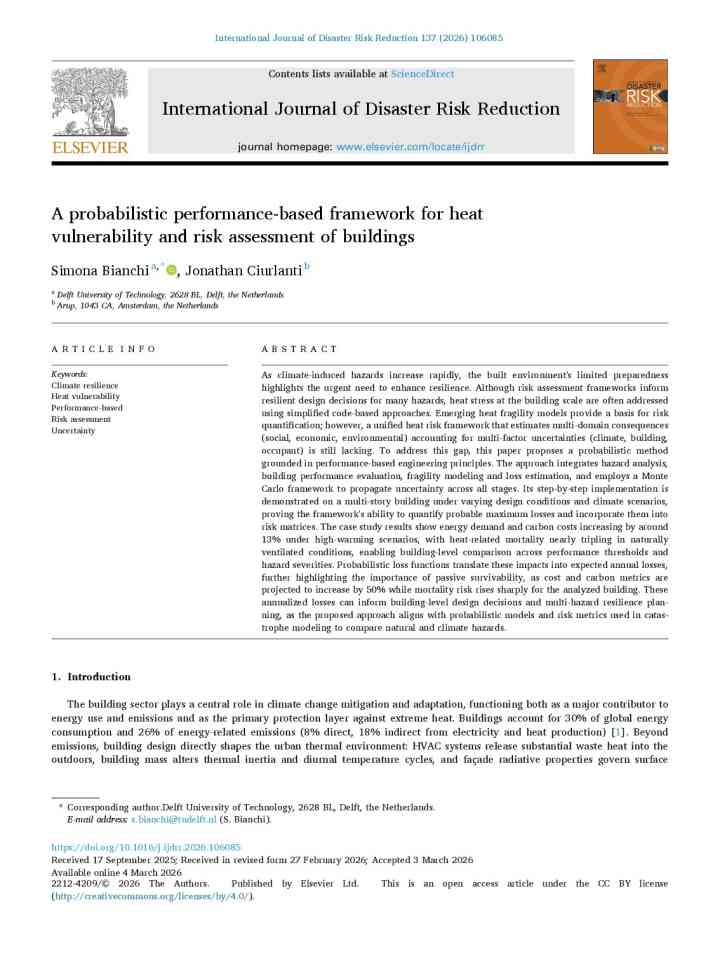
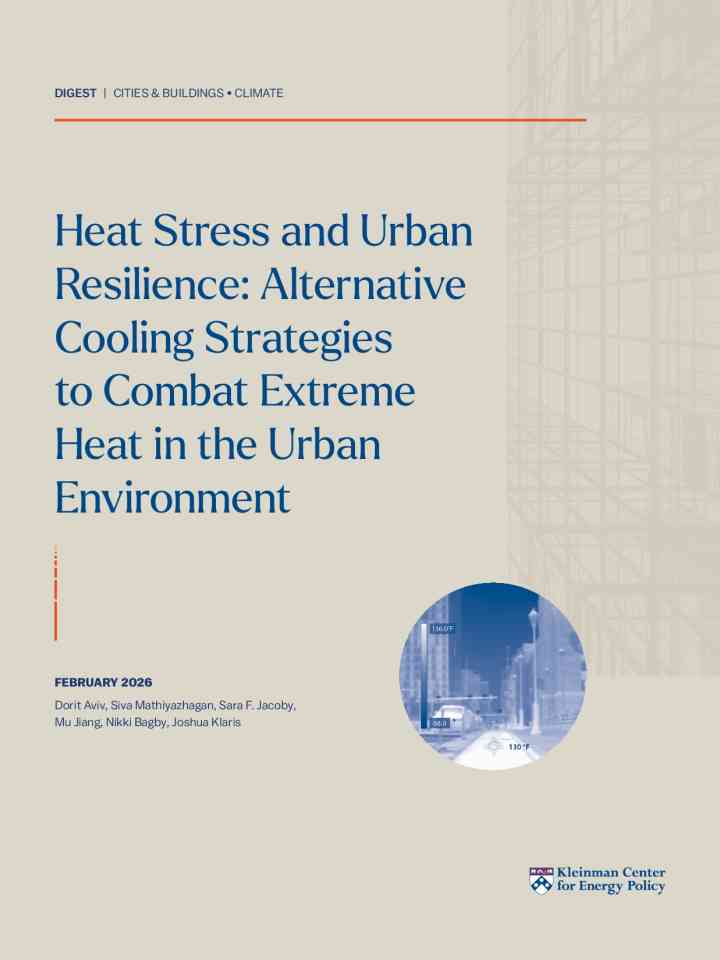
Climatological hazards, including extreme heat, urban droughts and wildfires, are increasingly affecting cities as climate change, rapid urbanisation and changing land-use patterns amplify existing vulnerabilities. Unlike sudden-onset hazards, climatological hazards often develop gradually, producing cumulative impacts on human health, ecosystems, economies and urban systems. Factors such as the urban heat island effect, reduced green spaces, inefficient water management and expansion into fire-prone areas increase exposure and risk. Integrating climate risk information into urban planning through measures such as heat and wildfire risk mapping, green infrastructure, sustainable water management, climate-sensitive land-use regulations, resilient building practices and improved early warning and response systems are of particular importance.
Integrating climate change adaptation and disaster risk management
The combined challenges of urbanisation, climate change and disaster risk require cities to move beyond reactive measures towards proactive, integrated and sustainable planning.
Risk-informed urban planning can help cities manage their exposure to hazards while advancing long-term resilience and sustainability. However, building resilient cities requires more than policies and technical solutions. It depends on sustained commitment and collaboration between governments, urban planners, climate change adaptation and disaster risk reduction experts, communities and other stakeholders.
Key priorities for more resilient and liveable cities include:
- Harnessing urbanisation as a driver of resilience.
- Recognising the practical and often low-cost benefits of risk-informed urban planning.
- Integrating climate, hazard and risk information into the development and implementation of urban plans through long-term vision, political commitment and citizen engagement.
- Ensuring urban plans are flexible and can adapt to changing risks and conditions.
- Strengthening local capacities, assessing city-specific hazards and risks, and developing tailored risk-informed planning measures.
Integrating climate and disaster risk into planning and decision-making also requires a shift from prioritising short-term gains to building long-term resilience. Urban growth must be managed with foresight, inclusion and environmental sustainability at its core.
Policymakers have a key role in adopting and enforcing regulatory frameworks that integrate disaster risk prevention and reduction into urban planning.
Planners and practitioners must use data, innovation and participatory approaches to align development with resilience objectives.
At the same time, communities must be actively involved in shaping their cities. Their knowledge and priorities should inform decisions that affect their lives and their future.
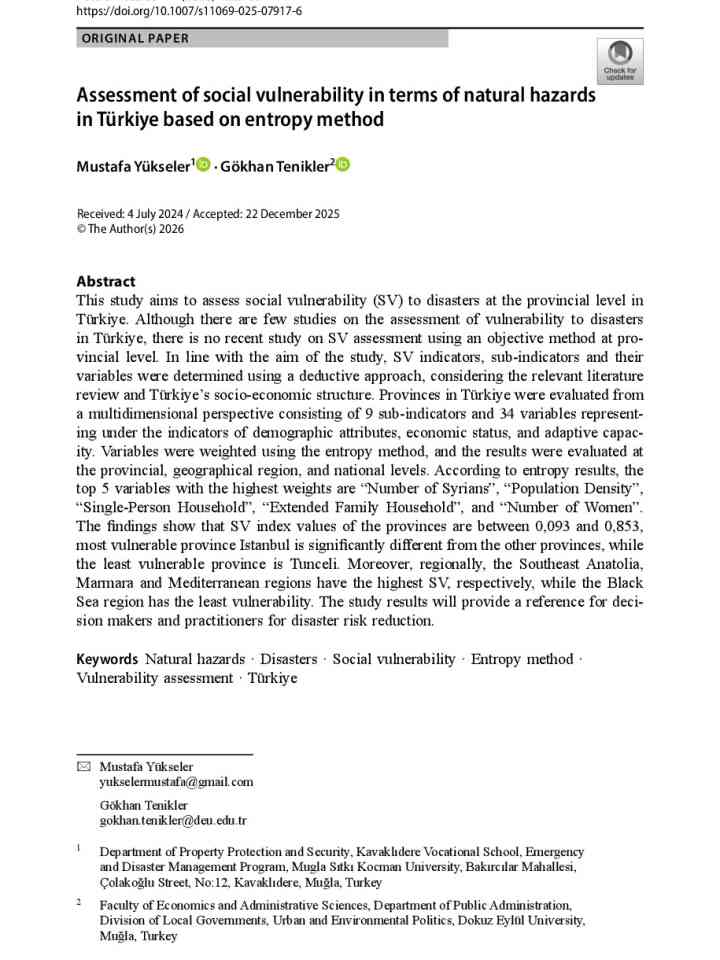
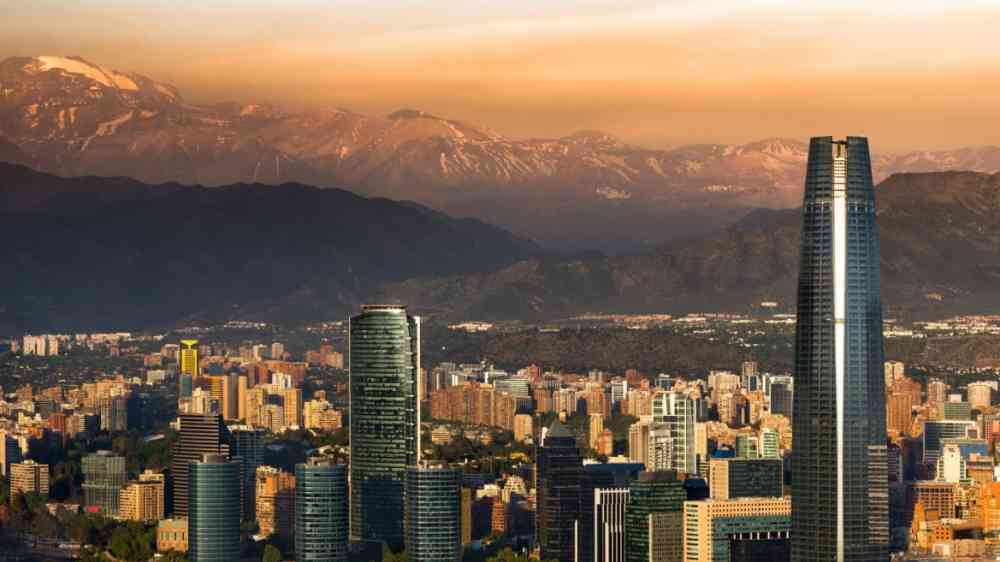
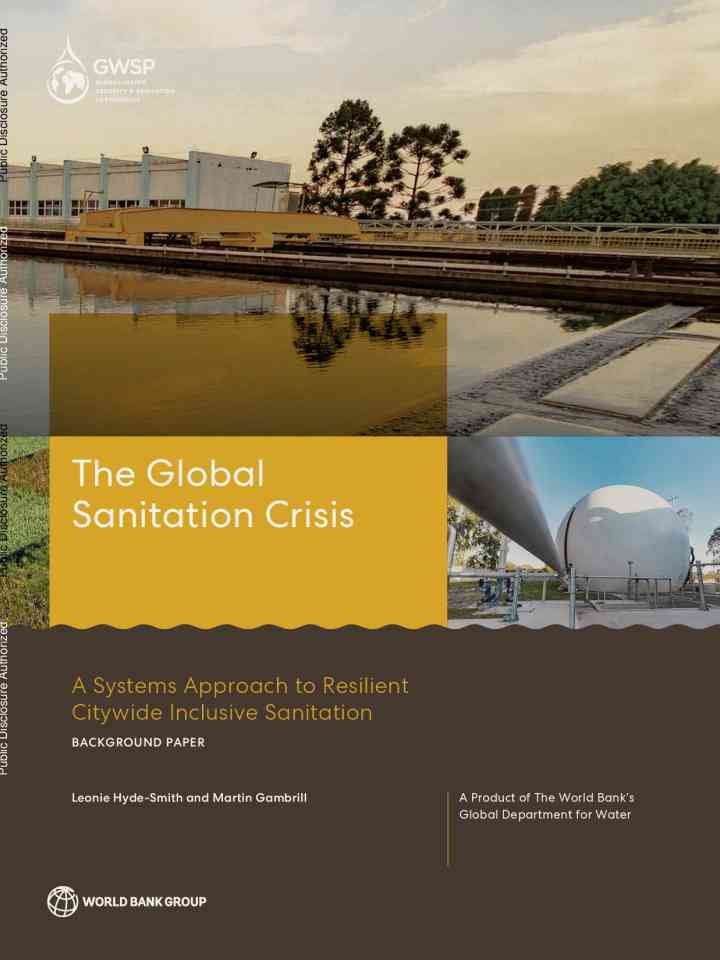
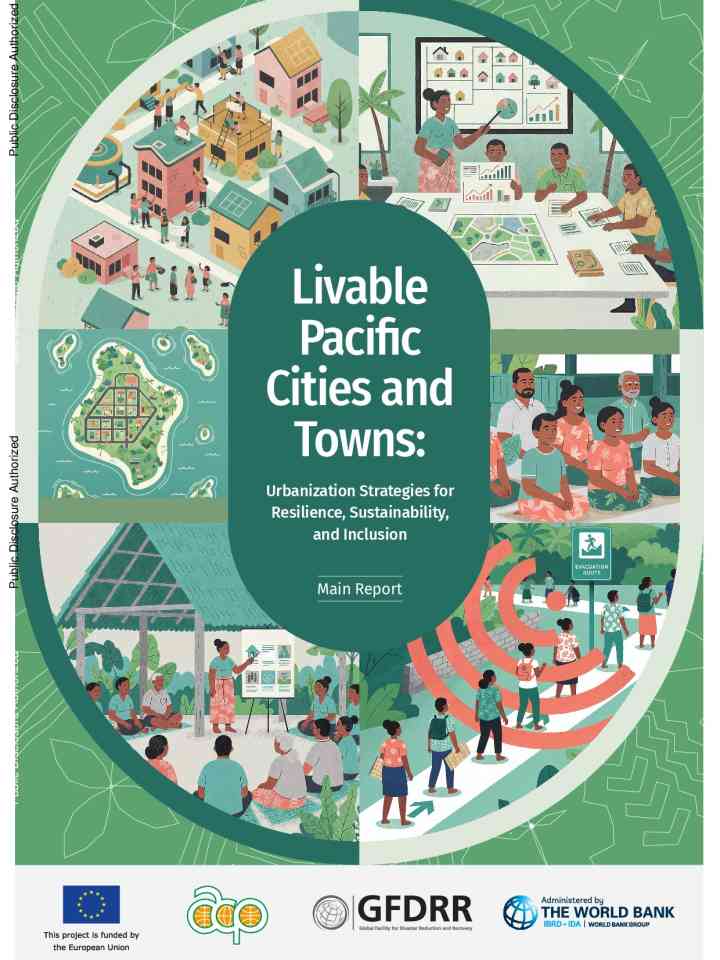
Discover urban solutions and good practices








Closing the gap
on resilience financing and development
Infrastructure investments at the scale required to meet sustainable economic and development goals will increasingly rely on private sector engagement, particularly in low-income countries where the infrastructure needs cannot be met through public expenditure.
Incentives for private urban developers to invest in disaster risk management initiatives already exist. For instance, developers who own and or manage buildings after construction will have a vested interest in protecting profits from losses, including those associated with disasters. Green building is increasingly being mainstreamed in cities' efforts to develop more socially and environmentally sustainable living spaces. Real estate developers increasingly market aspects such as energy-efficiency, social space and low environmental impacts as factors of competitiveness.
Resilient urban development requires including and cooperating with both formal and informal sectors.
In many low and middle-income countries, the informal sector accounts for a significant proportion of many urban areas and therefore engaging, including and cooperating with those involved in the informal economy and living in informal settlements is essential to building resilience. The informal economy is growing and how it evolves will be critical to the possibilities of a transition to a more inclusive, resilient and green economy. The challenge is to improve upon the existing informal economy — initiatives should look to encourage those segments of the informal sector that promote inclusion or provide urban resilience and green public benefits, such as well-run water vending. Many governments now have policy frameworks in place to upgrade and regularise informal settlements, which may include the installation of risk-reducing infrastructure such as drainage and slope stabilisation. In other contexts, policy still focuses on eradication or relocation, which may further exacerbate risks and vulnerabilities.
Resilient urban development goes hand in hand with poverty and inequality reduction, environmental management and climate change adaptation.
Governance is the strongest lever
for addressing urban risk
Higher-income countries and some larger cities in middle-income countries have made sound progress in building risk sensitive urban development.
Some of the most promising developments in recent years are cases where cities have regained control of their planning and management and strengthened their urban governance through innovative partnerships among local governments, households, and communities. Over 2000 cities have signed up to the UNDRR's Making Cities Resilient Initiative.
Urban and local governance influences not only how and where cities develop, but in particular, whether the urban poor have access to safe land, housing and the essential infrastructure and services required to live in security. Many low and middle-income countries have lacked the capacities to plan and manage urban development in an appropriate and risk-sensitive way, in particular in small urban centres. As a consequence, urban disaster risks have grown at a faster rate than they have been reduced. However, in all income geographies, there exist notable exceptions of well-governed cities that have managed to provide infrastructure and services for their populations.
Videos: How cities get this right or wrong
In this video, UNDRR introduces The Words into Action Guide: Implementation Guide for Land Use and Urban Planning.
Crowded, built up and hot. Cities often trap heat and become much hotter than their surrounding areas, a phenomenon called the “urban heat island”.
Geneva’s Praille Acacias Vernets (PAV) project is a bold example of how cities can rethink urban spaces for a changing climate.
What are 𝘀𝘂𝘀𝘁𝗮𝗶𝗻𝗮𝗯𝗹𝗲 𝗰𝗶𝘁𝗶𝗲𝘀 & how are these related to the Sustainable Development Goals (SDGs)?
Explore more about urban risk and planning
Last updated: July 2026