Managing the risks of wildfire smoke

Introduction
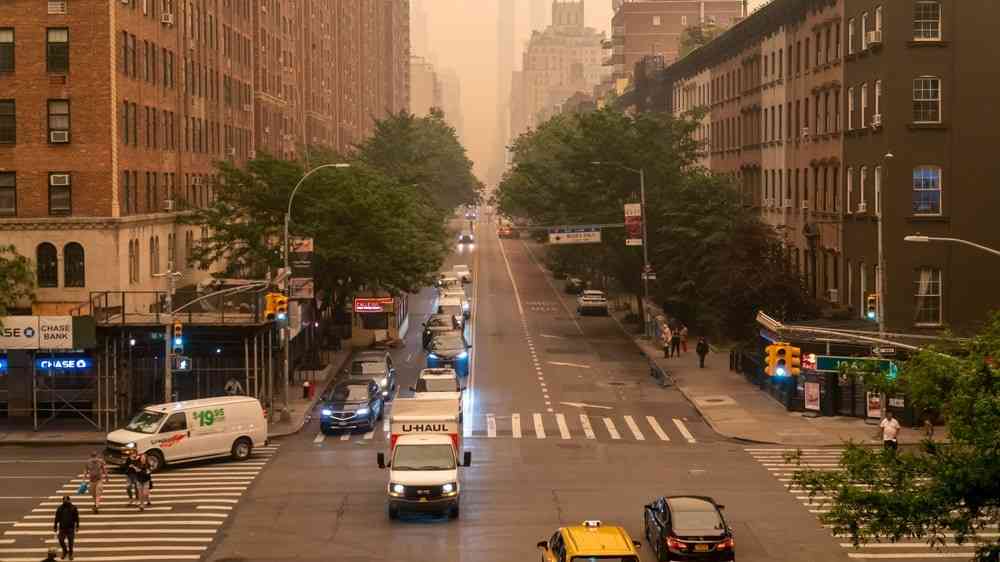
Wildfire smoke is an increasingly widespread and complex risk that extends far beyond the boundaries of active fires. Smoke can travel hundreds or even thousands of kilometres, exposing communities to hazardous air pollution, disrupting livelihoods and infrastructure, and placing significant strain on health systems. As climate change contributes to longer and more intense wildfire seasons in many regions, understanding and managing the risks associated with wildfire smoke has become an essential component of disaster risk reduction and public health preparedness.
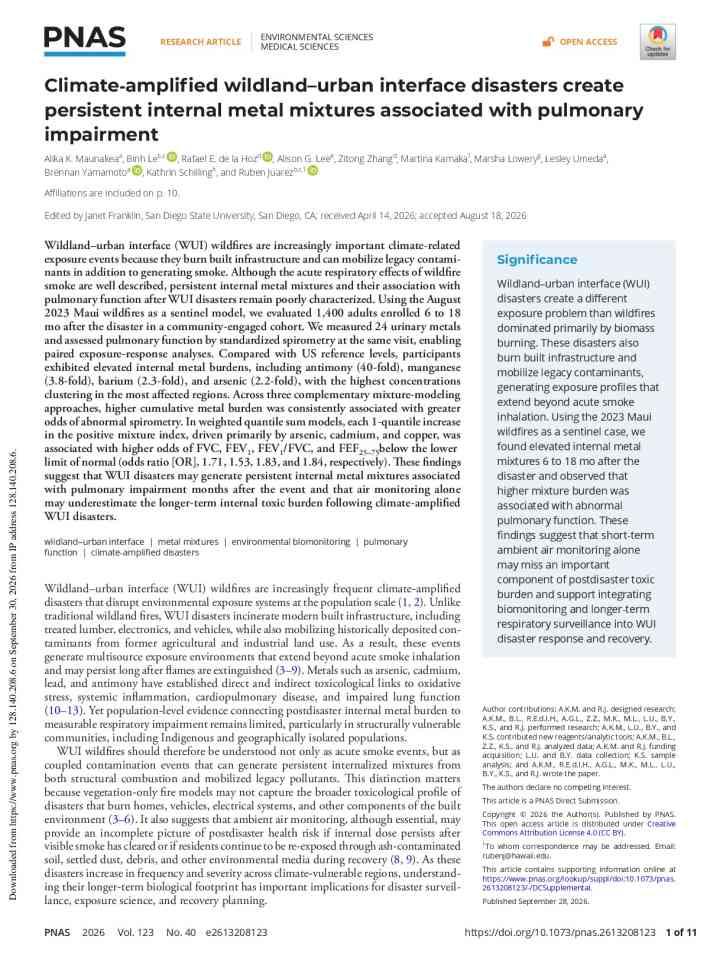
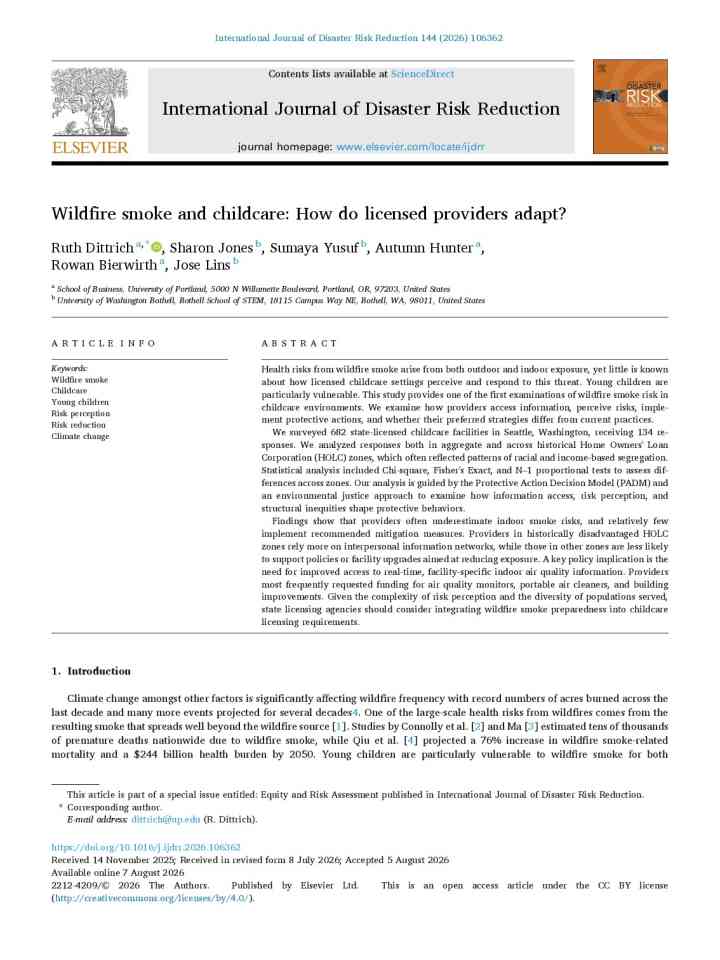
Discover publications, research, guidance, case studies and practical tools that examine the causes, impacts and management of wildfire smoke. The resources explore topics including air quality monitoring, smoke forecasting, health protection, risk communication, early warning systems and governance approaches that support coordinated action across sectors. Designed for policymakers, practitioners, researchers and emergency managers, these resources highlight evidence and good practices that can help strengthen preparedness, reduce exposure and build resilience to the growing risks of wildfire smoke.