Bangladesh: Heatwave 2024

Introduction
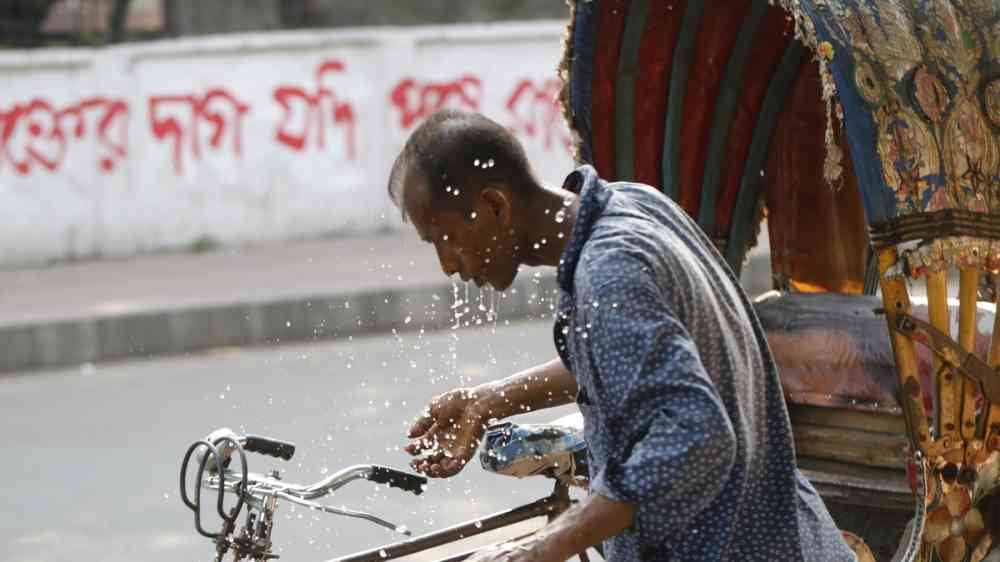
As global temperatures continue to climb, countries across South Asia are facing increasingly severe heat waves-placing millions of workers, both indoors and outdoors, at heightened risk. Bangladesh is no exception. The World Health Organization (WHO) identifies heat stress as the leading cause of weather-related mortality, noting that extreme heat can worsen cardiovascular disease, diabetes, asthma, and mental-health conditions, while also contributing to the spread of certain infectious diseases. Beyond its human toll, extreme heat poses a significant economic threat. By 2030, an estimated 80 million full-time jobs could be lost globally due to heat stress and reduced work capacity, an impact felt acutely in regions like South Asia, where outdoor labour is central to many livelihoods.
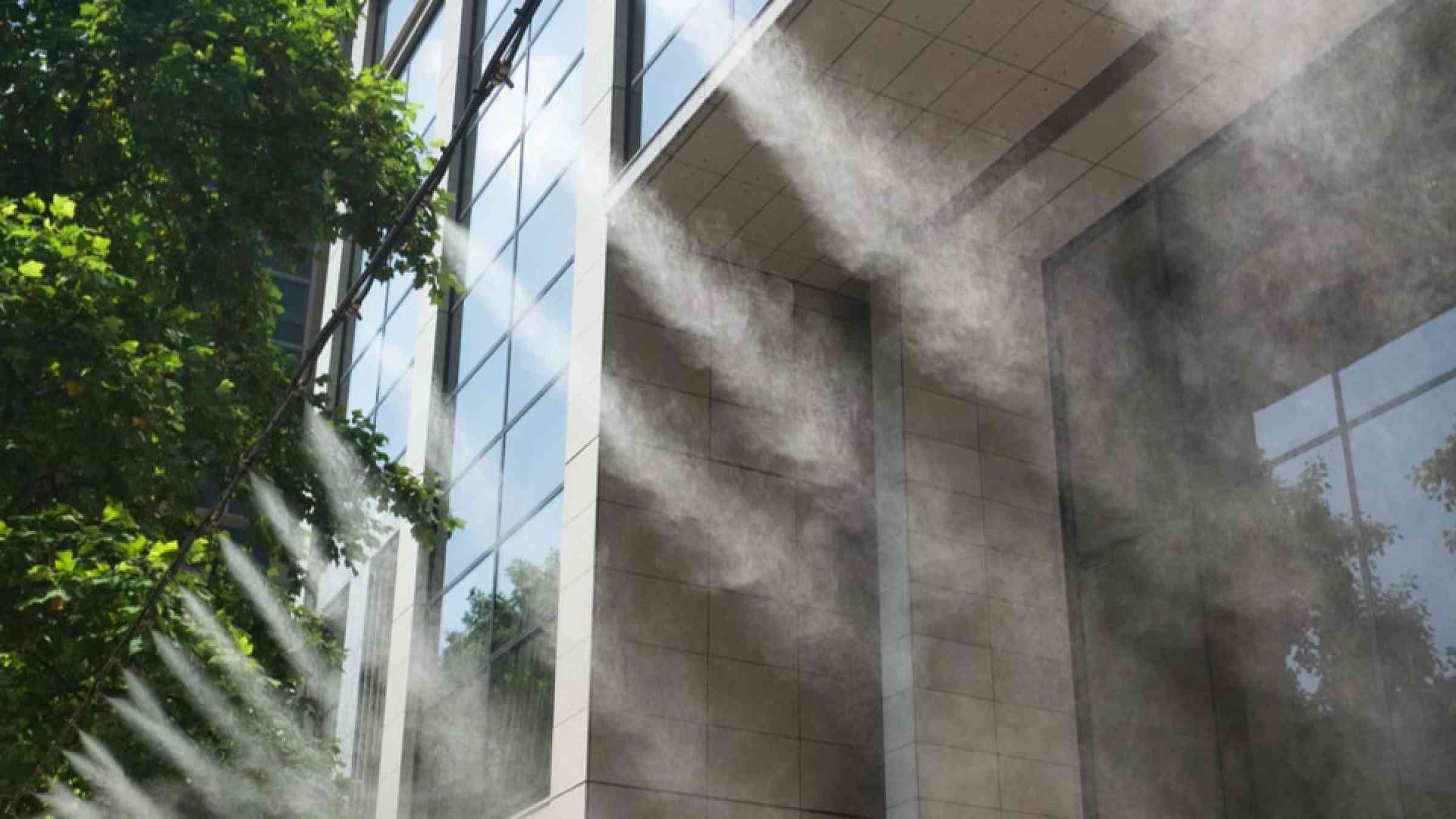
Yet despite the scale of the challenge, there are reasons for hope. Proven tools, policies, and early-warning systems already exist to help prevent the worst impacts of extreme heat. The key lies in expanding their use and ensuring communities, institutions, and workplaces are prepared.
Below, you'll find key resources and insights on the 2024 Bangladesh heatwave, as well as the approaches being used to protect communities and strengthen resilience to extreme heat.