1. Home
  2. Knowledge Base | PreventionWeb
  3. Hazards

NBC - Nuclear, Biological, Chemical

Chemical hazards are the unintended or deliberate release of a substance that is potentially harmful to humans or the environment (e.g. nerve and blistering agents, toxic industrial chemicals).

Biological hazards, according to the Convention on the Prohibition of the Development, Production and Stockpiling of Bacteriological (Biological) and Toxin Weapons and on their Destruction (1972), include germs, toxins and viruses that can sicken or kill people, livestock, or crops (UNODA, 1972).

Nuclear hazards involve the accidental or intentional release of potentially harmful radioactive materials from nuclear fission or fusion, such as those associated with  power plants, research reactors or nuclear weapons (HIP; IFRC).
Latest NBC additions in the Knowledge Base

Uploaded on
Update

Research recently published has outlined a rising risk of a major industrial disaster, with more than half of respondents suggesting that the risk of such an event in their sector is higher today than it was ten years ago.

Water Magazine
Update

As Hurricane Irma’s path turned north, Saundra Morene was told she had to evacuate her Ribault River home on Jacksonville’s Northside. But she wasn’t worried.

Climate Central
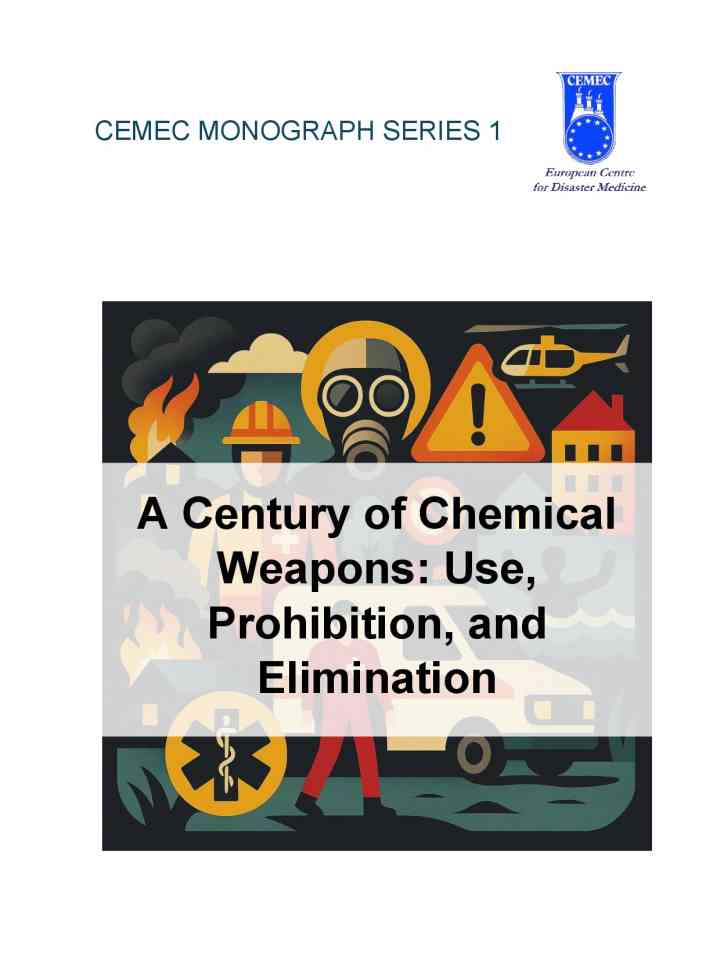
A Century of chemical weapons: use, prohibition, and elimination thumbnail
Documents and publications

This monograph provides a comprehensive examination of the history, regulation, and elimination of chemical weapons over the past century.

AIEP Editore
Update

Arsenic-contaminated groundwater affects more than 230 million people living in 108 countries. About 180 million of these people live in the Indian subcontinent (which includes Bangladesh, Nepal, and Pakistan, in addition to India) and Southeast Asia.

Eos - AGU
Update

More than 15 years after the Deepwater Horizon disaster, researchers are still searching for new ways to tackle disastrous spills. Some are looking to flaming twisters.

Eos - AGU
Update

Because Fukushima is considered a national responsibility, it is legally stipulated that all contaminated soil must be removed from the prefecture by 2045.

Japan Times Ltd., the
Update

Fifteen years after 3/11, the anniversary offers an opportunity to reassess the importance of sustained engagement in disaster recovery and what can still be learned from it.

Japan Times Ltd., the
Update

EPA rolls back rules as chemical firms claim provisions in RMP protection system too expensive to implement.

Guardian, the (UK)
Uploaded on