Pre-disaster support for vulnerable communities and resilient recovery for IDPs in North West Nigeria
Tech Talent Hunt Initiative works to increase Disaster Preparedness of ten (10) vulnerable communities and create resilient recovery pathways for 750 displaced persons in North West Nigeria.
Description
When calamities strike in vulnerable communities of North West Nigeria mainly due to armed banditry and terrorism, vital community infrastructures like schools and markets are shutdown. Victims, especially youths, waste their creativities, talents and innovative ideas in IDP-Camps and Host Community Settings, which could be harnessed as a powerful tool to stabilize national and global tech workforce. Moreover, victims usually loss hopes of regaining their dignity, livelihood and self-sustainability.
In view of these, Tech Talent Hunt Initiative launches programmes for pre-disaster community support and resilient recovery for young Internally Displaced Persons (IDPs) in North West Nigeria. The organization’s current activities are in seven (7) phases and in the following order:
Phase 1: Identification of ten (10) vulnerable communities in North West Nigeria and provision of disaster Preparedness training to the communities
Phase 2: (i) Identification, screening and selection of 750 young and smart IDPs from those already displaced in IDP-Camps and Host Community Settings.
(ii) Evacuation and accommodation of the 750 selected IDPs in safer and conducive sites close to training centers in metropolitan cities.
Phase 3: Training and or retraining of the 750 selected IDPs in Disaster Preparedness and planning
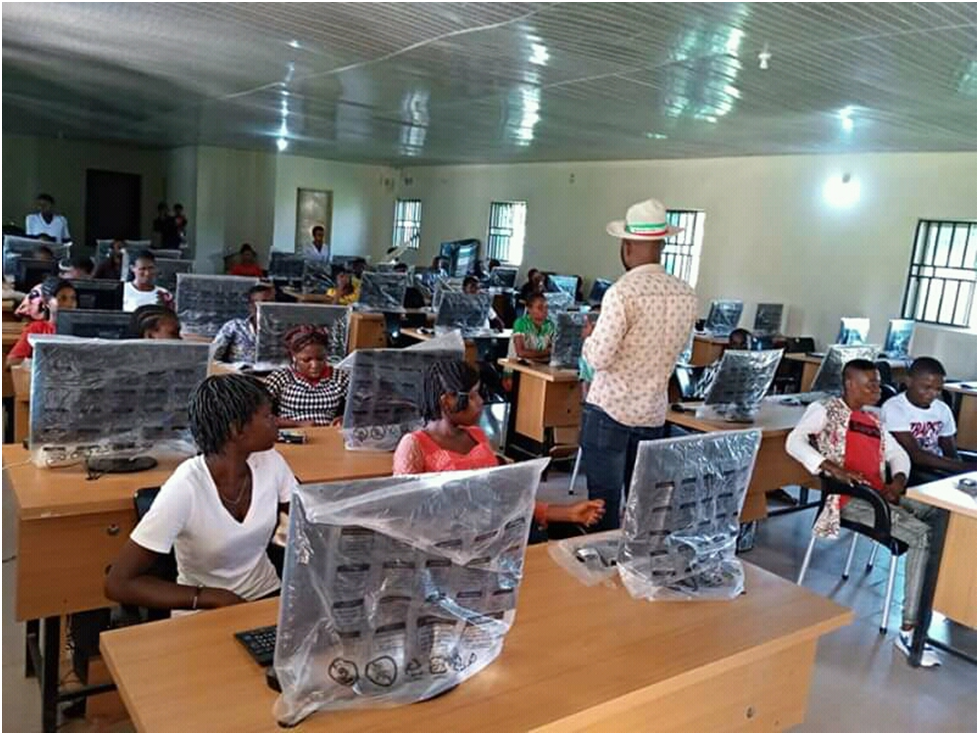
Phase 4: Training of the 750 selected IDPs in computer basics.
Phase 5: Professional training for each of the 750 selected IDPs in any one of the following programs, based on individual preferences and passion: Web Design/Development, Mobile App Development and Database Management.
Phase 6: Soft skills/employability skills training for all the 750 selected IDPs
Phase 7: Award of Certificates to all the 750 beneficiaries and outsourcing of the beneficiaries to hiring partners for job-placement/assisting them to secure at least their first digital contracts
The high-impact program has a long-term effect on at least ten (10) vulnerable communities and 750 IDPs. Benefited communities usually have what is needed ahead of time to greet violent attacks with a solid plan and proper preparation when calamity arrives; and upon graduation, benefited IDPs acquire unique resilient recovery skills and job-placements.
Did the Sendai Framework change or contribute to changes in your activities/organization? If so, how?
Yes. One of the Sendai Framework's goals is to reduce existing disaster risk through the implementation of integrated and inclusive economic, structural, legal, social, health, educational, technological measures that increase preparedness for response and recovery. And that is our mission for vulnerable communities and IDPs in North West Nigeria.
What led you to make this commitment/initiative?
What was your position before making this Voluntary Commitment / prior to the Sendai Framework?
This Initiative was driven by the Management team's passion for humanitarian aid in education, mental health, digital technology, job and wealth creation as well as increasing number of idle and wasting talents, innovative ideas and creativities of most young IDPs in Nigeria. Tech Talent Hunt Initiative believes that life and death in the critical first hours of a communal calamity typically hinged on preparedness and resources; and for already displaced persons, their displacement is a circumstance, not an identity – it does not define or limit what they can become or achieve.
Deliverables and Progress report
Deliverables
Deliverables are the end-products of the initiative/commitment, which can include issuance of publications or knowledge products, outcomes of workshops, training programs, videos, links, photographs, etc.
Completed the identification and provision of disaster Preparedness training for ten (10) vulnerable communities in North West Nigeria.
Completed the identification, screening and selection of 750 IDPs that have good analytical skills and at least secondary school education from IDP-Camps and Host Community Settings in North West Nigeria (Age: 15 to 24; 60% females and 40% males) and evacuation of the 750 selected IDPs to new, safer and conducive sites close to the training centers in the metropolitan cities.
Completed training and or retraining of the 750 selected IDPs in Disaster Preparedness.
Completed computer basics training for the 750 selected IDPs.
Completed a professional training for each of the 750 selected IDPs in any one of the following programs, based on individual preferences and passion: Web Design/Development, Mobile App Development and Database Management.
Completed soft skills/employability skills training for all the 750 selected IDPs.
In two months of completing all training, achieved the following tasks:
(a) Award certificates to all beneficiaries.
(b) Outsource at least 600 beneficiaries to hiring partners for job-placement.
(c) Assist at least 150 beneficiaries to secure at least their first digital contracts especially in web design/development and Mobile App Development for individuals, schools and other organizations.
Organizations and focal points
Implementing Organization(s)
Focal points