Items: 6
The objective of this audit was to assess the EU's climate adaptation framework and funding and how they address the impacts of climate change in the EU.
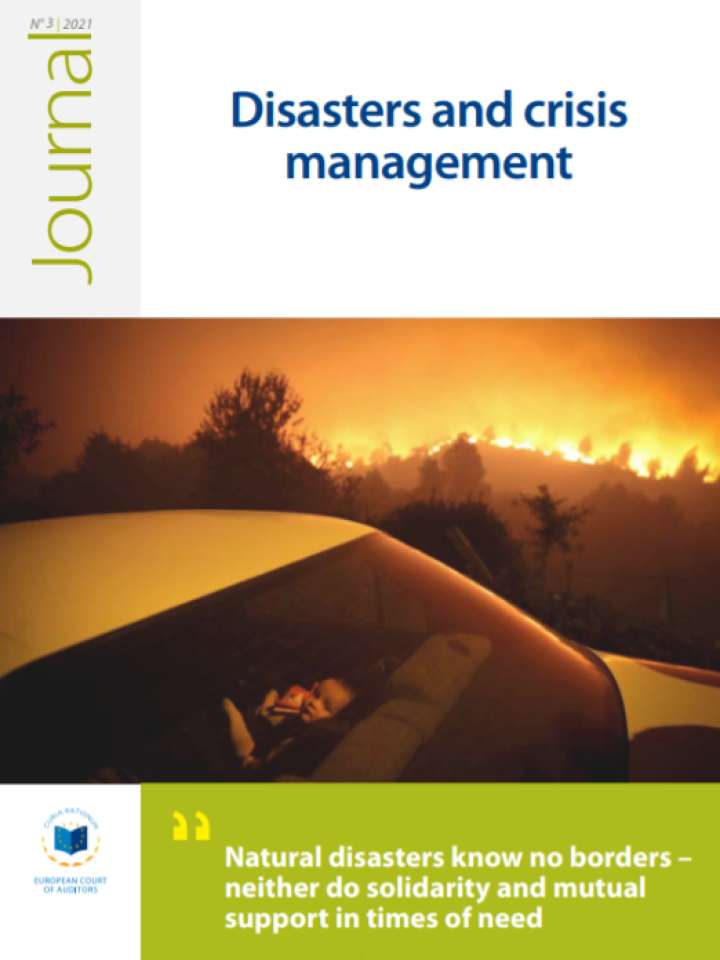
This journal aims to reflect on the impact of solidarity in times of crisis and on how public auditors in the European Union are contributing to alleviating future crises.
Desertification is a form of land degradation in drylands. It is a growing threat in the EU. The long period of high temperatures and low rainfall in the summer of 2018 was a reminder of this problem's pressing importance.
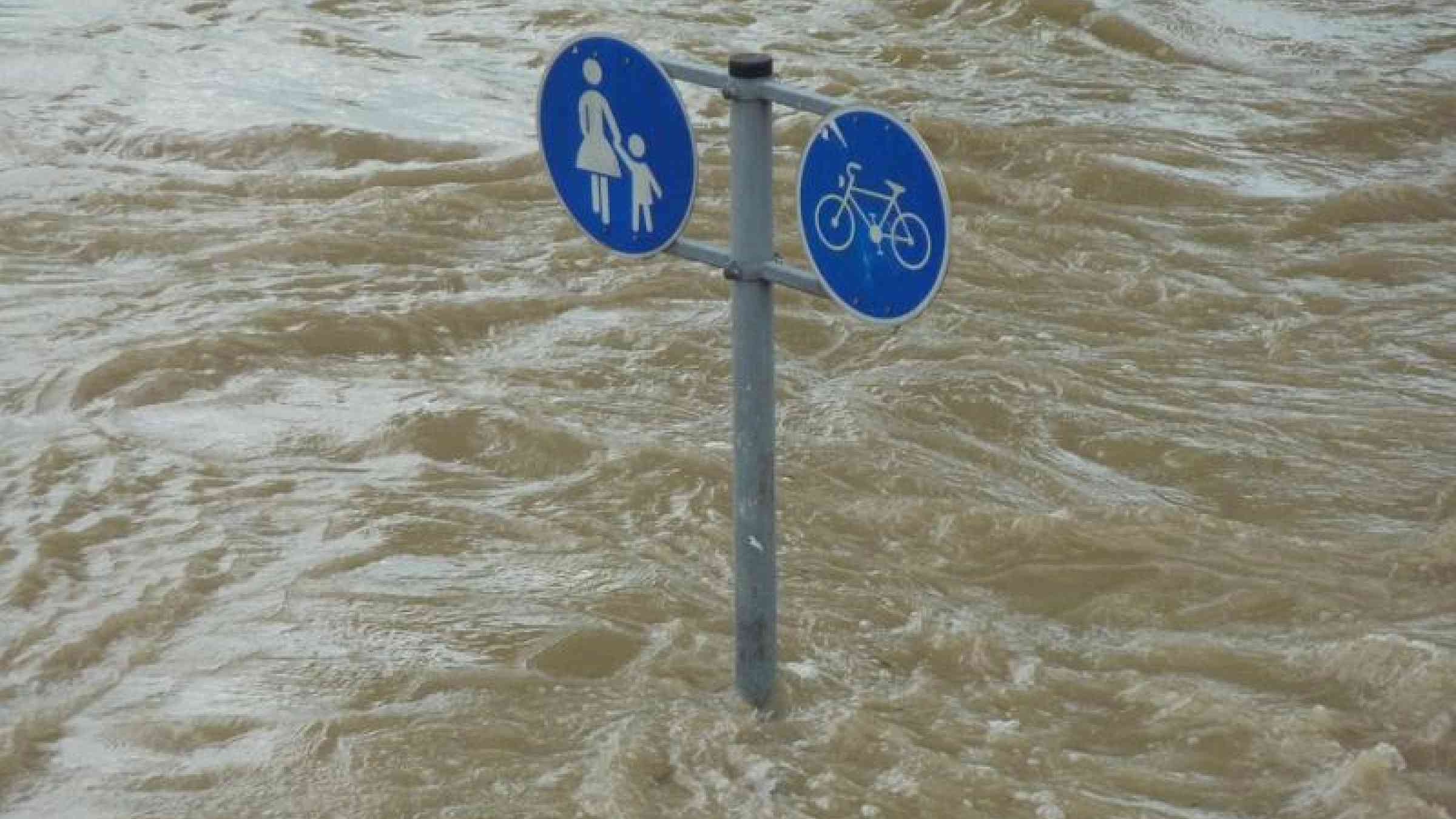
According to a new report by the European Court of Auditors, the EU Directive of 2007 led to progress in assessing the risks of floods, but major challenges remain in the much fuller integration of climate change, flood insurance and spatial planning into flood risk management. There are also critical weaknesses in allocating funding.

In response to the rising incidence of flooding, the EU adopted in 2007 the Floods Directive. Under this framework, this audit sought to determine whether flood prevention, protection and preparedness under the Floods Directive were base

This document is intended to assist Supreme Audit Institutions (SAIs) in the audit of disaster risk reduction by governments.
Voluntary Commitments
The organization has no registered commitments.
The Sendai Framework Voluntary Commitments (SFVC) online platform allows stakeholders to inform the public about their work on DRR. The SFVC online platform is a useful toolto know who is doing what and where for the implementation of the Sendai Framework, which could foster potential collaboration among stakeholders. All stakeholders (private sector, civil society organizations, academia, media, local governments, etc.) working on DRR can submit their commitments and report on their progress and deliverables.