Items: 12
Enhancing existing academic and training curricula, with respect to the evolving context of disaster and climate risks, will be a vital building block for securing infrastructure against disasters.
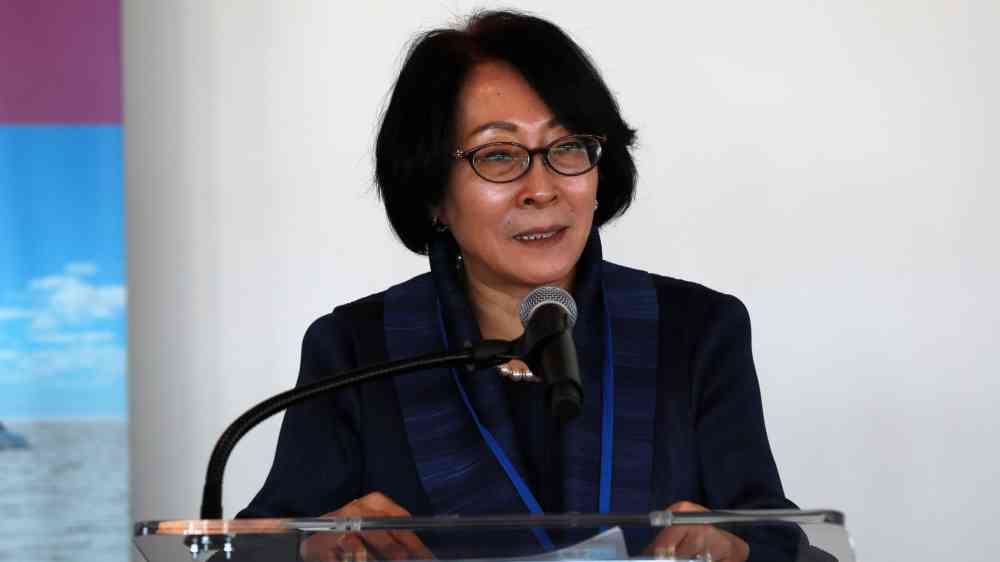
The establishment of the Disaster Risk Reduction Working Group is a testament to the commitment of all G-20 countries to change from one of reaction to proactive response, says Mami Mizutori, SRSG.
Climate change is predicted to reduce maize and cotton yield in Punjab by 13% and 11% by 2050, according to a new study conducted by agriculture economists and scientists at Punjab Agricultural University (PAU).
Around 73% of Kochi city’s population lives in demarcated flood risk zones and 55% of the overall population lives outside a five-minute-response time from fire stations.
With Indian farmers facing water scarcity, the drip method of irrigation can increase efficiency by saving a substantial amount of water.
The Odisha government has received praise for its preparedness that helped minimise losses during Cyclone Fani. An important contribution to the successful handling of the threat posed by the storm was provided by lightning arresters, which were installed over cyclone shelters.
Despite sustaining the livelihoods of millions of Africans, the continent’s agricultural sector remains dependent on erratic seasonal rains. But FuturePump, a company founded in 2011, sells solar-powered irrigation pumps to smallholder farmers to free them from a dependence on seasonal rains by granting the opportunity to grow produce out of season.
Many studies show there are multiple barriers to the use of disaster forecasts. These include institutional or cultural practices, and resource limitations at agencies that must make decisions. Forecasts seen as useful by forecasters are often not usable according to the decision-makers because of reliability, access, credibility, or legitimacy of the information.
Voluntary Commitments
The organization has no registered commitments.
The Sendai Framework Voluntary Commitments (SFVC) online platform allows stakeholders to inform the public about their work on DRR. The SFVC online platform is a useful toolto know who is doing what and where for the implementation of the Sendai Framework, which could foster potential collaboration among stakeholders. All stakeholders (private sector, civil society organizations, academia, media, local governments, etc.) working on DRR can submit their commitments and report on their progress and deliverables.