1. Home
  2. Knowledge Base | PreventionWeb
  3. Hazards

Landslide

Landslide is the downslope movement of soil, rock and organic materials under the effects of gravity, which occurs when the gravitational driving forces exceed the frictional resistance of the material resisting on the slope. Landslides could be terrestrial or submarine (Varnes, 1978).

Landslides can be triggered by geological and physical causes such as glacier or snow melts, heavy rains and water pressure, earthquakes, volcanic eruptions and overly steep slopes. Landslides can also be triggered by human action, the most common being building on unstable slopes. Submarine landslides, or massive slides and rock falls hitting the sea can also cause tsunamis.

Landslides can reach speeds of over 50 km/h and can bury, crush or carry away people, objects and buildings. Landslides cannot be predicted but warning systems measuring rainfall levels can provide warning to people living in landslide-prone areas.

Instrumental monitoring to detect movement and the rate of movement can be implemented, for example, extensometers, global positioning system (GPS), seismometers, aerial photography, satellite images, LiDaR (Highland and Bobrowsky, 2008), with varying degrees of success. Increasingly, the science of landslide physics is allowing the nature of these hazards to be understood, which is leading to better techniques through which they can be managed and mitigated (HIP).

Risk factors

  • Population growth
  • Rapid urbanisation
  • Environmental degradation (deforestation and inappropriate use of lands and slopes)
  • High population density, heavy rainfall and rapid land use changes increase the instability of slopes

Risk reduction measures

  • Early warning systems to observe and alert before landslides happen
  • Hazard maps to identify landslides risk and vulnerabilities
  • Integrate landslide risk assessment into urban planning strategies
  • Building codes and standards for materials that reinforce landslide resilience
  • Improve drainage, building tunnels and trenches to stabilise slopes
  • Protect forest cover and regulate logging
  • Raise awareness of landslide risk
  • Regular drills and community evacuation exercises
  • Establish national, regional, and local evacuation plans
Latest Land Slide additions in the Knowledge Base

Uploaded on
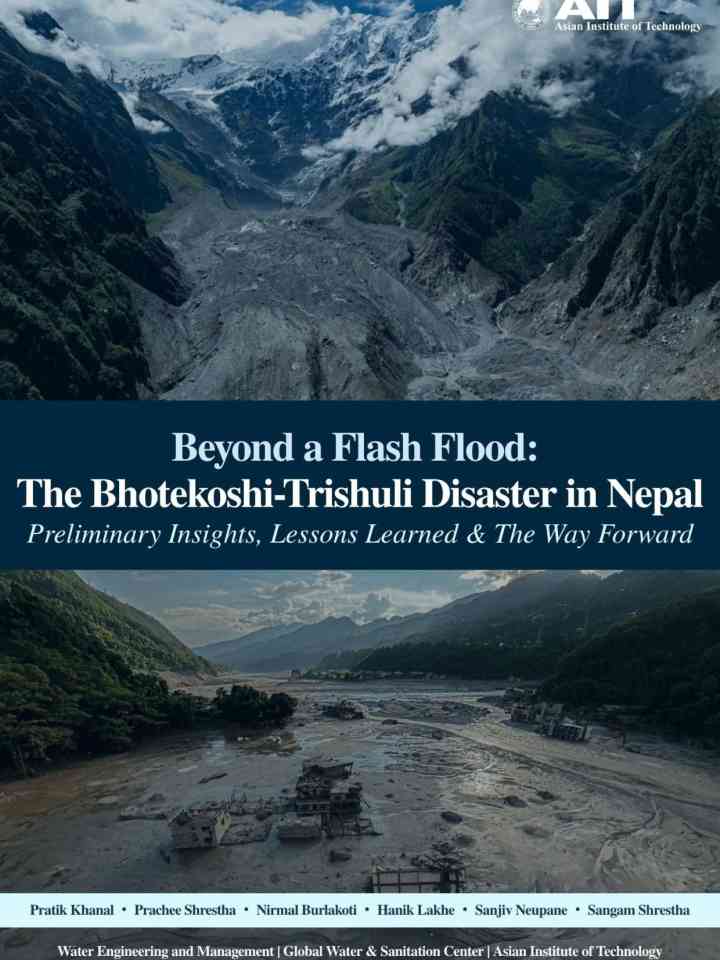
Beyond a flash flood: The Bhotekoshi - Trishuli disaster in Nepal - Preliminary insights, lessons learned and the way forward thumbnail
Documents and publications

This report analyzes the 2026 flash flood in Nepal, finding a massive rock-ice avalanche—not rainfall—triggered the disaster. It advocates multi-hazard monitoring, early warning systems, and transboundary risk management to build Himalayan resilience.

Asian Institute of Technology - Disaster Preparedness, Mitigation and Management Program
Case study
Location: Dominica
This case study shows how risk analysis, nature-based solutions and capacity building are informing resilient infrastructure design and investment planning in Dominica to strengthen climate resilience and reduce disaster risk.
  • Intra Africa, Caribbean and Pacific (ACP) Disaster Risk Reduction Programme (DRRP)
Case study
Location: Saint Lucia
Case study on how risk analytics, urban resilience assessments and flood mitigation studies are informing climate-resilient investment and infrastructure planning in St. Lucia.
  • Intra Africa, Caribbean and Pacific (ACP) Disaster Risk Reduction Programme (DRRP)
Case study
Location: Burundi
Case study on how a post-disaster needs assessment and climate-risk engineering study informed resilient rehabilitation of the Port of Bujumbura after the 2023–2024 El Niño floods.
  • Intra Africa, Caribbean and Pacific (ACP) Disaster Risk Reduction Programme (DRRP)
Mountains, multi-hazards, and their management: Disaster risk governance in Nepal and Switzerland thumbnail
Documents and publications

This brief summarizes findings from a comparative study of DRM governance in Switzerland and Nepal, two mountainous states that face structurally similar hazards but operate under starkly different institutional, financial, and developmental conditions.

University of Zurich
Families are relocated due to flooding and landslides in the Balukhali Rohingya refugee camp in Cox’s Bazar.
Update
Bangladesh’s Rohingya refugee camps vulnerable to landslides

Amid recurring landslides, a growing number of Rohingya refugees in Bangladesh are being forced to adapt to increasingly limited camp space. Refugee management authorities warn that expansions of Rohingya camps will accelerate destruction of forests.

Mongabay
Update
USA: Experts warn of a deadly ‘tsunami from the sky’

The recent disaster in Nepal may be a warning of what's to come for the rest of the world. While scientists are getting better at identifying where the danger lies, knowing exactly when the next mountainside will collapse is a much harder problem.

British Broadcasting Corporation (BBC)
Update
USA: Climate change is boosting landslide risks in southern Appalachia

More extreme storms could increase the threat in mountainous areas where steep slopes already create hazards.

Yale Climate Connections
Uploaded on