Understanding disaster risk: Approaches and practices
From anticipatory action to scaling up DRR in humanitarian action, explore various approaches used to prevent disasters and reduce risk.
Explore each approach below:

The policy objective of anticipating and reducing risk is called disaster risk reduction (DRR). Although often used interchangeably with DRR, disaster risk management (DRM) can be thought of as the implementation of DRR, since it describes the actions that aim to achieve the objective of reducing risk.
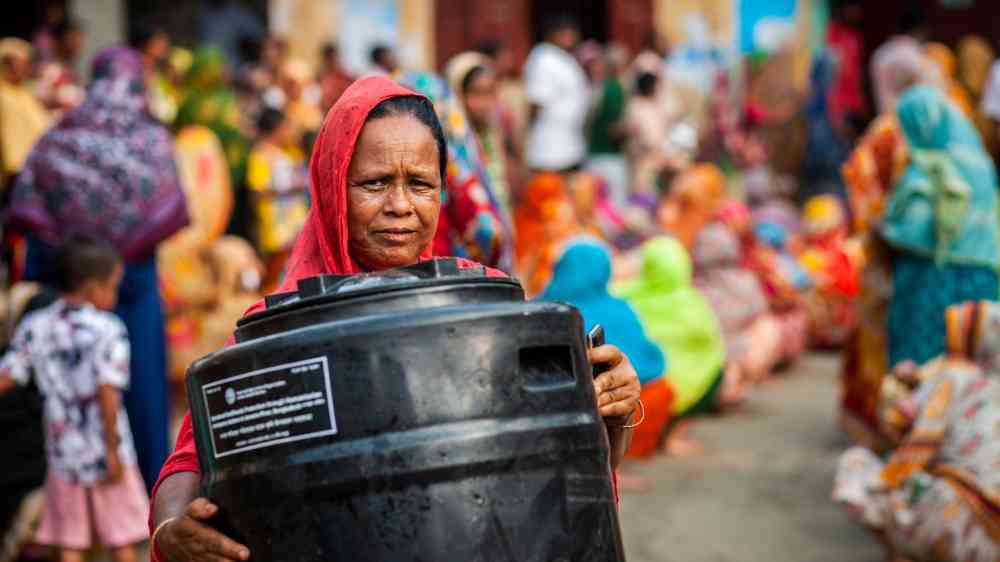
Anticipatory action allows humanitarians and affected communities to make informed decisions ahead of a humanitarian crisis – saving time and money; preventing displacement, disease, loss of livelihood; and preserving the dignity of those affected.
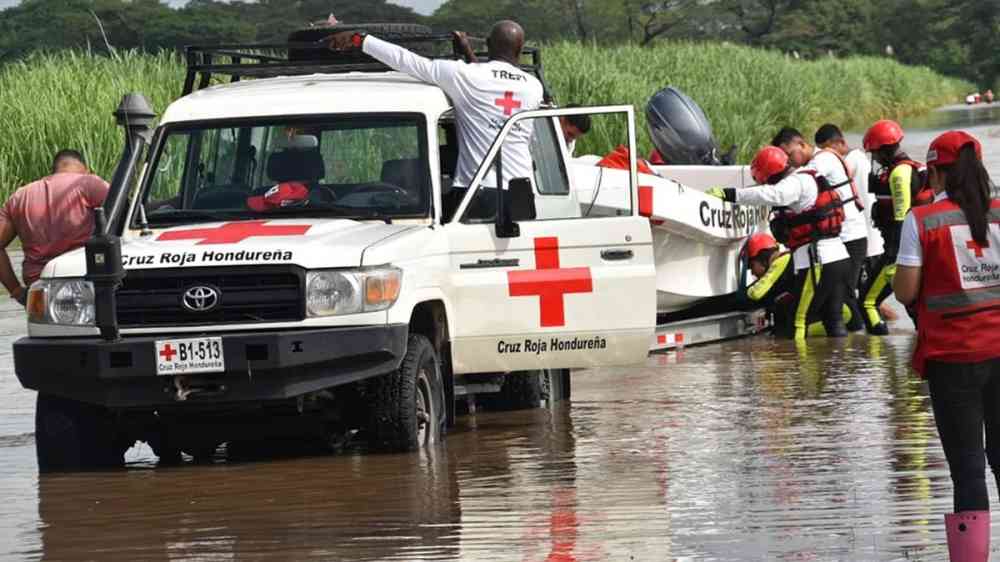
Scaling up disaster risk reduction (DRR) in humanitarian and fragile contexts is critical as it complements emergency response with a focus on reducing exposure and vulnerability.

Simulation exercises help prepare communities and allow for stress testing plans and systems for effective response. Systems, emergency procedures, contingency plans, response mechanisms, and equipment are tested in these exercises.

In the context of disaster risk, the ability of a system, community or society exposed to hazards to resist, absorb, accommodate, adapt to, transform and recover from the effects of a hazard in a timely and efficient manner, including the preservation and restoration of its essential basic structures and functions through risk management.

Capacity refers to all the strengths, attributes and resources available within a community, organization or society to manage and reduce disaster risks and strengthen resilience.
This is part of the Understanding Disaster Risk section on PreventionWeb, which explains the concept of disaster risk, risk assessment, and management strategies, emphasizing collaboration among stakeholders for effective disaster risk reduction.