Items: 19
Communities on the frontlines of climate change want to take the lead in choosing their own adaptive strategies.
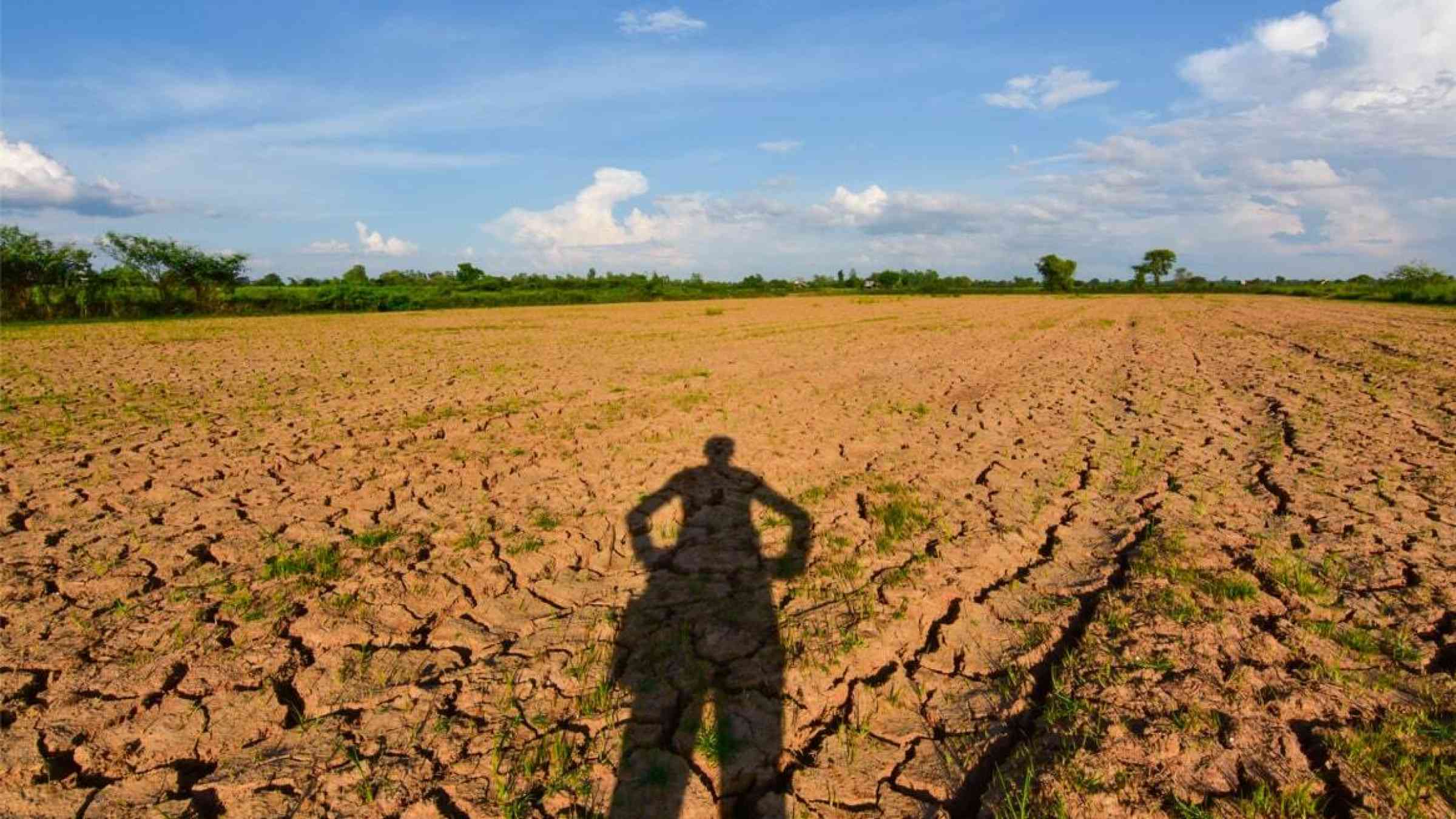
Droughts occurring at the same time across different regions of the planet could place an unprecedented strain on the global agricultural system and threaten the water security of millions of people, according to a new study in Nature Climate Change.
A study, published in Science Advances, found that widespread air pollution events from wildfires are not only increasing in frequency but also persisting longer and affecting a larger geographic extent across the region.

Multiple large heatwaves the size of Mongolia occurred at the same time nearly every day during the warm seasons of the 2010s across the Northern Hemisphere, according to a study led by Washington State University researchers.
New study suggests salvage logging and re-seeding a forest after a wildfire helps reduce flooding and returns water levels to normal faster.
Deepti Singh, a Washington State University scientist, is trying to understand how and why the South Asian summer monsoon is changing. Her research has found long-term weakening of monsoon circulation and a decline in seasonal rainfall over the region's core, but an increase in other areas. This research will contribute to better monsoon predictions.
New research warns that the Earth’s warming climate could create a worse version of The Great Drought, the most devastating known drought of the past 800 years. Because the drought was induced by natural variations in sea‑surface temperatures, a similar global-scale event could happen again, except this time greenhouse gases will have intensified El El Niño events.
Nematodes, small roundworms, cause billions of dollars in crop losses nationwide every year. Since expensive pesticides are the only option to manage infestations, researchers are developing plants that are toxic to nematodes using a special type of fatty acid, saving the agriculture industry from infestations and the expensive cost of pesticides.
Voluntary Commitments
The organization has no registered commitments.
The Sendai Framework Voluntary Commitments (SFVC) online platform allows stakeholders to inform the public about their work on DRR. The SFVC online platform is a useful toolto know who is doing what and where for the implementation of the Sendai Framework, which could foster potential collaboration among stakeholders. All stakeholders (private sector, civil society organizations, academia, media, local governments, etc.) working on DRR can submit their commitments and report on their progress and deliverables.