Mission
The Office of Risk Management is charged with ensuring every District of Columbia government agency with eight or more employees establishes an Emergency Response Plan (ERP), in accordance with the 2015 District of Columbia Fire Code, and in compliance with the Occupational Safety and Health Administration standard, 29 Code of Federal Regulations 1910.38, Emergency Action Plan.
ERPs ensure that District agencies develop emergency plans and provide employees with documented procedures for responding to emergency events.
Risk prevention and Safety (RPS) division staff collaborate with Agency Risk Management Representatives (ARMRs) and DC Fire and Emergency Services (DCFEMS) to develop emergency plans that proactively protect the District’s workforce, citizens, and resources.
All employees should be trained in responding to emergencies and regular fire drills should be performed in your agency. If you have any questions, please contact your agency ARMR.
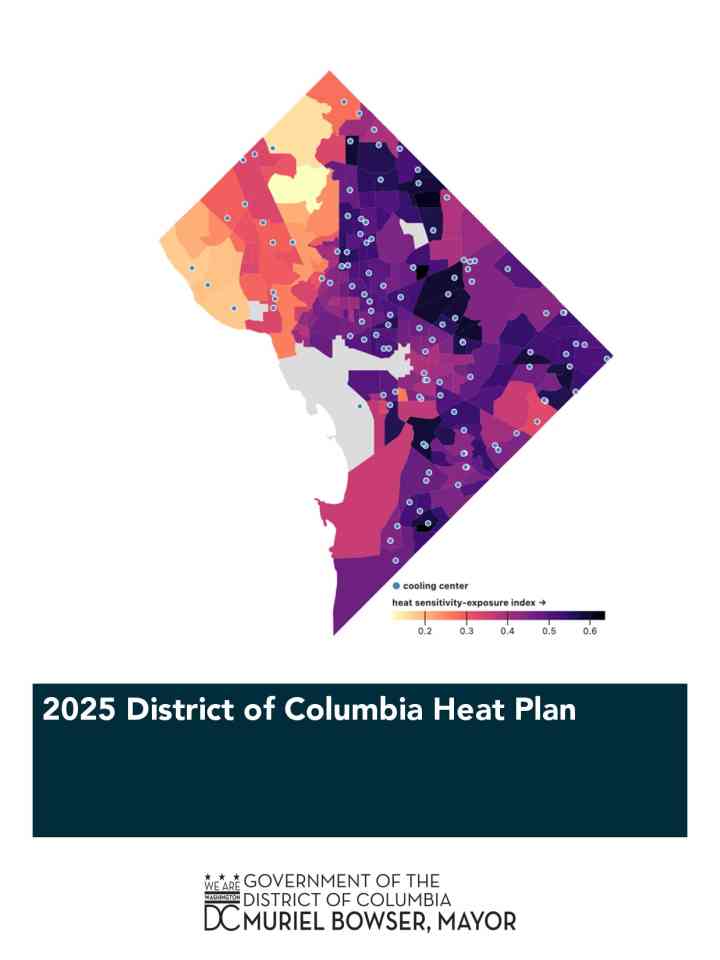
District of Columbia undertakes a comprehensive set of disaster risk reduction activities that integrate preparedness, mitigation, public health, and climate adaptation across city agencies. Through its homeland security and emergency management functions, the District plans for and coordinates responses to hazards such as extreme heat, flooding, severe storms, winter weather, and public health emergencies. DRR efforts are reinforced by hazard mitigation planning and long-term climate resilience strategies that prioritize protecting critical infrastructure and vulnerable populations. The District places particular emphasis on extreme heat risk, combining public health surveillance, early warning and alert systems, cooling centers, and targeted outreach to at-risk residents. Strong interagency coordination, data-driven planning, and public communication underpin Washington, DC’s approach to reducing disaster risk and strengthening urban resilience.
Voluntary Commitments
The Sendai Framework Voluntary Commitments (SFVC) online platform allows stakeholders to inform the public about their work on DRR. The SFVC online platform is a useful toolto know who is doing what and where for the implementation of the Sendai Framework, which could foster potential collaboration among stakeholders. All stakeholders (private sector, civil society organizations, academia, media, local governments, etc.) working on DRR can submit their commitments and report on their progress and deliverables.