Items: 22
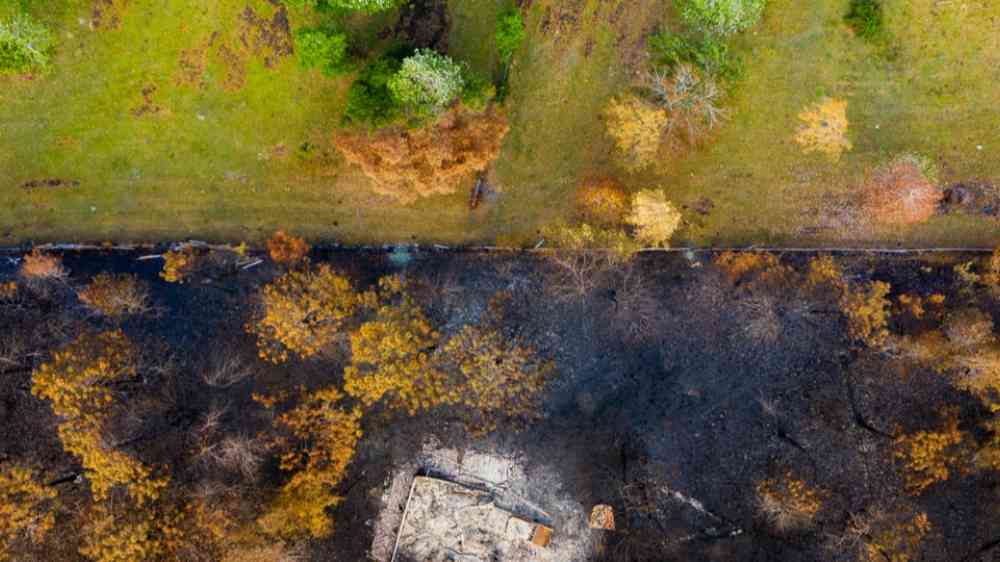
Researchers have developed a new model that combines generative AI and satellite data to accurately forecast wildfire spread.
Although scientists cannot forecast when and where earthquakes will strike, preparation is key to improving society's resilience to large earthquakes.
The region’s sandy coastlines are vanishing at an alarming rate. It’s a warning sign for coastal communities worldwide, USC research suggests.
Outlawing controlled burns didn’t work. As demand for prescribed fire increases across California, experts explore traditional and modern methods for building wildfire resilience in a burning world.

Researchers believed a waxy coating in burnt soil caused water to run over the ground’s surface. They now find that burnt ground can absorb water, findings that can help them more accurately predict flooding and mudslides after a fire.
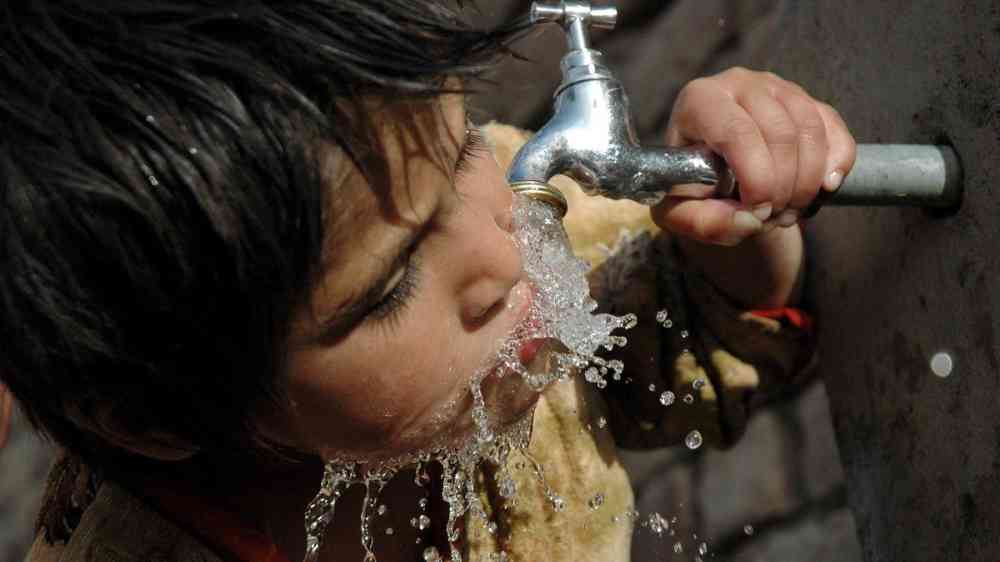
People’s worries about water safety are connected more closely to concerns about severe weather than climate change. Environmental communication could better capture attention and drive meaningful action by focusing on extreme waether impacts.
USC researchers and colleagues track and document the tsunami impact of a recent event near Tonga.
Keck School of Medicine of USC researchers used a new analytic approach to study more than 1.5 million deaths across the state of California.
Voluntary Commitments
The organization has no registered commitments.
The Sendai Framework Voluntary Commitments (SFVC) online platform allows stakeholders to inform the public about their work on DRR. The SFVC online platform is a useful toolto know who is doing what and where for the implementation of the Sendai Framework, which could foster potential collaboration among stakeholders. All stakeholders (private sector, civil society organizations, academia, media, local governments, etc.) working on DRR can submit their commitments and report on their progress and deliverables.
Contact information
Fax:
+1 3017131129