
Items: 16

In the wake of a wildfire, there’s often an assumption that burned landscapes will be more susceptible to landslides. But new research from the University of Oregon suggests it’s not always that simple.

Magma movement is often guided by structural features of the crust, like cracks in the fault system, which means future volcanic unrest may occur outside traditional volcanic centers.
A UO researcher’s examination of urban mobility and climate change offers perhaps the most comprehensive insights to date on extreme weather events and public transit ridership.
Iceland’s ongoing volcanic eruptions may continue on and off for years to decades, threatening the country’s most densely populated region and vital infrastructure, researchers predict from local earthquake and geochemical data.

The Kīlauea volcano erupted like a stomp-rocket in 2018, new research shows.
Natural hazards monitoring will help keep Oregonians safe and advance research.
High up in a telecommunications tower on a South Eugene ridge, a climber is barely visible. His bright blue jacket blends in with the sky as he attaches a white microwave dish to the tower’s metal limbs.
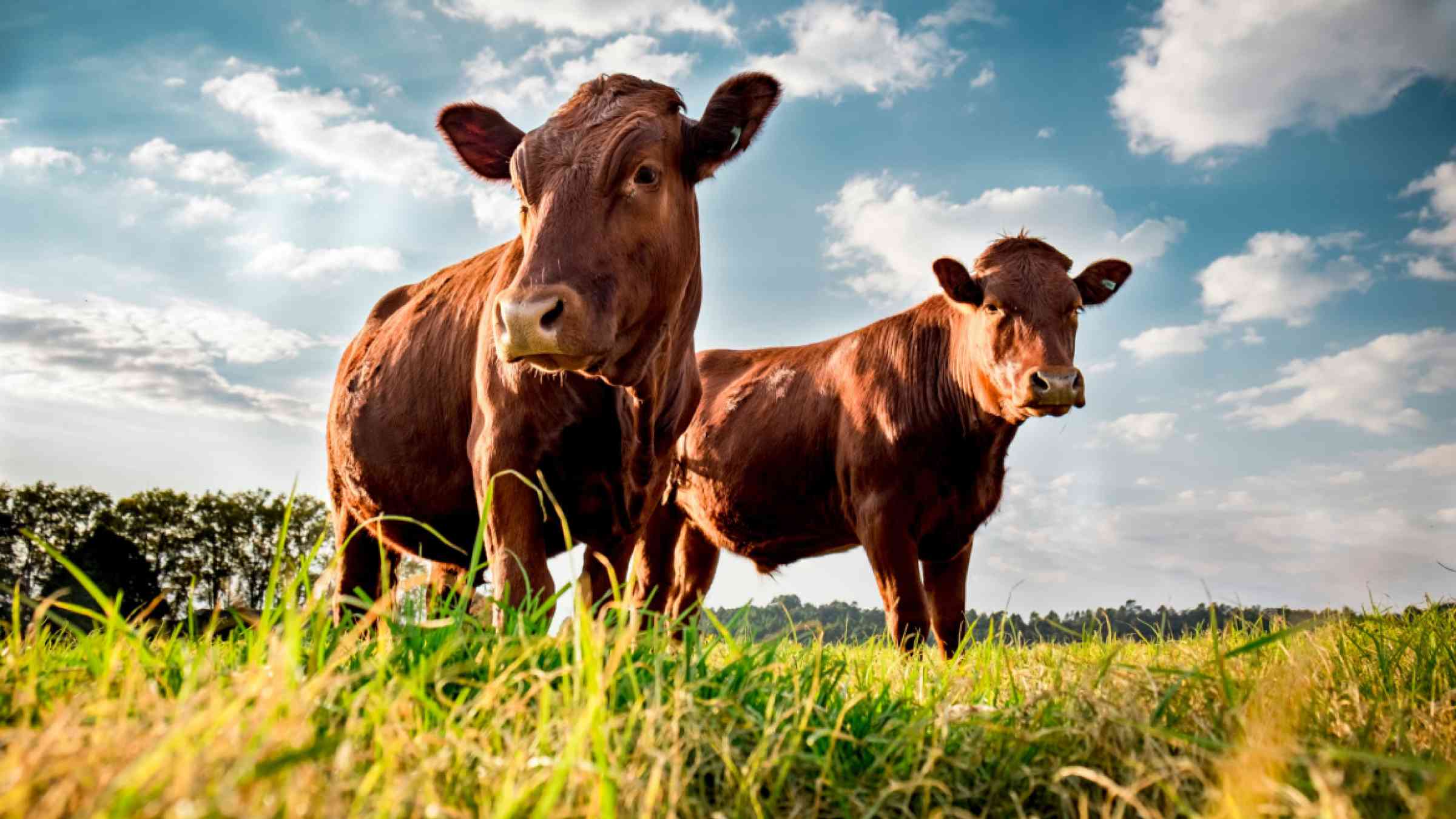
The use of virtual fencing to manage cattle grazing on sagebrush rangelands has potential to create fuel breaks needed to help fight wildfires, a recent Oregon State University and U.S. Department of Agriculture-Agricultural Research Service study found.
Voluntary Commitments
The organization has no registered commitments.
The Sendai Framework Voluntary Commitments (SFVC) online platform allows stakeholders to inform the public about their work on DRR. The SFVC online platform is a useful toolto know who is doing what and where for the implementation of the Sendai Framework, which could foster potential collaboration among stakeholders. All stakeholders (private sector, civil society organizations, academia, media, local governments, etc.) working on DRR can submit their commitments and report on their progress and deliverables.