Items: 26
As heat waves blaze across the United States, a University of Arizona researcher says city planners should take the lead in managing and mitigating extreme heat.
Most scientists researching California's extreme weather events have focused their investigations on the last decade and predict a more tumultuous future. But new research finds that increasing extreme weather trends began half a century ago.
Drilling deep into the Greenland ice sheet, researchers reconstructed the jet stream's tumultuous past and found that climate-caused disruptions are likely to have drastic weather-related consequences for societies on both sides of the Atlantic.

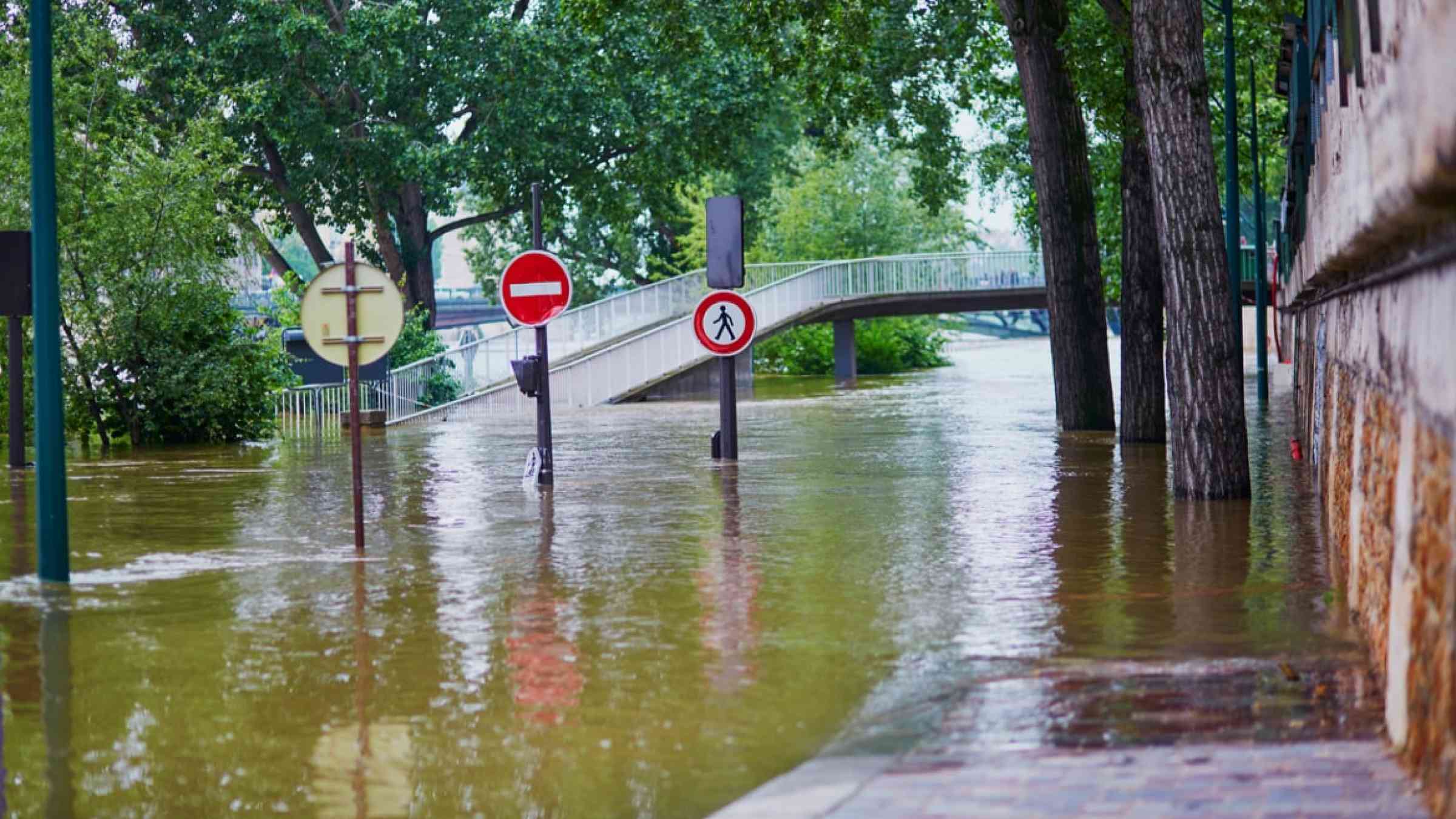
The proportion of the population exposed to floods has grown by 24% globally since the turn of the century.
New UArizona-led research identifies climate change challenges faced by U.S. Department of Defense facilities and model solutions for other large organizations.
Rapid snowmelt can be dangerous, and understanding its drivers is important for understanding the world under the influence of climate change.
Understanding Southern Arizona wildfires: research shows that while winter rains can temper the beginning of the wildfire season, monsoon rains are what shut them down.
Research suggests the common linkage of Central American migration to climate change should be more nuanced, based on local trends not regional expectations.
Voluntary Commitments
The organization has no registered commitments.
The Sendai Framework Voluntary Commitments (SFVC) online platform allows stakeholders to inform the public about their work on DRR. The SFVC online platform is a useful toolto know who is doing what and where for the implementation of the Sendai Framework, which could foster potential collaboration among stakeholders. All stakeholders (private sector, civil society organizations, academia, media, local governments, etc.) working on DRR can submit their commitments and report on their progress and deliverables.