
Items: 7

A study led by climatologists at the University at Albany finds that extreme heat waves across the Caribbean are becoming significantly more frequent, longer and severe.
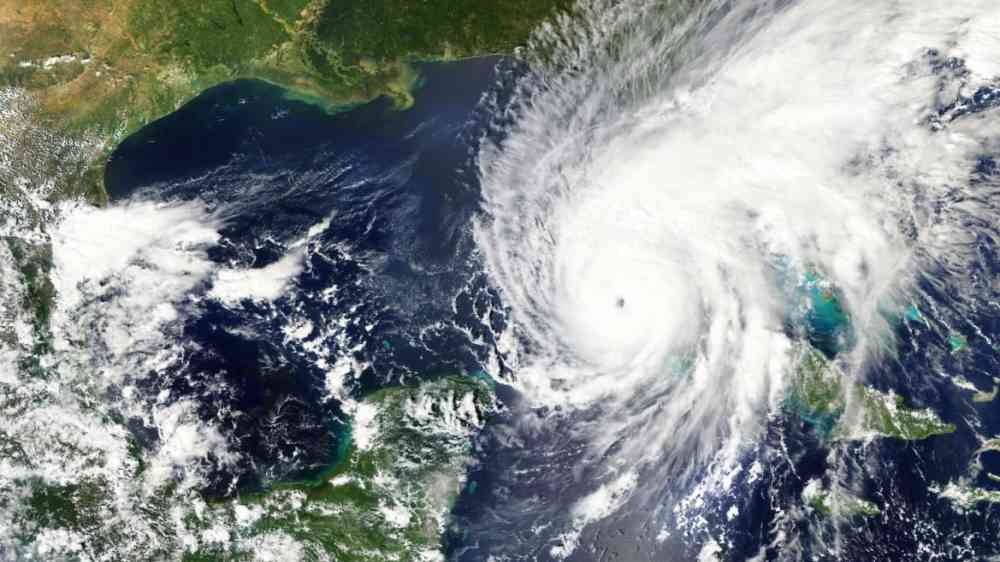
Hurricane Hunter missions significantly increase the accuracy of hurricane forecasts, according to a new study published in Weather and Forecasting by researchers at the University at Albany.
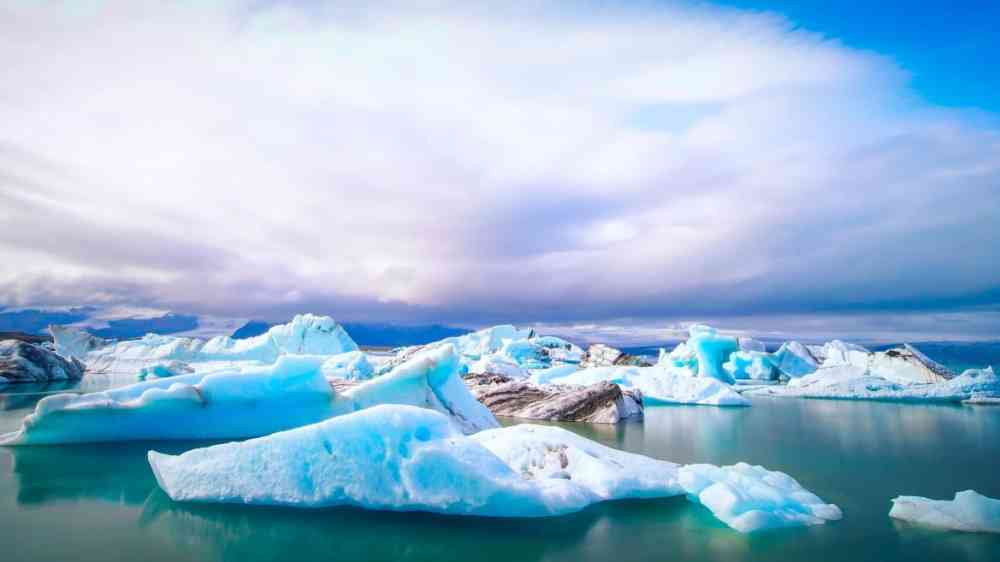
A new study has found that El Niño events, which typically occur once every few years, might become even stronger due to melting Arctic sea ice.
While the impacts of climate change vary across the globe, most scientists agree that, overall, a warming environment is increasing both the frequency and intensity of severe weather events such as tornados and intense thunderstorms.
Over the last 40 years, a rapid shrinking of Arctic sea ice has been one of the most significant indicators of climate change. The amount of sea ice that survives the Arctic summer has declined 13 percent per decade since the late 1970s.
The University at Albany has been selected to partner on a NOAA Severe Weather Research Institute that comes with an award of up to $208 million over the next five years.
Foro Internacional Glaciares: challenge of research at society’s service in the framework of climate change, seeks to get to know the experiences, practices and national and international researches about glaciers, creating opportunities for coope
Voluntary Commitments
The organization has no registered commitments.
The Sendai Framework Voluntary Commitments (SFVC) online platform allows stakeholders to inform the public about their work on DRR. The SFVC online platform is a useful toolto know who is doing what and where for the implementation of the Sendai Framework, which could foster potential collaboration among stakeholders. All stakeholders (private sector, civil society organizations, academia, media, local governments, etc.) working on DRR can submit their commitments and report on their progress and deliverables.