Items: 40
In 2018, the Yahara Lakes, Wisconsin, experienced widespread flooding resulting in millions of dollars of damage.
This paper presents a framework for reducing wildfire risk at its actual landscape scale.
The USDA has announced that U.S. cotton is free — after more than 100 years — of the devastating pink bollworm. This pest has cost U.S. producers tens of millions of dollars in yearly control costs and yield losses, but it is now eliminated thanks to rigorous control and regulatory activities.
Few tools exist to help fire managers anticipate days when weather conditions will have the greatest potential to make wildfire erratic or especially dangerous. In turn, the USDA Forest Service has developed a new fire-weather prediction tool based on the key atmospheric variables that affect wildland fire: temperature, moisture, and wind.

New research shows that tweets originating in California during the 2015 wildfire season suggest that social media can improve predictions of air quality impacts from smoke resulting from wildfires and have the potential to improve rescue and relief efforts. Information people share on social media consequently has potential for improving smoke dispersion models.
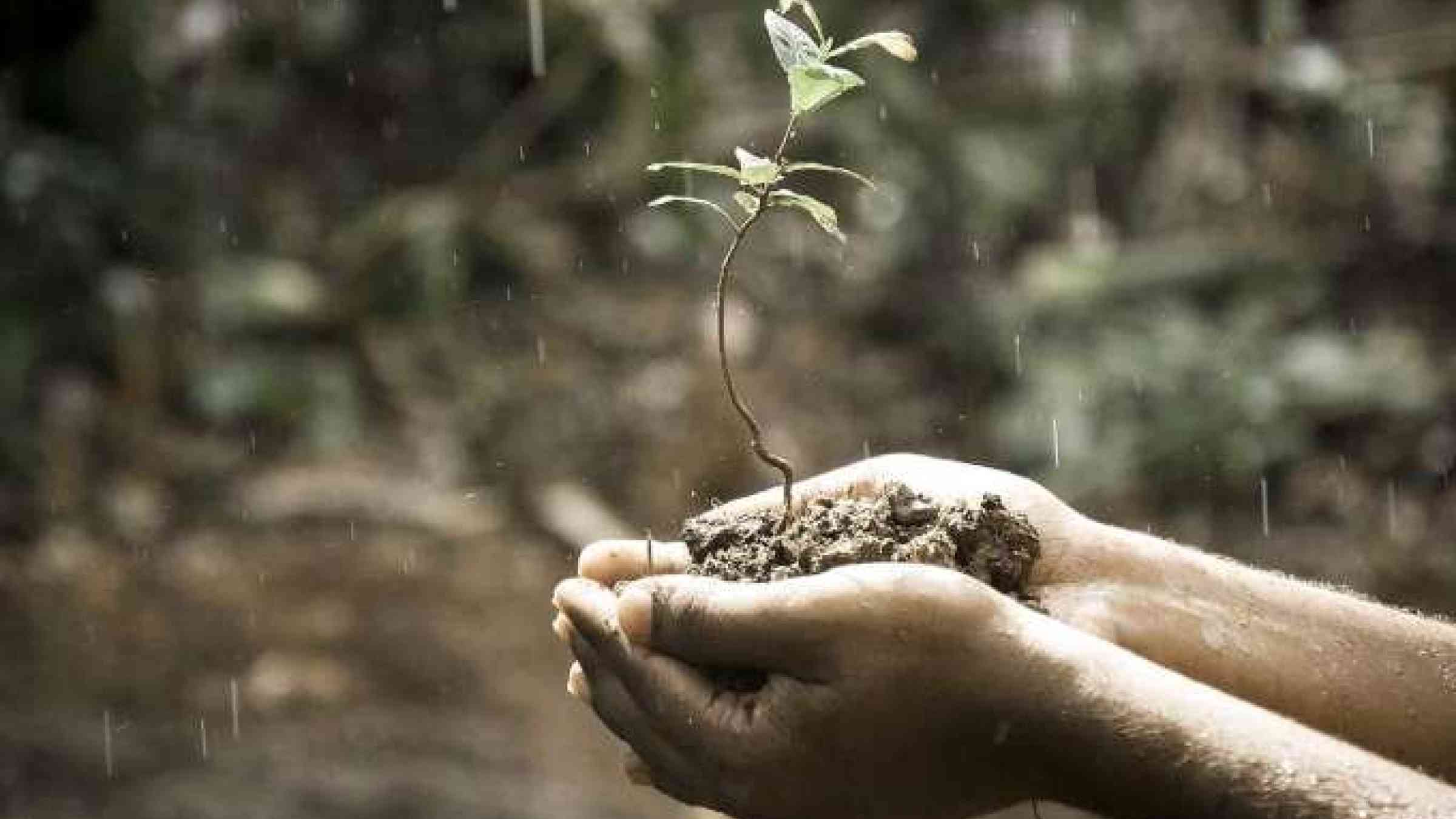
By building healthier soils, land managers across the United States can increase human safety and protect critical infrastructure for all Americans when disaster events occur.
Wildfire suppression costs for this fiscal year in the United States have exceeded $2 billion, making 2017 the most expensive year on record. The high increase in costs has also resulted in the Forest Service borrowing from the fire prevention budget, prompting calls to Congress to have major fires covered by emergency funds.

This technical bulletin contains information and resources designed to help agricultural producers, service providers, and educators in the Midwest and Northeast regions of the United States integrate climate change considerations and action-
Voluntary Commitments
The organization has no registered commitments.
The Sendai Framework Voluntary Commitments (SFVC) online platform allows stakeholders to inform the public about their work on DRR. The SFVC online platform is a useful toolto know who is doing what and where for the implementation of the Sendai Framework, which could foster potential collaboration among stakeholders. All stakeholders (private sector, civil society organizations, academia, media, local governments, etc.) working on DRR can submit their commitments and report on their progress and deliverables.