Items: 218
Martin Sajdik, the President of the Economic and Social Council said, 'As a 'least developed country', Nepal can ill afford these setbacks on its path to sustainable development.' He stressed that the tragedy in Nepal underlined the need to make disaster risk reduction a critical component of the post-2015 development agenda. 'The Sendai Framework for Disaster Risk Reduction 2015-2030 stressed that: 'It is urgent and critical to anticipate, plan for and reduce disaster risk in order to more effectively protect persons, communities and countries,''...
UN Deputy Secretary-General Jan Eliasson...warned that in a period of 'intensifying disasters, both man-made and natural,' social and economic stresses related to water supply would increasingly flare up, spawning tensions between communities and nations. His remarks come as Member States prepare to roll out a post-2015 development agenda...which may also touch upon issues of issues of water governance and quality to wastewater management and the prevention of natural disasters....
With extreme weather and changing climatic patterns taking a heavier toll on the planet, mitigating and adapting to them remains 'among the great tests of our time,' Secretary-General Ban Ki-moon said today, as he stressed the need for timely, reliable information to further strengthen resilience...
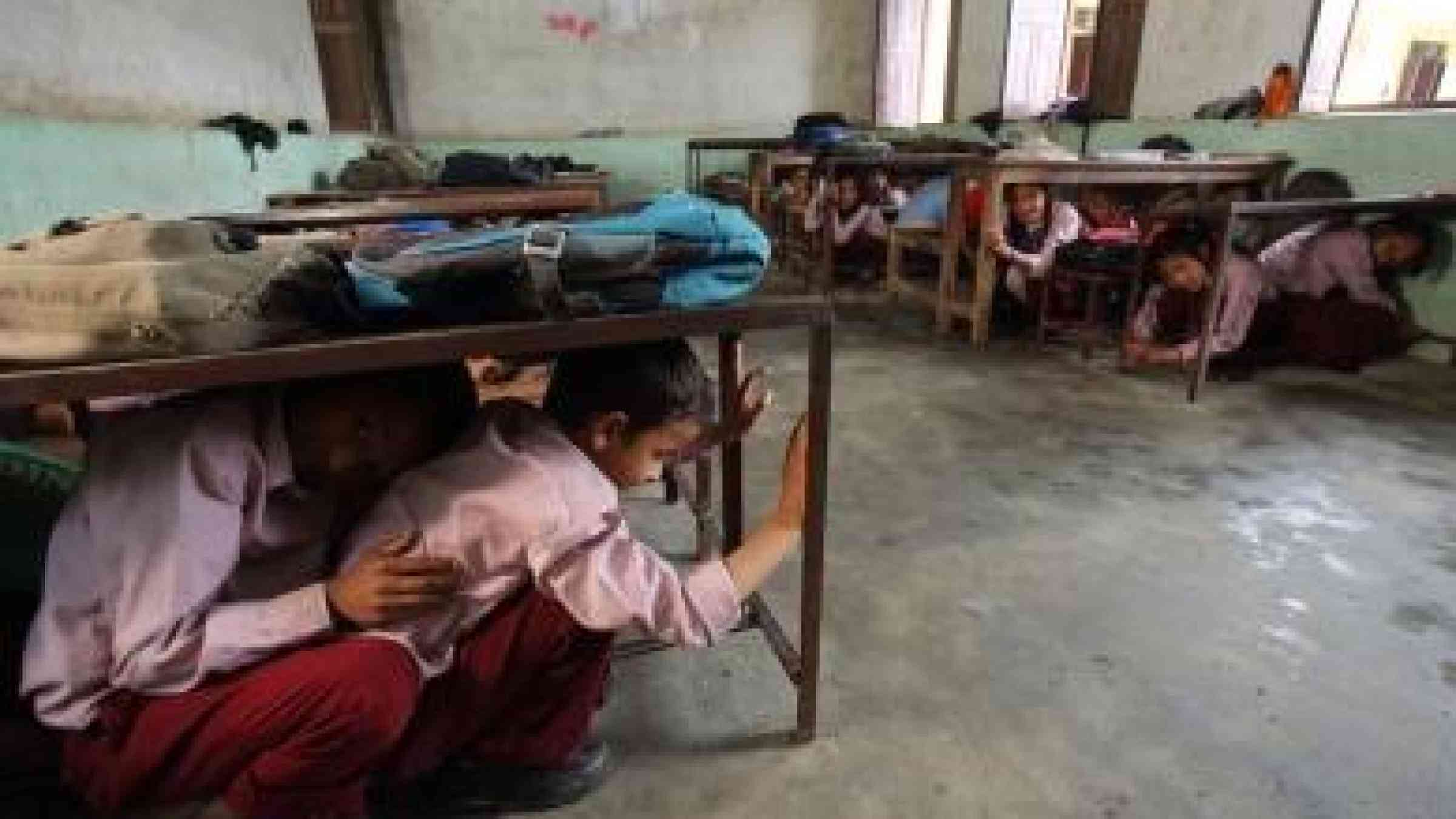
Implementation of the Sendai Framework over the next 15 years will require strong commitment and political leadership and will be vital to the achievement of future agreements on sustainable development goals and climate later this year, said Margareta Wahlström, head of the UN Office for Disaster Risk Reduction (UNISDR)...
'Young people and children are not coming to [intergovernmental negotiations] to be cool,' said Ahmad Alendhawi, UN Special Envoy for Youth, explaining that boosting youth participation has been a major shift in the way the United Nations is doing business...
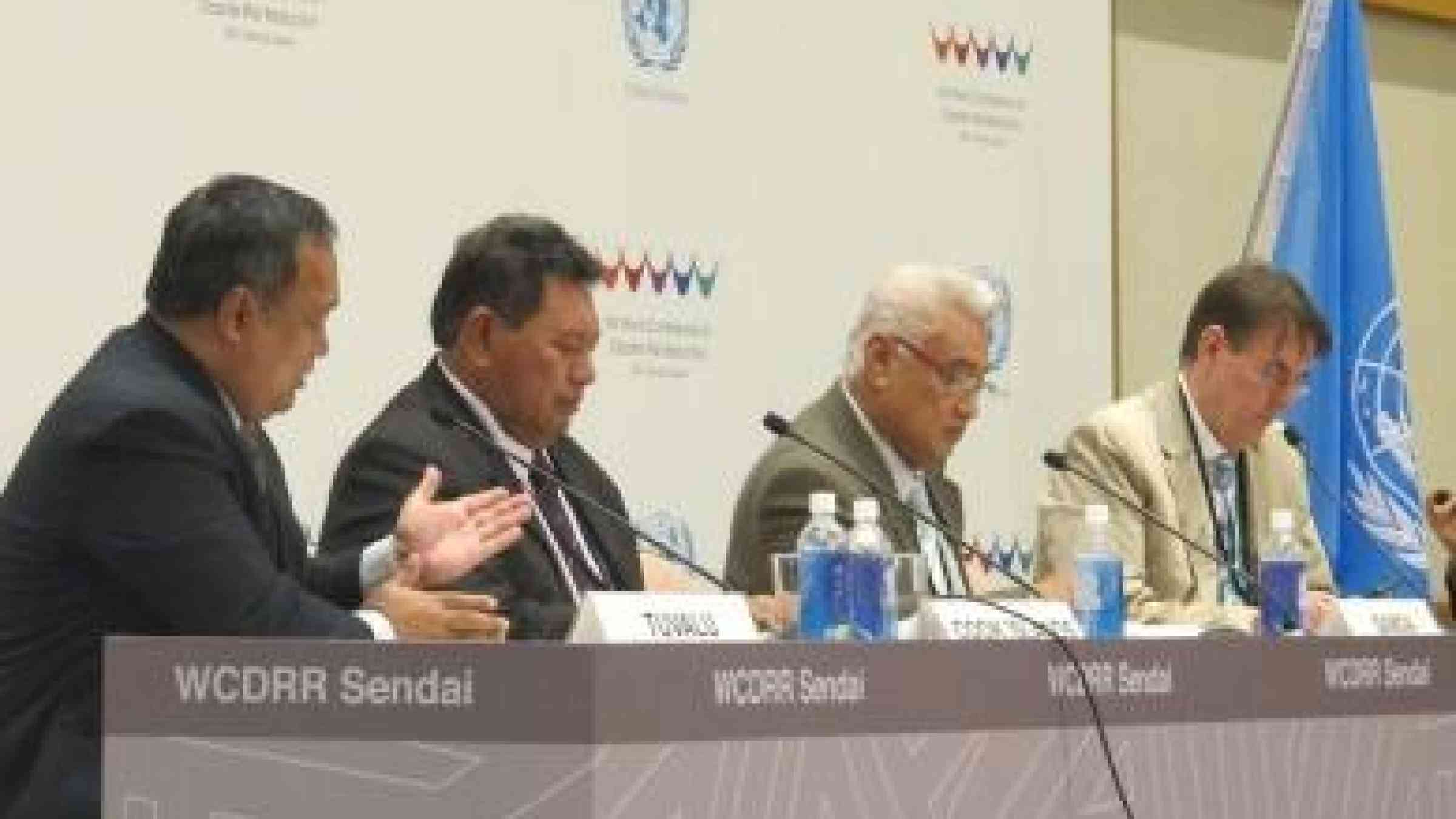
Aunese Makoi Simati, Tuvalu's Ambassador to the UN: “The issue of disaster risk reduction is very close to our hearts – from [Sendai] to Christchurch and the Pacific Islands, we are all in the most disaster-prone region on earth”...
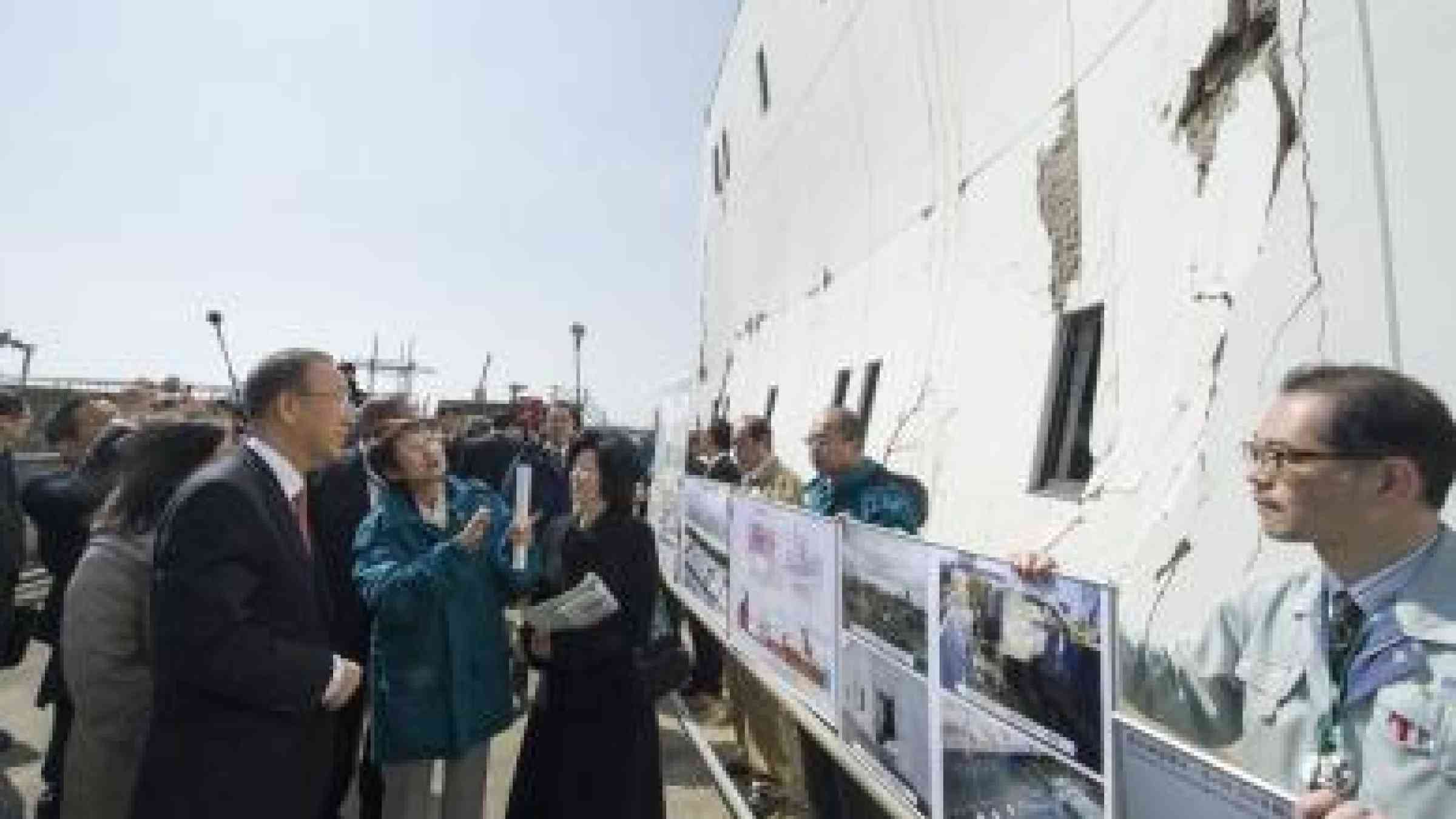
“Resilient recovery means protecting societies against the worst damage from future disasters. The money spent is not a cost – it is a valuable investment,” said UN Secretary-General Ban Ki-moon in remarks at a Tohoku University symposium, Lessons Learned from the Great East Japan Earthquake...
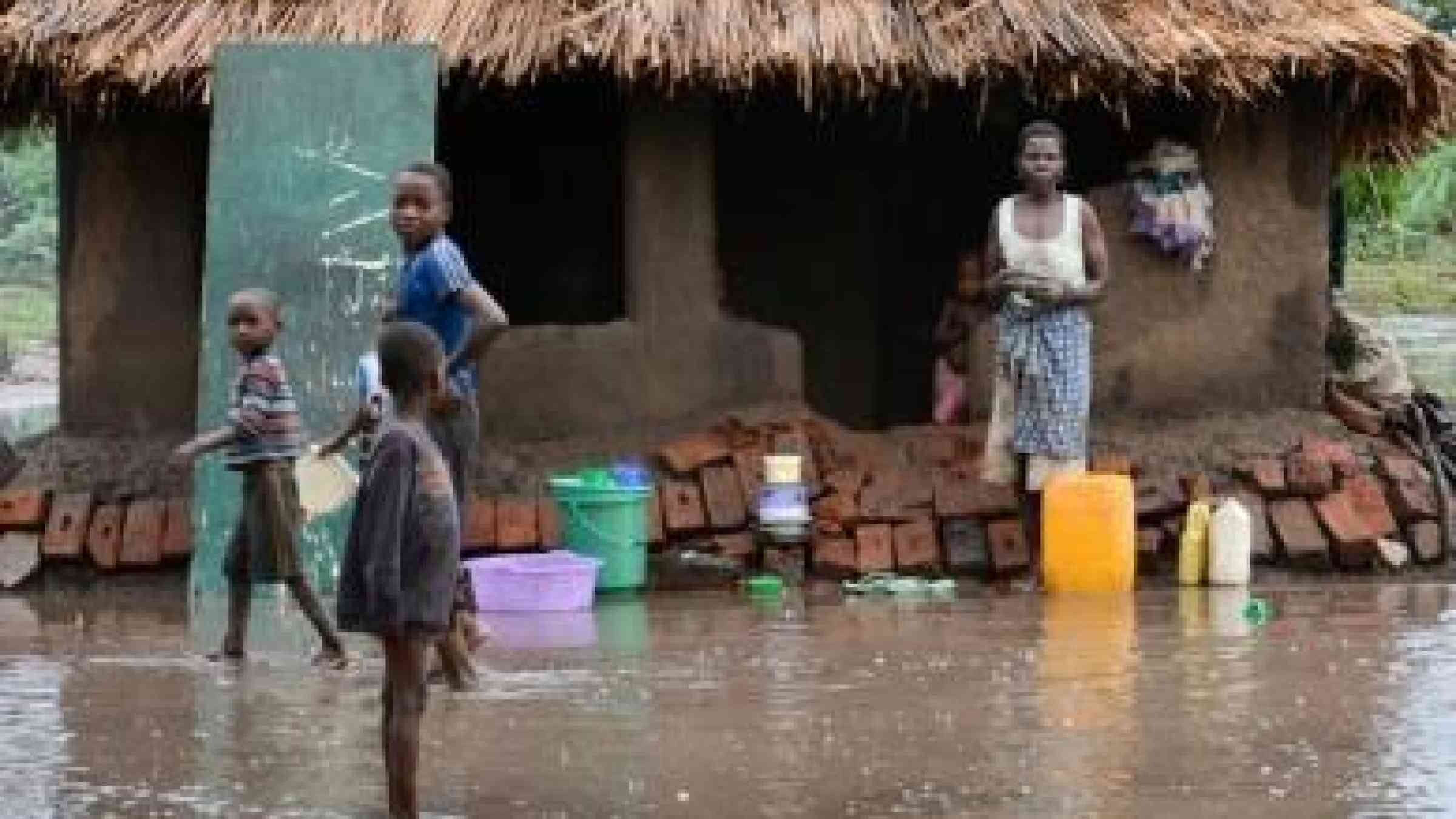
'This framework is very different from what we saw in Hyogo because its not just about protecting people's health but the recognition that health is at the very centre of disaster risk reduction,' said Dr. Bruce Aylward, Assistant Director General for Emergencies at the UN World Health Organization (WHO). WHO is uniquely placed within the UN system to ensure the new framework deals effectively with health matters...
Voluntary Commitments
The organization has no registered commitments.
The Sendai Framework Voluntary Commitments (SFVC) online platform allows stakeholders to inform the public about their work on DRR. The SFVC online platform is a useful toolto know who is doing what and where for the implementation of the Sendai Framework, which could foster potential collaboration among stakeholders. All stakeholders (private sector, civil society organizations, academia, media, local governments, etc.) working on DRR can submit their commitments and report on their progress and deliverables.