United Nations Conference on Trade and Development (UNCTAD)
Mission
Established in 1964, UNCTAD promotes the development-friendly integration of developing countries into the world economy. UNCTAD has progressively evolved into an authoritative knowledge-based institution whose work aims to help shape current policy debates and thinking on development, with a particular focus on ensuring that domestic policies and international action are mutually supportive in bringing about sustainable development.
The organization works to fulfil this mandate by carrying out three key functions:
- It functions as a forum for intergovernmental deliberations, supported by discussions with experts and exchanges of experience, aimed at consensus building.
- It undertakes research, policy analysis and data collection for the debates of government representatives and experts.
- It provides technical assistance tailored to the specific requirements of developing countries, with special attention to the needs of the least developed countries and of economies in transition. When appropriate, UNCTAD cooperates with other organizations and donor countries in the delivery of technical assistance.
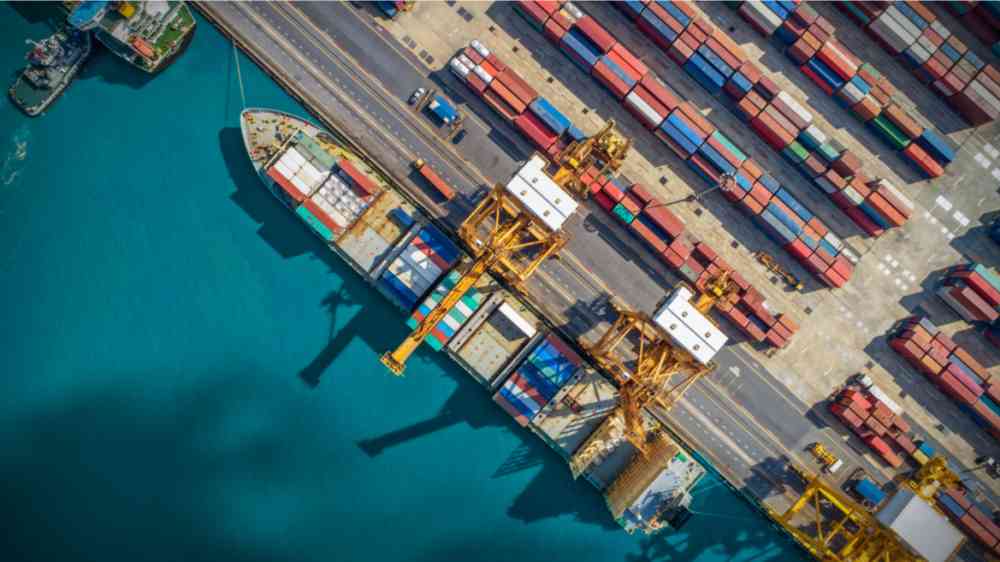
- Three technical sessions on 'Climate Change Adaptation, Resilience Building and Disaster Risk Reduction for Ports' were held as part of the 1st UN Global Supply Chain Forum, convened by UNCTAD in collaboration with the Government of Barbados, in May 2024 with a focus on SIDS. Discussions:
- emphasised the criticality of ports in the context of disaster response and recovery, and the importance of understanding multi-hazard risks, fostering partnerships, and integrating disaster risk reduction proactively into broader policy frameworks to mitigate the impacts of disasters and ensure sustainable development
- called for action to prioritize DRR and CCA for ports to avoid extensive social, economic, and developmental costs of inaction
- advocated for better funding of regional entities like CDEMA and the importance of collective efforts, with the Port Management Association of the Caribbean highlighting in this context the effectiveness of related UNCTAD capacity-building (https://SIDSport-ClimateAdapt.unctad.org) in strengthening preparedness among ports in the region.
- Production, launch and dissemination of The Least Developed Countries Report 2024 - Leveraging carbon markets for sustainable development. As the world confronts intertwined climate and finance crises while seeking to advance on the Sustainable Development Goals (SDGs), carbon markets are increasingly seen as key drivers of climate ambition and capital flow. The examines how these markets could bridge gaps between economic growth and climate action in LDCs and mobilize capital for sustainable development. It makes clear that while carbon markets offer promise, they are not a substitute for official development assistance or climate finance. Instead, they serve as one of many tools to support LDCs' green structural transformations and global emissions goals. Using data-driven analysis and case studies, the report provides a roadmap for LDCs and their development partners to unlock the potential of carbon markets for sustainable growth.
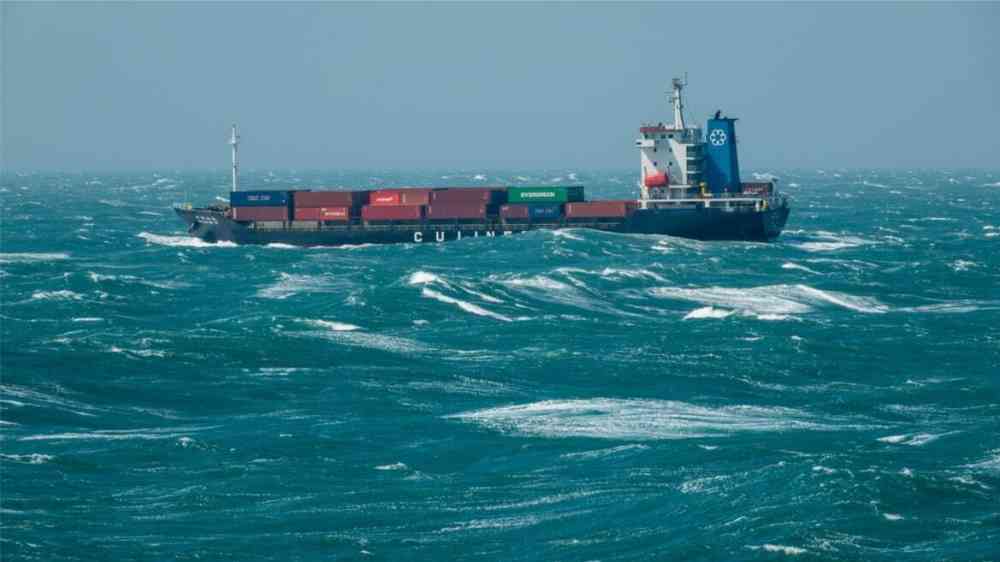
- The annual UNCTAD flagship Review of Maritime Transport 2024 - Navigating maritime chokepoints, chapter 5, provides original analysis of the important commercial law implication of weather and climate-related risks to maritime infrastructure and operations, which have so far not been considered as part of the public debate. It highlights the extensive economic costs and sustainable development implications of operational disruption and delay in ports affecting the performance of commercial trade and transport contracts across global supply-chains, as well as the urgent need for the development of effective contractual approaches to commercial risk allocation; and provides a number of related recommendations for industry stakeholders and policymakers.
- The annual UNCTAD SDG Pulse highlights the importance of climate change adaptation for ports for implementation of the 2030 Agenda as a whole, and SDG 1.5, 9, 13 and 14.7 in particular. Ports are critical for global trade, access to the ocean economy and disaster response and recovery, but at considerable risk of climate impacts, with implications for supply chains and the sustainable development prospects of SIDS and other vulnerable nations. The publication highlights the urgent need for risk-assessments, technical adaptation measures, development of supportive policy and legal frameworks, as well as upscaling affordable transport infrastructure adaptation finance and capacity-building for developing countries, in particular those most vulnerable. Investments in resilient infrastructure yield high returns, but current adaptation funding is insufficient . Collaborative efforts between policymakers, development partners, and financial institutions are needed to bridge the gap and ensure sustainable port operations.
- Continued active contribution to the work of the UNECE IG Group of Experts on Assessment of Climate Change Impacts and Adaptation for Inland Transport, including preparation of a draft chapter on Policies and legislation for acting on adaptation of climate change in transport for inclusion in the Final report of the EG. Drawing on related peer-reviewed research by UNCTAD and multidisciplinary collaborators, the chapter analyses existing international and regional policy and legal frameworks in support of critical transport infrastructure adaptation and DRR, highlighting important legal developments at the EU level which could provide a useful example to policymakers elsewhere, as well as the importance of addressing the implications of extreme weather and climate change for key commercial contracts in order to avoid extensive economic losses arising from operational disruptions and delay and ensure a balanced allocation of related commercial risks.
- Co-organization, with other UN-Oceans agencies, of an official UNS side event at COP 29, focusing on scaling up ocean action in the next round of NDCs. Drawing on related UNCTAD analysis of existing NDCs, as well as on other research and data, the UNCTAD intervention highlighted key issues for action in particular by SIDS, including a need for greater integration of specific measures that support the sustainability and resilience of the ocean-economy and adaptation and DRR for ports and other critical coastal infrastructure.
Voluntary Commitments
The Sendai Framework Voluntary Commitments (SFVC) online platform allows stakeholders to inform the public about their work on DRR. The SFVC online platform is a useful toolto know who is doing what and where for the implementation of the Sendai Framework, which could foster potential collaboration among stakeholders. All stakeholders (private sector, civil society organizations, academia, media, local governments, etc.) working on DRR can submit their commitments and report on their progress and deliverables.
