
Items: 7

We must continue to strengthen multi-hazard early warning systems in the Caribbean, through efforts such as the recently announced Climate Risk Early Warning Systems (CREWS) Caribbean 2.0 project.
According to chairman of the Association of Caribbean States (ACS) Special Committee for DRR, Therese Marianne-Pepin, about Euro $200m have been budgeted for the ACS, 25% of which will be allocated to work on natural hazards and its consequences. According to the report, early warning systems are being looked at...
'In my opinion, I think we are much better ready than we were last year as a country. We really co-ordinate the activities of all the agencies that are supposed to be ready and in our opinion they have improved significantly since last year,' said CEO of the Office of Disaster Preparedness and Management (ODPM), Dr Stephen Ramroop...
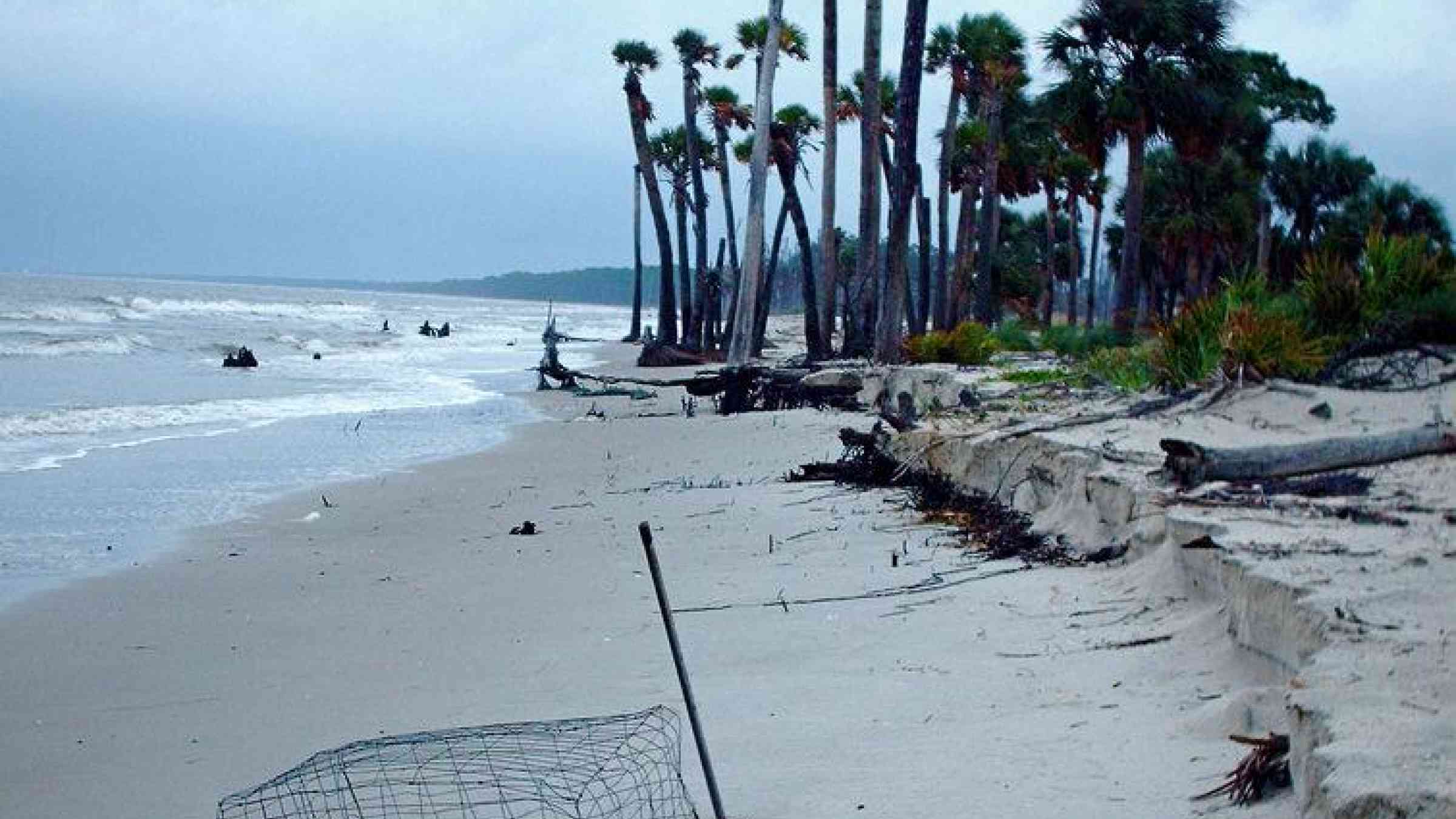
FAO grants Saint Lucia and Saint Vincent and the Grenadines livelihood rehabilitation and resilience building assistance, including an evaluation of disaster risk management (DRM) systems and proposal to build resilience in vulnerable populations by strengthening the capacities of institutions and civil society organizations...
Those caught in conflict and natural disasters are part of growing trend exemplified by Syria, South Sudan and the Philippines, wites David Milband, president and CEO of International Rescue Committee, for the Guardian...
Disaster management co-ordinator Phillip Ramdass will be conducting sessions preparing children and young people in the Sangre Grande area to deal with disaster. It coincides with the theme of International Day of Disaster Risk Reduction on October 13...

Trinidad and Tobago Red Cross continues to partner with local communities to improve their preparation to deal with disasters as they live in an isolated part of the island, "if we protect the climate we will have fewer disasters,"...
Voluntary Commitments
The organization has no registered commitments.
The Sendai Framework Voluntary Commitments (SFVC) online platform allows stakeholders to inform the public about their work on DRR. The SFVC online platform is a useful toolto know who is doing what and where for the implementation of the Sendai Framework, which could foster potential collaboration among stakeholders. All stakeholders (private sector, civil society organizations, academia, media, local governments, etc.) working on DRR can submit their commitments and report on their progress and deliverables.