
Items: 10
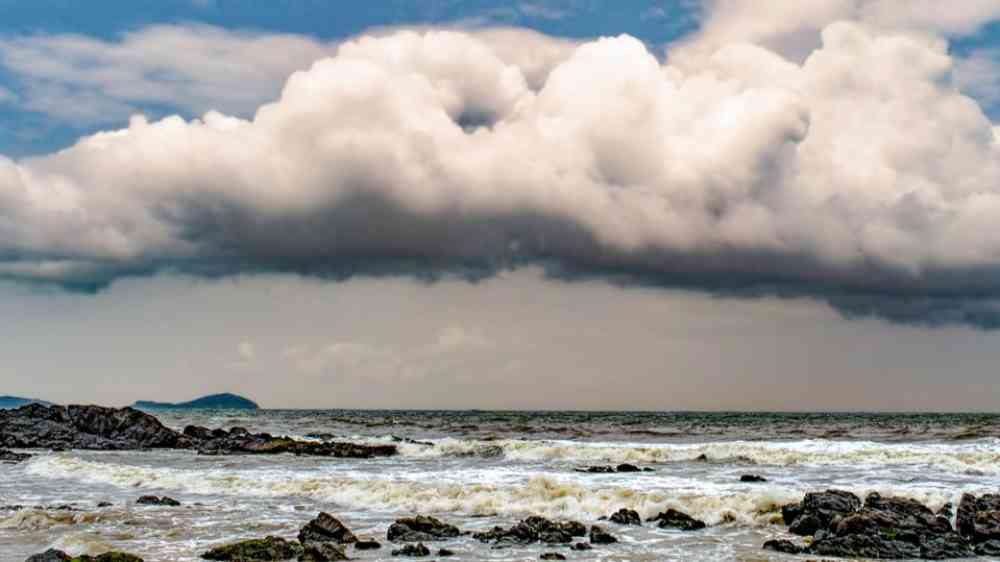
Scientists do expect rising global temperatures to influence the weather patterns known as La Niña and El Niño. Much will depend on the many other variables that play a part in our daily weather and long-term climate.
The CCHRC is designing for an uncertain future. “If we cannot predict what the climate is going to do, then all of our architecture should be adapted,” says Aaron Cooke, who leads the Sustainable Northern Communities Program at the CCHRC/NREL.
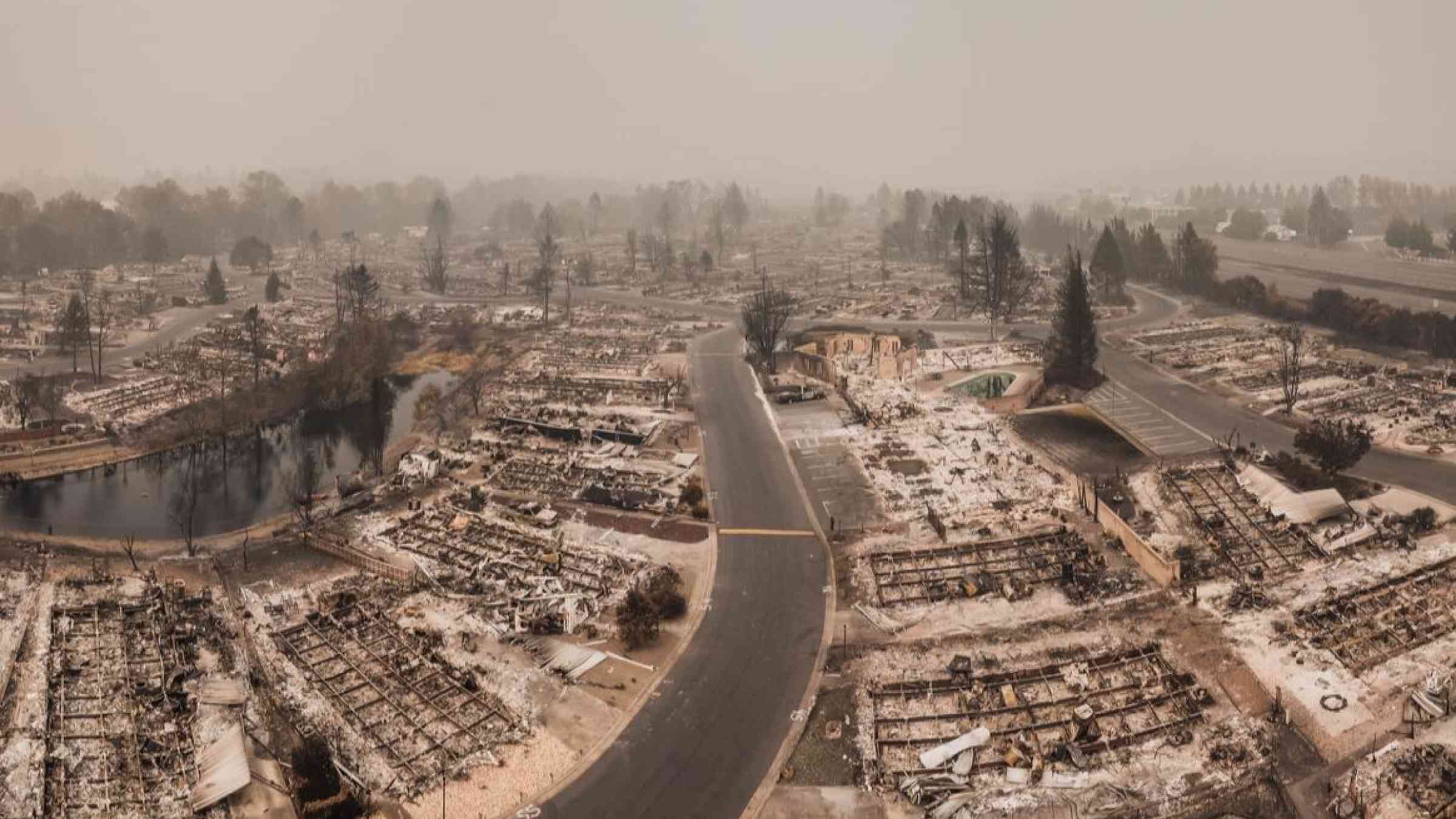
The Almeda Fire quickly engulfed entire neighbourhoods. Especially hard hit were low-income residents, who've struggled to find affordable housing.
New research finds that the sedimentary basin under Seattle can amplify the type of ground motion that’s hardest on high-rises by a factor of two to five — much more than previous estimates. Stronger shaking also raises concerns about older high-rises, many built before sufficient building standards were definitively implemented.
A new analysis of potential damage from a Cascadia megaquake finds that even moderate seismic upgrades to older commercial buildings would significantly reduce the number of people killed or injured and the level of property damage.
The rising South China Sea and the overstressed Pearl River network lie about 3 feet or so below much of this new multitrillion-dollar development — and they are poised to drown decades of progress, scrambling global supply chains and raising prices on goods.
Upgrades to Mount Rainier detection and early warning systems aim to increase evacuation time for southeastern Puget Sound residents in potential paths of a massive volcanic mudflow, giving people between 40 minutes and three hours to reach high ground. The changes would also produce more accurate and shareable data for seismologists and volcanologists.
The largest disaster drill ever conducted in the Pacific Northwest, "Cascadia Rising," found that despite decades of warnings, the region remains dangerously unprepared to deal with a Cascadia megaquake and tsunami. Washington state officials called their own response plans “grossly inadequate.” A lack of resources is a recurring theme in these post-mortem reviews.
Voluntary Commitments
The organization has no registered commitments.
The Sendai Framework Voluntary Commitments (SFVC) online platform allows stakeholders to inform the public about their work on DRR. The SFVC online platform is a useful toolto know who is doing what and where for the implementation of the Sendai Framework, which could foster potential collaboration among stakeholders. All stakeholders (private sector, civil society organizations, academia, media, local governments, etc.) working on DRR can submit their commitments and report on their progress and deliverables.
Contact information
Fax:
+358 718 788 466