
Items: 14
To make good on ambitious decarbonization and adaptation promises, municipal leaders will require scaled-up tools to collect and analyze the information they need.
As countries emerge from COVID-19, leaders can shape their legacies and set humanity on a safer course by ramping up investments in disaster preparedness.
Investment in goat markets can boost climate resilience for farmers in vulnerable regions. Goats are low-maintenance, hardy, and the demand for goat meat is booming.
The risk of epidemics will increase as climate change spurs disasters, but strengthening primary health care is not a priority on the climate agenda.
Ban Ki-moon, Secretary-General of the United Nations, has stressed that it is time to stop addressing development and humanitarian emergencies separately in an opinion piece on Project Syndicate. He urges that starting our international calendar with the Third UN World Conference on Disaster Risk Reduction (WCDRR) in Sendai sends a clear signal that the world is ready to integrate its strategies...
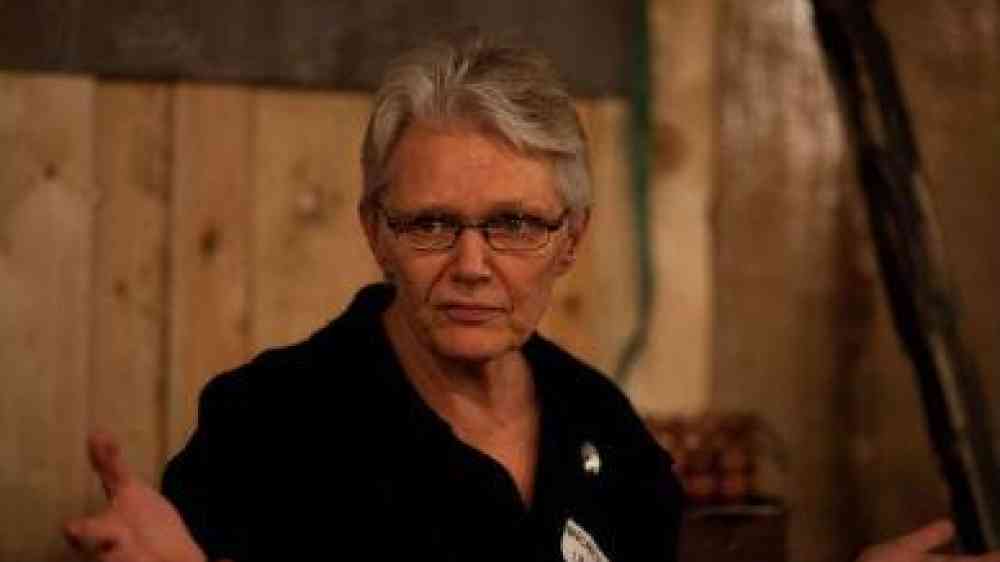
In two months, UN member states will gather for the third World Conference for Disaster Risk Reduction in another Japanese city synonymous with disaster risk: Sendai – the center of the Tōhoku region, which bore the brunt of the 2011 earthquake and tsunami that led to the Fukushima nuclear meltdown...
International support on adaptation – incorporating financing, technology, and knowledge – could go a long way toward advancing countries’ sustainable-development aspirations. World leaders should recognize this – and establish adaptation as an integral part of the global climate-change agreement to be reached in Paris...
'The argument for investing in disaster preparedness is simple. If countries expect to experience natural hazards, such as violent storm seasons or major earthquakes, then investing time and resources in preparing for shocks will save lives and protect communities from other losses,' writes Helen Clark in his opinion piece in the Oman Times...
Voluntary Commitments
The organization has no registered commitments.
The Sendai Framework Voluntary Commitments (SFVC) online platform allows stakeholders to inform the public about their work on DRR. The SFVC online platform is a useful toolto know who is doing what and where for the implementation of the Sendai Framework, which could foster potential collaboration among stakeholders. All stakeholders (private sector, civil society organizations, academia, media, local governments, etc.) working on DRR can submit their commitments and report on their progress and deliverables.