
PLOS ONE
Academic & Scientific
Mission
Items: 20
This research assesses the vulnerability of municipalities in Nicaragua's North Caribbean Coast Autonomous Region (RACCN) to address persistent gaps in the systematic analysis of its vulnerability despite its long history of exposure.
This study sought to obtain precise and reliable references for the prevention of landslide, and a total of 10 landslide conditioning factors were selected for multicollinearity analysis.

This article predicts the structural damage caused by the surface rupture effect of active faults.

This study investigates the understudied issue of user-centric cultural viewpoints, inspired by Grid-Group Cultural Theory, and their potential impact on crisis management.
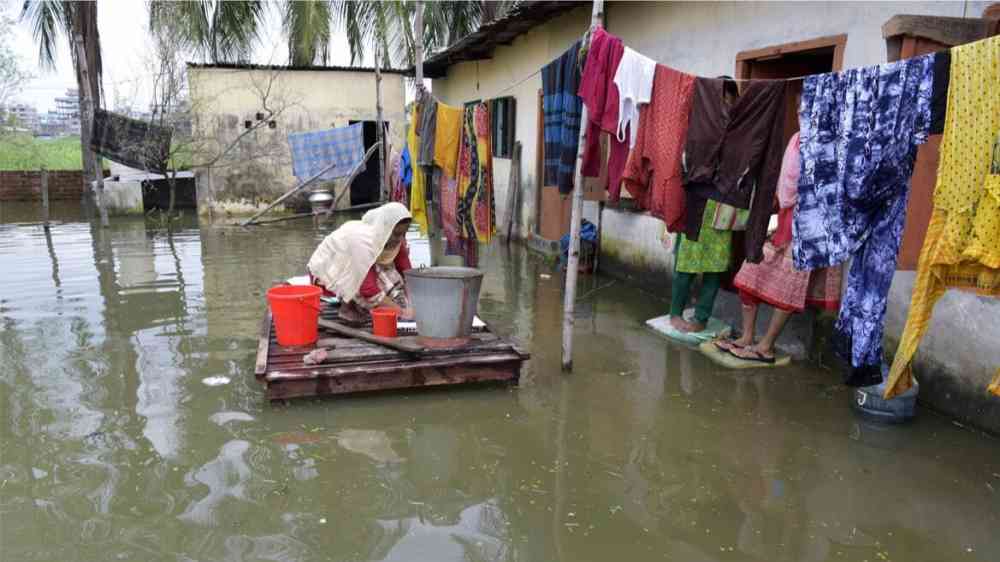
Rising sea levels can cause an increase in the salt concentration of the underlying aquifer, in turn, possibly increasing the release of arsenic from sediments into the drinking well water by the salt effect.
In this study, the authors conducted a systematic review to identify and assess interventions that have sought to counter conspiracy beliefs.
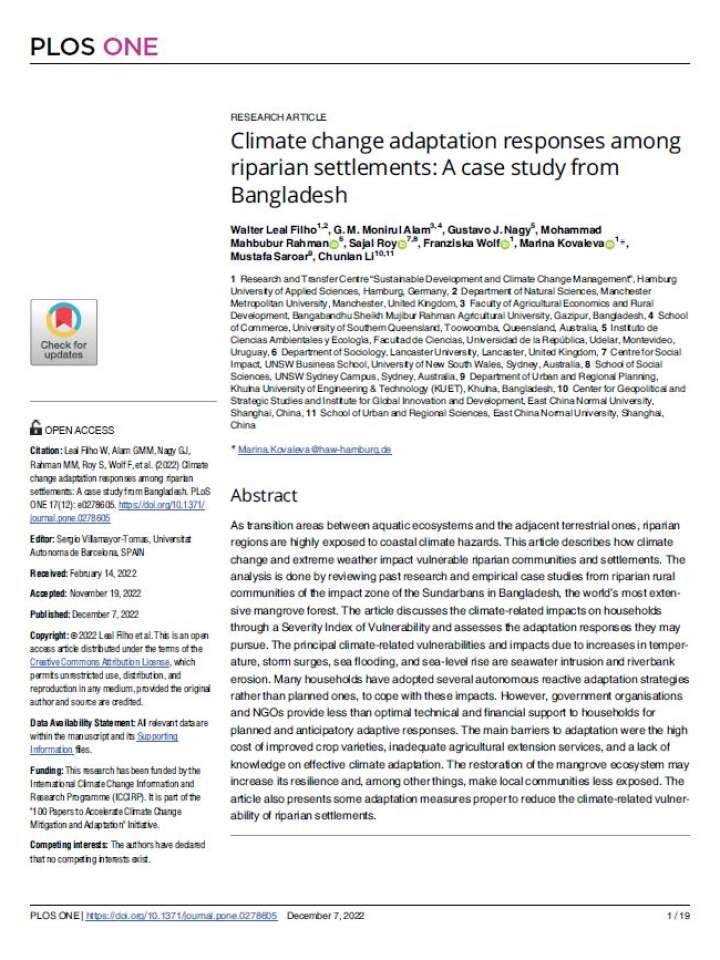
This article describes how climate change and extreme weather impact vulnerable riparian communities and settlements in Bangladesh.
This study aims to explore the changes in mortality due to ischemic heart disease (IHD) and their associations with natural disasters at the global level.
Voluntary Commitments
The organization has no registered commitments.
The Sendai Framework Voluntary Commitments (SFVC) online platform allows stakeholders to inform the public about their work on DRR. The SFVC online platform is a useful toolto know who is doing what and where for the implementation of the Sendai Framework, which could foster potential collaboration among stakeholders. All stakeholders (private sector, civil society organizations, academia, media, local governments, etc.) working on DRR can submit their commitments and report on their progress and deliverables.