Items: 19
On 30 January 2020 the Premier announced an Inquiry into the 2019-20 bush fire season in New South Wales (NSW), Australia to make recommendations in relation to bush fire preparedness and response and to report by 31 July 2020, ahead of the 2020-2

In 2019, the University of New South Wales commissioned a study titled 'MyCoast NSW study: New South Wales community perceptions of coastal erosion and inundation'.
The CAPS project aimed to reimagine Sydney’s bus shelters as Climate Adapted People Shelters through an open innovation design competition.
When disaster strikes, the New South Wales Critical Infrastructure Resilience Strategy will help to keep the lights on, water running, and transport moving. Among other benefits, the strategy will improve emergency management, lower reconstruction costs, enhance public warning messages and community preparedness, and offer better long-term climate adaptation.
The New South Wales (NSW) Critical Infrastructure Resilience Strategy encourages leaders in business and government to support the NSW community by improving critical infrastructure resilience (CIR) across NSW.
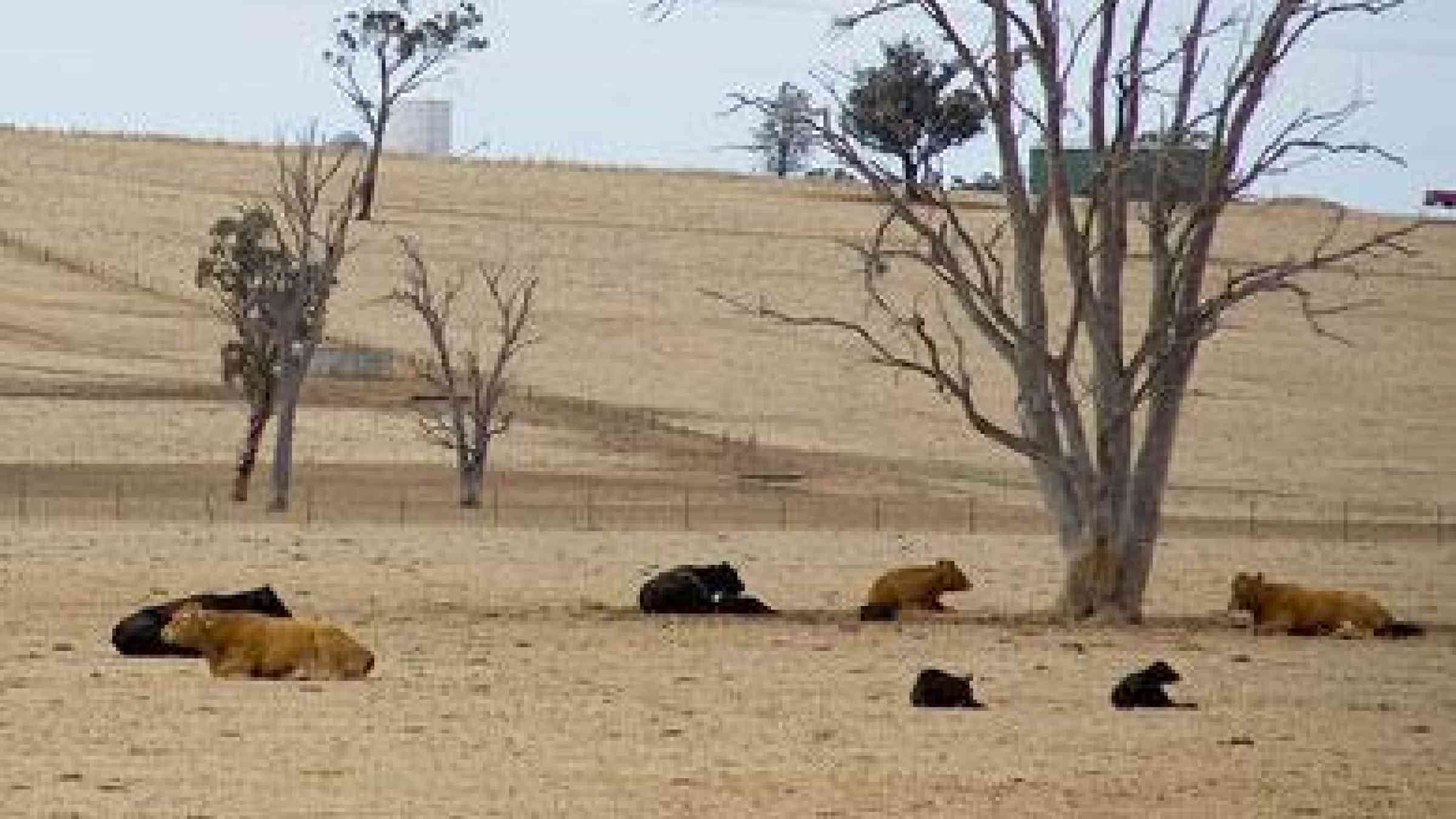
To assist primary producers become more resilient and better prepared for droughts, the New South Wales (NSW) Government has unveiled a $300 million drought package. ‘Our policy provides short term assistance for those in need, but also puts in place a long-term, fully-funded strategy to enable primary producers to become more resilient and productive’…
A free and fully catered non-accredited course delivered by Volunteering Queensland Inc, in partnership with NSW State Emergency Service, Greater Taree City Council and NSW Rural Fire Service.
The course is taught by industry experts, including those from DECC, NSW State Emergency Service, Local Government and consultancy this course shows how to develop and implement floodplain risk management (FRM) in accordance with the Floodplain De
Voluntary Commitments
The organization has no registered commitments.
The Sendai Framework Voluntary Commitments (SFVC) online platform allows stakeholders to inform the public about their work on DRR. The SFVC online platform is a useful toolto know who is doing what and where for the implementation of the Sendai Framework, which could foster potential collaboration among stakeholders. All stakeholders (private sector, civil society organizations, academia, media, local governments, etc.) working on DRR can submit their commitments and report on their progress and deliverables.
Contact information
Fax:
+54-11-4814-3664