
Items: 8
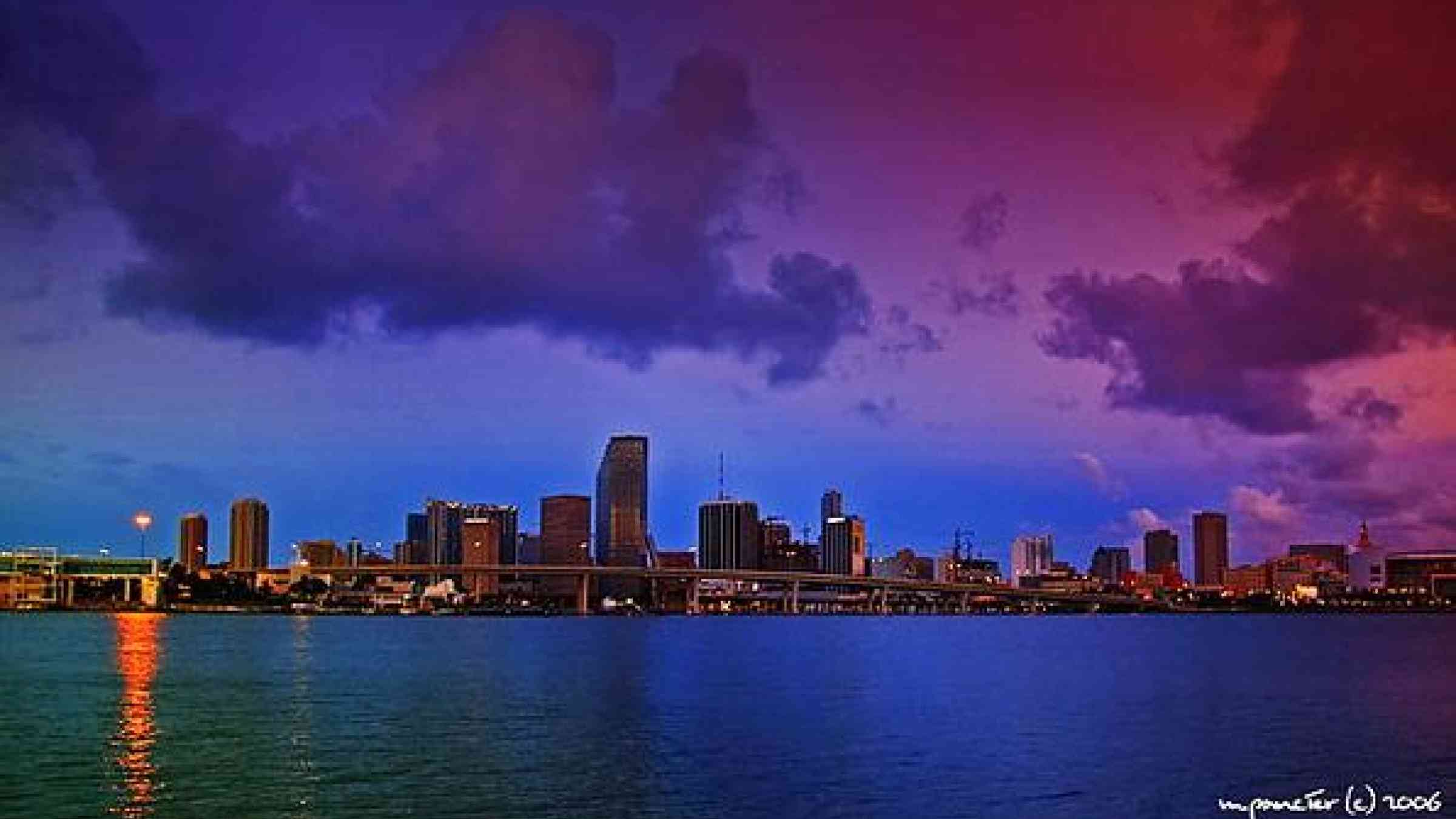
A University of Miami study found 35 luxury condos and hotels in Miami sinking up to 3 inches (2016–2023). Experts cite climate change, sea-level rise, and construction as factors, raising concerns about structural safety.
For the first time, water managers set out to analyze how climate change is affecting canals, pumps and the many structures that control water flows in South Florida.
Florida hired its first mental health coordinator for recovery efforts after hurricanes and other disasters, which was the first statewide position of its kind in the US.
Miami's Mayor, Francis Suarez, plans to offset the negative publicity associated with climate change by shifting the focus from the city's vulnerability to its risk reduction efforts. Such efforts are aimed at ensuring investors and residents are not scared away.
With Congress not reforming the National Flood Insurance Program, Florida's engagement with the private sector for insurance policies can serve as a model for other states. The number of private companies offering flood insurance and better pricing has more than doubled in the past two years, in part because of Florida's flexible and consumer-focused laws.
'In order to plan for natural disasters, there are different categories. You have to know what’s coming and then there’s stuff like the tsunami that nobody saw coming. So we kind of changed our mindset about it, knowing events can be big and we might not even see them on the radar screen'...
In a new book titled 'Fukushima', two scientists, a Pulitzer Prize-winning journalist and the Union of Concerned Scientists, an environmental group, recount the unlikely story of an earthquake that unleashed a tsunami that caused three nuclear meltdowns...
Joseph Myers, who was Florida’s emergency manager from 1993-2001, addresses the need for a national strategy in the Miami Herald: 'one that is rooted in strong building codes that can help mitigate the impact of major storms.'(...)
Voluntary Commitments
The organization has no registered commitments.
The Sendai Framework Voluntary Commitments (SFVC) online platform allows stakeholders to inform the public about their work on DRR. The SFVC online platform is a useful toolto know who is doing what and where for the implementation of the Sendai Framework, which could foster potential collaboration among stakeholders. All stakeholders (private sector, civil society organizations, academia, media, local governments, etc.) working on DRR can submit their commitments and report on their progress and deliverables.
Contact information
Fax:
+998 711398463