
Items: 10

The Act establishes a framework for disaster risk management, reducing vulnerability, coordinating national and local responses, and promoting disaster resilience through planning, cooperation, and integration of climate risk reduction measures.

The National Climate Change and Health Policy and Revised Action Plan of the Republic of the Marshall Islands outlines strategies to strengthen health resilience against climate change impacts.
The national disaster risk management arrangements (NDRMA) provide the structure to enable the continuous identification, monitoring and assessment of current as well as possible future hazards and vulnerabilities and manage associated risks in a
To better respond to new and evolving public health threats, the Government of the Marshall Islands has convened representatives from government agencies, civil society and local communities to assess its current capacity to prevent, reduce and respond to health threats required under the International Health Regulations.
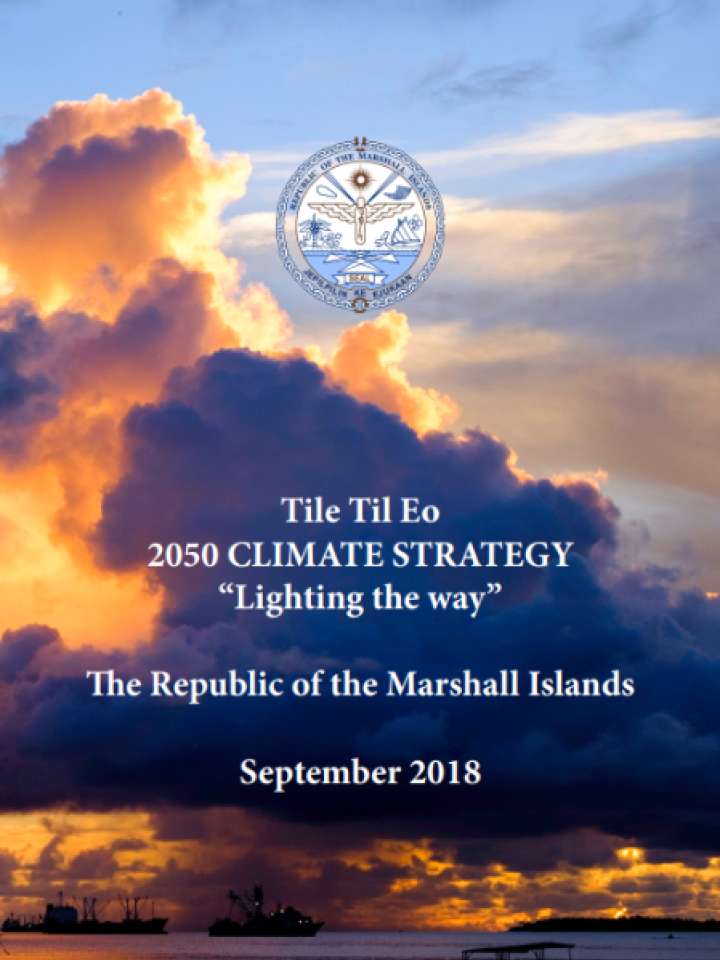
The purpose of this 2050 Climate Strategy is to outline a long-term pathway for RMI to achieve its objectives for net zero emissions and 100% renewable energy, as well as to facilitate adaptation and climate resilience.
This national action plan for disaster risk management (DRM NAP) sets out the vision, goals, objectives and actions for disaster risk management in the Marshall Islands. While disaster management to date has been largely the preserve of the N
The National Strategic Plan (NSP) of the Republic of the Marshall Islands (RMI) is designed as a framework to coordinate the articulated medium term development goals and objectives of the RMI government at the national level.
This Joint National Action Plan (JNAP) for Climate Change Adaptation and Disaster Risk Management provides a detailed strategy for holistically and co-operatively addressing risk in the Republic of the Marshall Islands (RMI).
Voluntary Commitments
The organization has no registered commitments.
The Sendai Framework Voluntary Commitments (SFVC) online platform allows stakeholders to inform the public about their work on DRR. The SFVC online platform is a useful toolto know who is doing what and where for the implementation of the Sendai Framework, which could foster potential collaboration among stakeholders. All stakeholders (private sector, civil society organizations, academia, media, local governments, etc.) working on DRR can submit their commitments and report on their progress and deliverables.