My account
Navigation loading…
  • Add
  • Your experience on PreventionWeb

    Please help us improve PreventionWeb by taking this brief survey. Your input will allow us to better serve the needs of the DRR community.

    See the survey

    Mailman School of Public Health (Columbia University)

    United States of America
    Academic & Scientific
    Propose an edit Upload your content

    Mission

    Since 1922, the Mailman School has been at the forefront of public health research, education, and community collaboration. Addressing everything from chronic disease to HIV/AIDS to healthcare policy, the School tackles today’s pressing public health issues, translating research into action.
    Show more
    Latest additions
    Items: 9
    Training event
    4 June 2025 - 6 June 2025
    Online
    Climate Change and Health Boot Camp: Building Skills and Knowledge for Effective Engagement
    The Climate Change and Health Boot Camp is a three-day intensive course designed to equip healthcare and public health professionals with the knowledge and skills needed to effectively address climate change in their work.
    The Climate Change and Health Boot Camp is a three-day intensive course designed to equip healthcare and public health professionals with the knowledge and skills needed to effectively address climate change in their work.
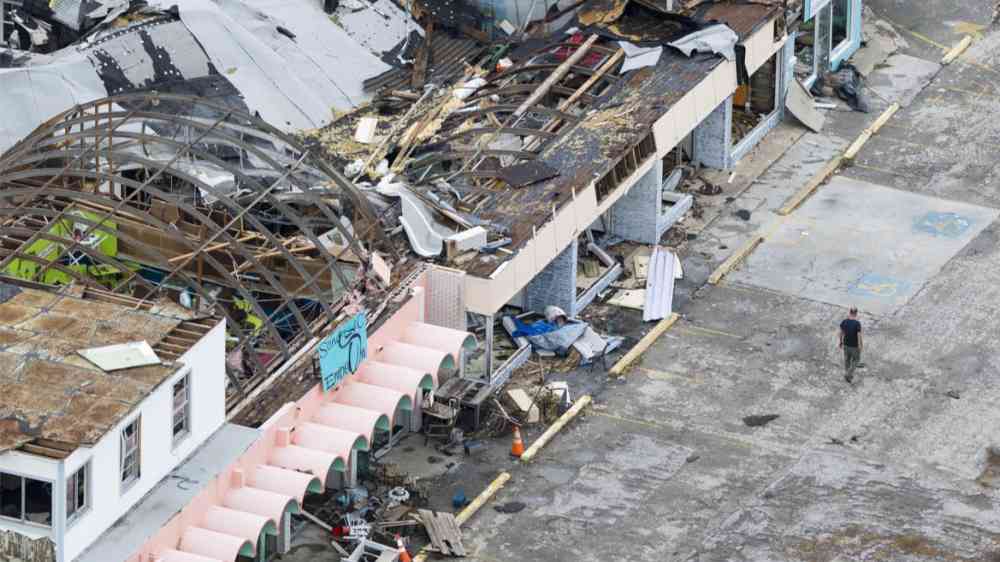
    An aerial view of damage caused by Hurricane Harvey in Texas, USA (2017)
    Research briefs
    16 August 2023
    Hurricanes have become deadlier, especially for socially vulnerable

    Landmark study in Science Advances reveals variation of excess deaths after hurricanes in the U.S. varied by hurricane season, geography, and social vulnerability.

    Mailman School of Public Health (Columbia University)
    Landmark study in Science Advances reveals variation of excess deaths after hurricanes in the U.S. varied by hurricane season, geography, and social vulnerability.
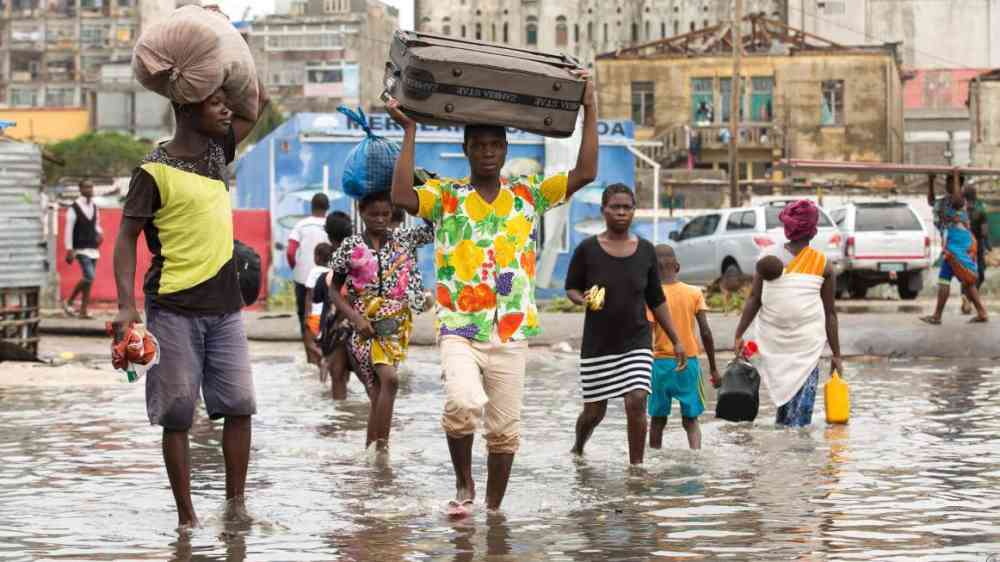
    Mozambique - aftermath of Tropical Cyclone Idai, 2021
    Research briefs
    30 November 2022
    Tropical cyclones on the rise in low-and middle-income countries yet remain least studied

    A new invited perspective from a researcher at Columbia University Mailman School of Public Health illustrates the increases in adverse public health outcomes following tropical cyclones, especially in communities with existing health conditions.

    Mailman School of Public Health (Columbia University)
    A new invited perspective from a researcher at Columbia University Mailman School of Public Health illustrates the increases in adverse public health outcomes following tropical cyclones, especially in communities with existing health conditions.
    United States National flags ant headstones in National cemetery
    Research briefs
    8 March 2022
    Hurricanes and other tropical cyclones linked to rise in U.S. deaths from several major causes

    Landmark study in Jama reveals potential hidden deadly cost of climate-related disasters to injuries, infectious and parasitic diseases, respiratory diseases, cardiovascular diseases, and neuropsychiatric disorders.

    Mailman School of Public Health (Columbia University)
    Landmark study in Jama reveals potential hidden deadly cost of climate-related disasters to injuries, infectious and parasitic diseases, respiratory diseases, cardiovascular diseases, and neuropsychiatric disorders.
    Research briefs
    30 December 2019
    Scientists link La Niña climate cycle to increased diarrhea

    The findings could provide the basis for an early-warning system that would allow public health officials to prepare as long as seven months ahead of time.

    Mailman School of Public Health (Columbia University)
    The findings could provide the basis for an early-warning system that would allow public health officials to prepare as long as seven months ahead of time.
    Research briefs
    24 January 2019
    Drought in Lesotho heightened HIV risk in girls

    New research reveals that teenage girls exposed to severe drought in rural Lesotho had higher rates of HIV and lower educational attainment.

    Mailman School of Public Health (Columbia University)
    New research reveals that teenage girls exposed to severe drought in rural Lesotho had higher rates of HIV and lower educational attainment.
    Research briefs
    6 August 2018
    Children are highly vulnerable to health risks of a changing climate

    New research has found that because of their anatomic, cognitive, immunologic, and psychologic differences, children and adolescents are more vulnerable to climate change-related events and the onus is on adults to provide protection and care.

    Mailman School of Public Health (Columbia University)
    New research has found that because of their anatomic, cognitive, immunologic, and psychologic differences, children and adolescents are more vulnerable to climate change-related events and the onus is on adults to provide protection and care.
    Update
    14 March 2018
    Guidelines aim to bridge the education gap on climate change and health

    The Global Consortium on Climate and Health Education (GCCHE) has announced a set of core competencies for students of public health, nursing, and medicine.

    Mailman School of Public Health (Columbia University)
    The Global Consortium on Climate and Health Education (GCCHE) has announced a set of core competencies for students of public health, nursing, and medicine.

    Pagination

    • Previous page ‹ Previous
    • Current page 1
    • Page 2
    • Next page Next ›

    More content for this organization may be available on PreventionWeb or on the site search.

    Voluntary Commitments

    The organization has no registered commitments.

    The Sendai Framework Voluntary Commitments (SFVC) online platform allows stakeholders to inform the public about their work on DRR. The SFVC online platform is a useful toolto know who is doing what and where for the implementation of the Sendai Framework, which could foster potential collaboration among stakeholders. All stakeholders (private sector, civil society organizations, academia, media, local governments, etc.) working on DRR can submit their commitments and report on their progress and deliverables.

    Contact information

    https://www.publichealth.columbia.edu/
    Facebook
    LinkedIn
    Twitter

    Is this page useful?

    Yes No
    Report an issue on this page

    Thank you. If you have 2 minutes, we would benefit from additional feedback (link opens in a new window).

    PreventionWeb is the global knowledge sharing platform for disaster risk reduction (DRR) and resilience.

    • Newsletter
    • Submit your content
    • Blog pitches
    • Submission and publishing policy
    • About PreventionWeb
    • Contact us

    Hazards

    • Avalanche
    • Cold Wave
    • Cyclone, Hurricane and Typhoon
    • Drought and Desertification
    • Earthquake
    • Epidemic and pandemic
    • Flood
    • Heatwave, extreme heat and heat stress
    • Insect infestation
    • Land subsidence
    • Landslide
    • Nuclear, biological, chemical (NBC)
    • Sea level rise
    • Technological hazard
    • Thunderstorm
    • Tornado
    • Tsunami
    • Volcano
    • Wildfire

    Regions

    • Africa
    • Americas
    • Asia
    • Europe
    • Oceania

    Themes

    Understanding & managing risk

    • Preparedness
    • Early warning
    • GIS and mapping
    • Data and information management
    • Risk identification and assessment
    • Small Island Developing States
    • Earth Observation

    Natural environment

    • Climate change
    • Environment and ecosystems
    • Food security and agriculture
    • Water

    Cross-cutting

    • Systemic risk
    • Recovery

    Human development

    • Capacity development
    • Children and youth
    • Civil society / NGOs
    • Community-based DRR
    • Cultural heritage
    • Gender
    • Human mobility
    • Inclusion
    • Social impacts and resilience

    Science, knowledge & advocacy

    • Disaster risk communication
    • Traditional and Indigenous knowledges
    • Science-policy-practice interface

    State, governance & economy

    • Financing DRR
    • Fragility and conflict
    • Governance
    • Insurance and risk transfer
    • Private sector

    Infrastructure & critical services

    • Critical infrastructure
    • Education and school safety
    • Health and health facilities
    • Structural safety
    • Urban risk and planning
    Loading