
Items: 14
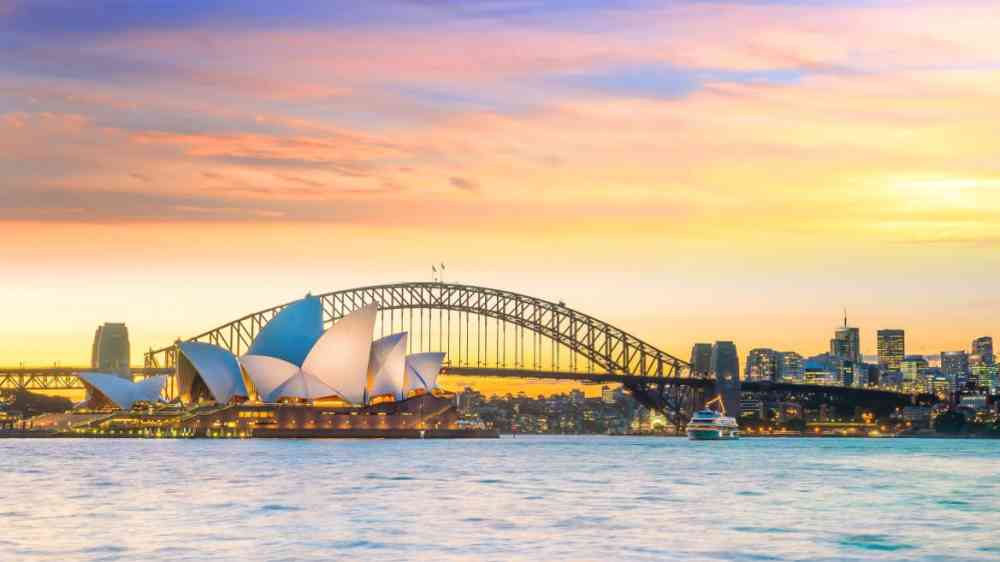
Australia’s exposure to extreme heat continues to grow while the country has emerged as a global hotspot for climate change litigation, according to the latest MJA–Lancet Countdown report published this week.
A new research project is poised to deliver the formula to safely recycle water into gardens and parklands at scale, addressing both urban heat and sustainability challenges in western Sydney.
Research published in Nature warns that rising seas will devastate coastal habitats, using evidence from the last Ice Age. 17,000 years ago you could walk from Germany to England, from Russia to America, from mainland Australia to Tasmania.
Macquarie University research, conducted in partnership with Natural Hazards Research Australia, has used first-hand accounts of last year's extreme floods to provide vital insights on preparedness, response and the early stages of recovery.
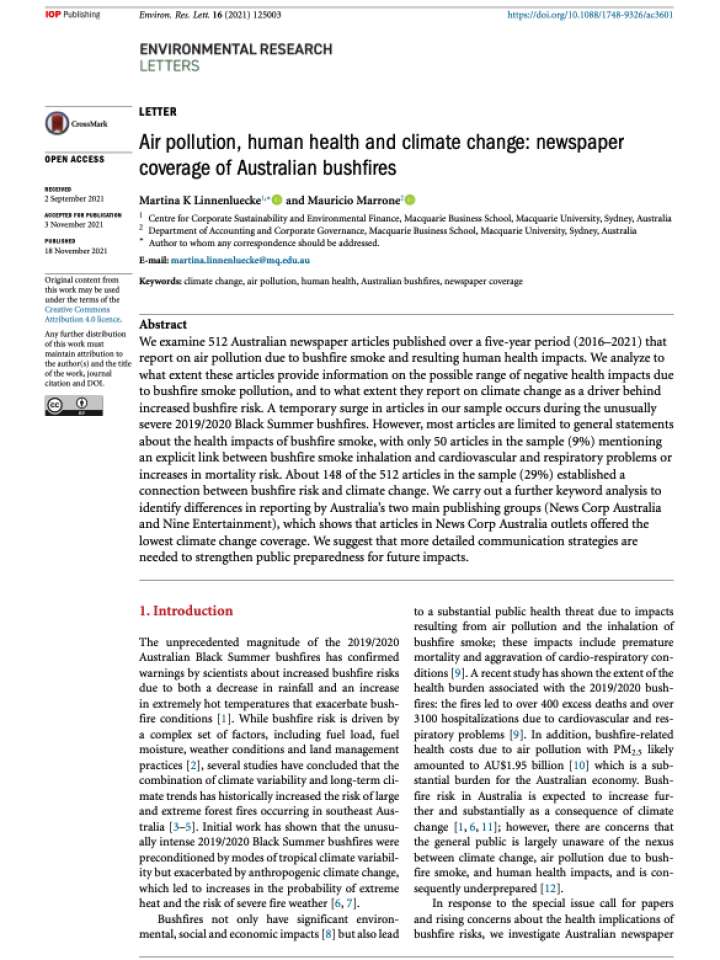
This paper examines 512 Australian newspaper articles published over a five-year period (2016–2021) that report on air pollution due to bushfire smoke and resulting human health impacts.
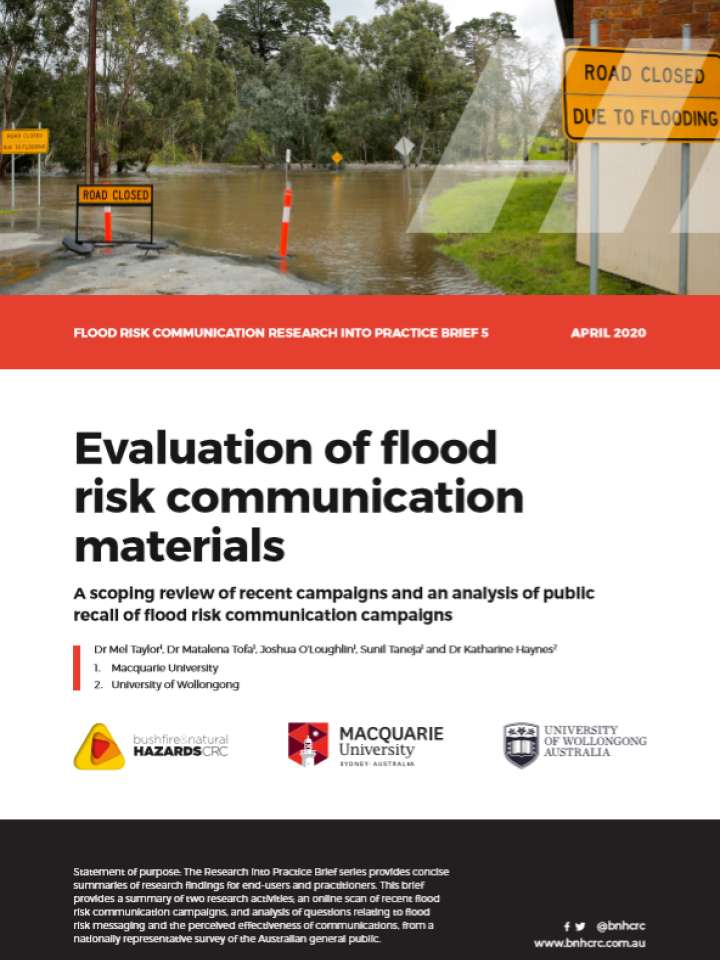
This brief provides a summary of two research activities: an online scan of recent flood risk communication campaigns, and analysis of questions relating to flood risk messaging and the perceived effectiveness of communications.
Extreme heat in cities poses a significant threat to public health and urban livability. More frequent, prolonged and intense heatwaves are predicted under future climate change, posing unprecedented challenges for Australia’s urban systems.
New research reveals that flooded gum, a type of eucalyptus, can "remember" past exposure to extreme heat, which makes the tree and its offspring better able to cope with future heatwaves. As the number of hot days and heatwaves increase due to climate change, this finding could have important implications for restoring ecosystems and climate-proofing forestry.
Voluntary Commitments
The organization has no registered commitments.
The Sendai Framework Voluntary Commitments (SFVC) online platform allows stakeholders to inform the public about their work on DRR. The SFVC online platform is a useful toolto know who is doing what and where for the implementation of the Sendai Framework, which could foster potential collaboration among stakeholders. All stakeholders (private sector, civil society organizations, academia, media, local governments, etc.) working on DRR can submit their commitments and report on their progress and deliverables.