Items: 492
Floating homes may save UK residents from increasing flood risks associated with climate change, while also helping to fight the housing crisis.
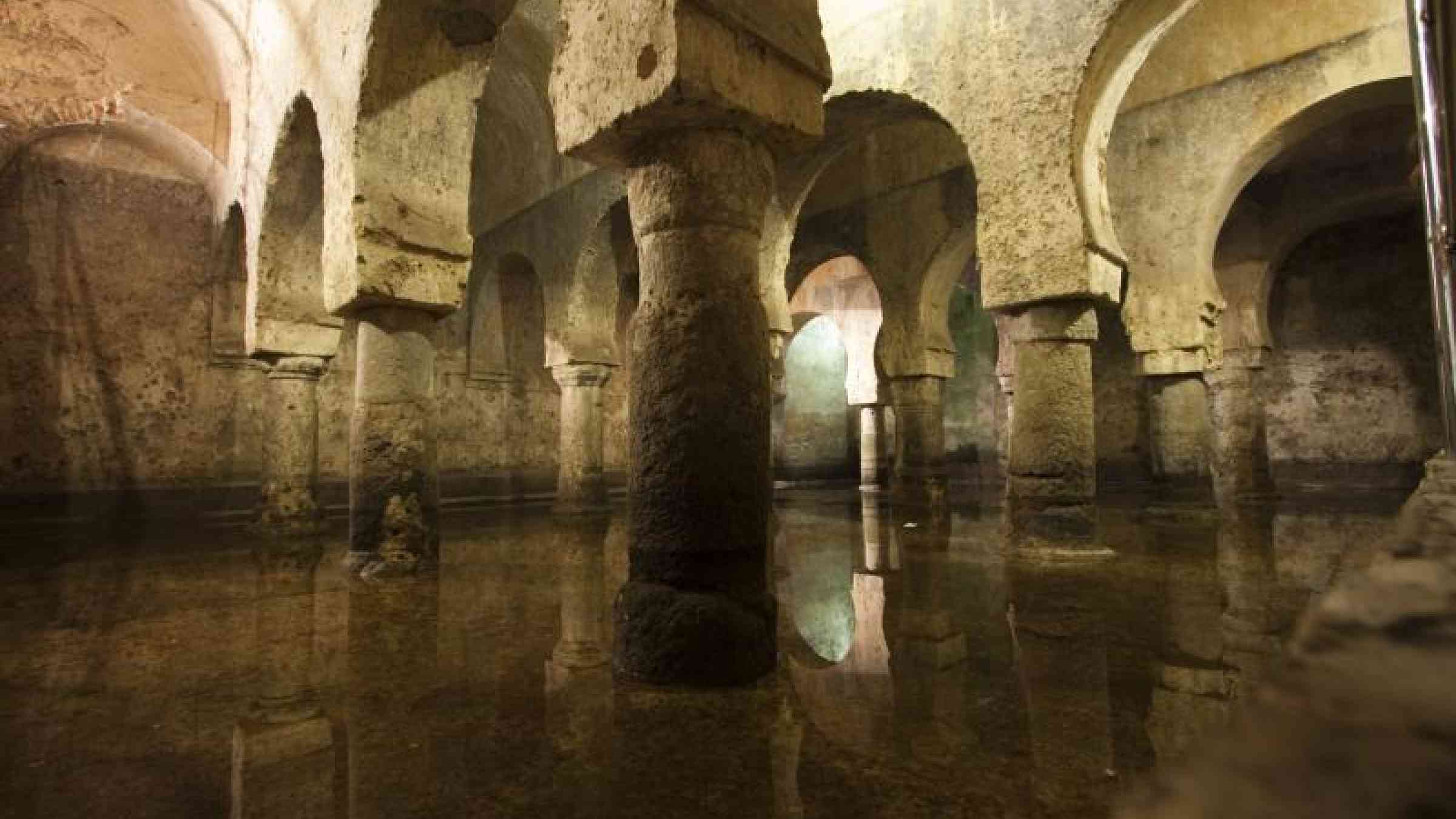
The ancient Arabic "aljibe" cisterns have inspired Alicante to use a water-storing system that provides flood protection.
Members of Parliament in the United Kingdom are calling for mandatory climate reporting so investors are aware of the financial risks they may face due to climate change.
WHO chief Tedros Adhanom Ghebreyesus highlights the importance of investing in disease outbreak preparedness to reduce the need for relief funding.
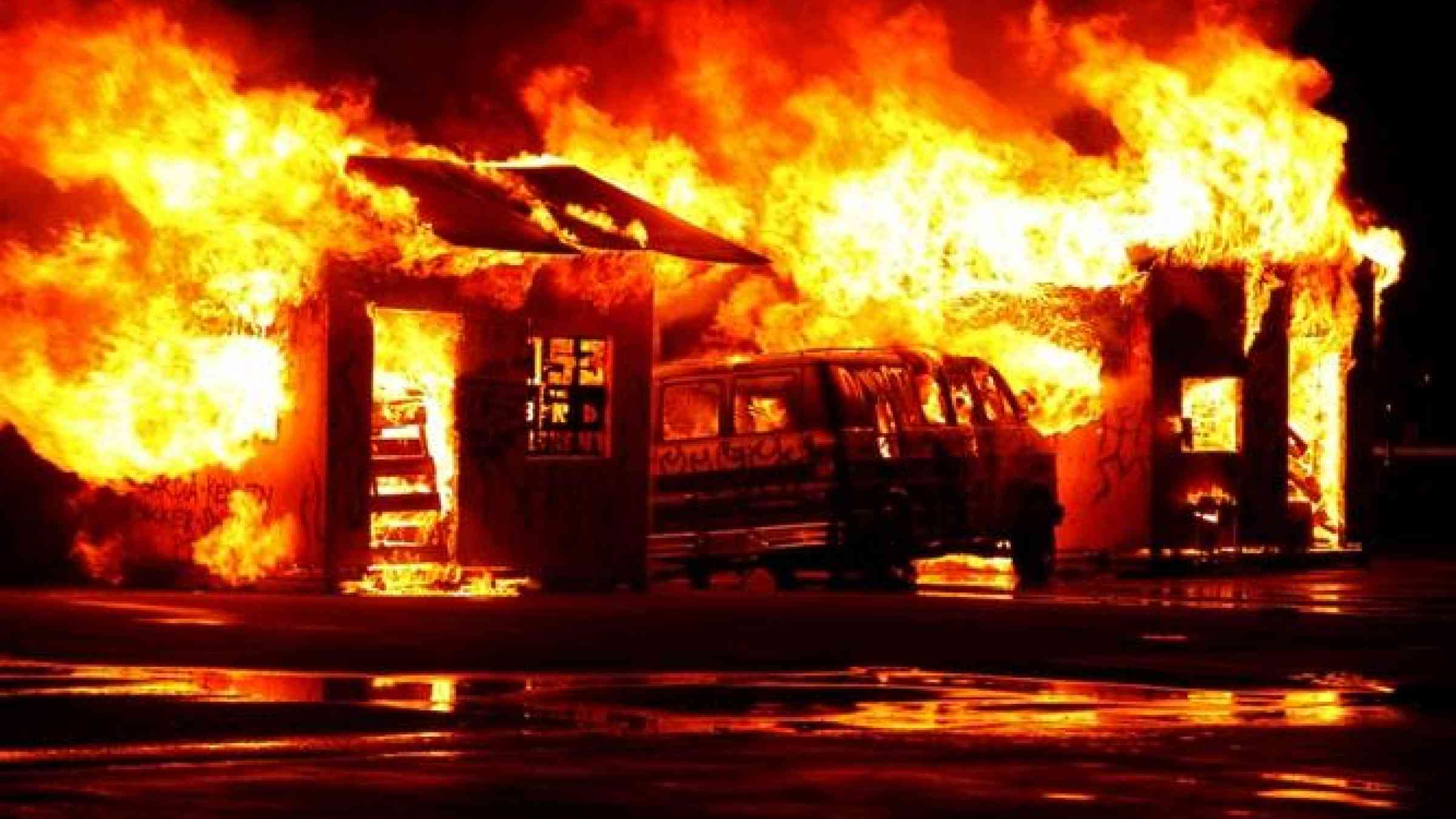
The UN warns that disasters are happening at the rate of one a week, though most draw little international attention and work is needed to prepare developing countries.
According to new research, Africa could face both more severe droughts and floods over the next 80 years as a consequence of global warming.
The next big quake could hit Tokyo before 2050 and, with millions of tourists, mass panic could occur despite the city's preparedness.
Hurricanes are likely to become stronger and more destructive as a result of warmer oceans due to climate change. They are also going to reach areas previously unaffected by the natural phenomenon, forcing communities to adapt to new threats.
Voluntary Commitments
The organization has no registered commitments.
The Sendai Framework Voluntary Commitments (SFVC) online platform allows stakeholders to inform the public about their work on DRR. The SFVC online platform is a useful toolto know who is doing what and where for the implementation of the Sendai Framework, which could foster potential collaboration among stakeholders. All stakeholders (private sector, civil society organizations, academia, media, local governments, etc.) working on DRR can submit their commitments and report on their progress and deliverables.