
Items: 493
Leaked report from JP Morgan, the world’s largest fossil fuel financer, warns that the climate crisis threatens humanity’s survival, and that climate policy must change.
Thinktank suggests 70,000 new builds in high flood-risk areas of the UK are not covered by a government-backed insurance scheme, leading to crippling financial costs.
Cyclone Winston devastated Fiji’s agricultural sector and caused extensive economic loss. Intercropping and replanting heritage species may help reduce risk.
As Storm Denis causes the worst winter floods in recent times across the UK, questions over the effectiveness of government flood preparedness and response arise.
In the event the coronavirus cannot be contained, we will have to work to mitigate its effects, says a public health epidemiologist.
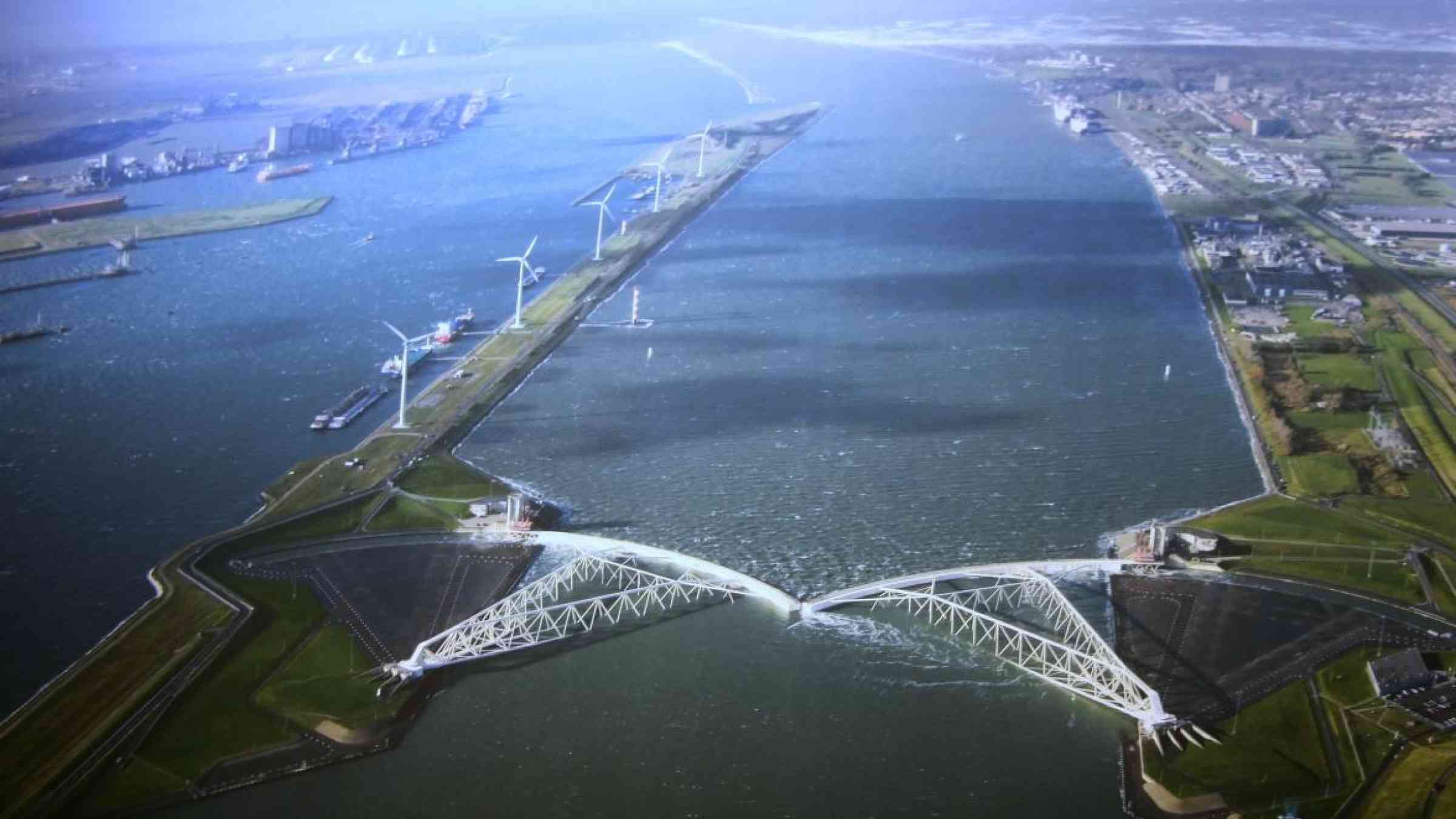
Dutch government scientist has proposes the construction of a Northern European Enclosure Dam (NEED) that stretches between France, the United Kingdom and Norway.
The combination of extreme weather events in Australia will have serious and long-term effects on species, some to the point of extinction.
An urgent search has begun for solutions to protect one of the Mediterranean’s largest wetlands, after Storm Gloria battered it the extent of devastation.
Voluntary Commitments
The organization has no registered commitments.
The Sendai Framework Voluntary Commitments (SFVC) online platform allows stakeholders to inform the public about their work on DRR. The SFVC online platform is a useful toolto know who is doing what and where for the implementation of the Sendai Framework, which could foster potential collaboration among stakeholders. All stakeholders (private sector, civil society organizations, academia, media, local governments, etc.) working on DRR can submit their commitments and report on their progress and deliverables.