
Items: 27

WeatherNext enables accurate cyclone forecasts that can give an extra day of warning. Now we are open sourcing the model.

Google has open-sourced its hydrology model to enable National Meteorological and Hydrological Services to integrate advanced AI-based flood forecasting into their own workflows.
Company asks US government to release army of sterile male mosquitoes to lower number of illness-spreading bugs.

The new AI model delivers more efficient, more accurate and higher-resolution global weather predictions.
Google’s Flood Hub is reshaping how the world responds to one of its most devastating natural hazards. The platform uses artificial intelligence to forecast floods up to seven days in advance.
This joint AI Masterclass Webinar Series organized by UNDRR and Google is designed to bridge the gap between cutting-edge Artificial Intelligence (AI) research and practical, on-the-ground disaster risk reduction.
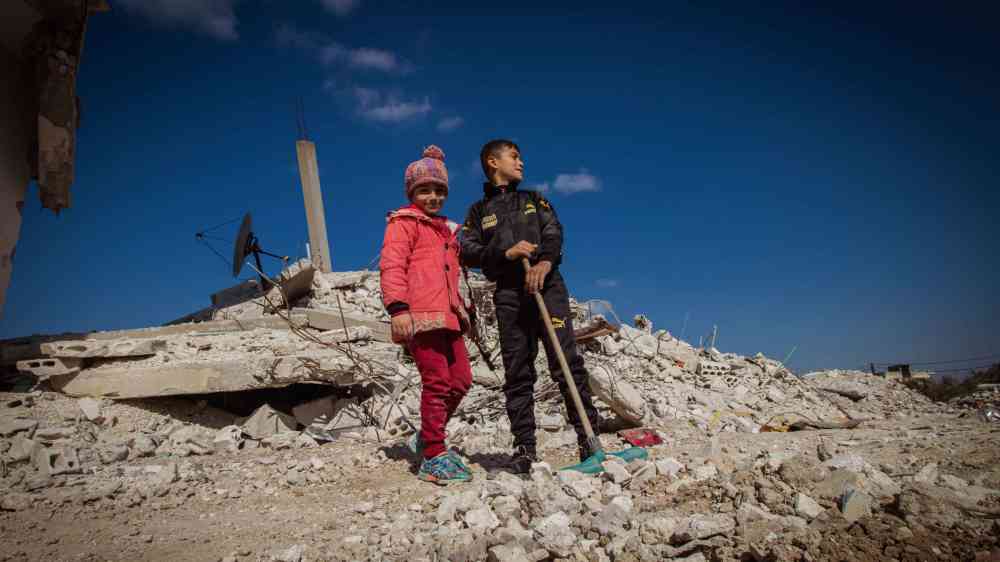
Using aggregated measurements from a global network of Android smartphones, we developed a system that detects earthquakes, delivers early warnings to users, and builds user trust with each successful alert.

Google DeepMind is launching Weather Lab, featuring experimental cyclone predictions, and it is partnering with the U.S. National Hurricane Center to support their forecasts and warnings this cyclone season.
Voluntary Commitments
The organization has no registered commitments.
The Sendai Framework Voluntary Commitments (SFVC) online platform allows stakeholders to inform the public about their work on DRR. The SFVC online platform is a useful toolto know who is doing what and where for the implementation of the Sendai Framework, which could foster potential collaboration among stakeholders. All stakeholders (private sector, civil society organizations, academia, media, local governments, etc.) working on DRR can submit their commitments and report on their progress and deliverables.