Mission
- Floodlist want to bring to people’s attention the risks and devastation posed by floods and flooding.
- It hopes to help people understand more about floods, and what they can do to prepare, protect themselves, get insured, and stay safe.
- To discuss flooding issues from the persepective of the people who are involved and who are affected.
- Its outlook is global. Although the main base is in Europe, it has contacts, contributors and writers based around the world, and it aims to include flooding news from all countries and continents.
Items: 29
Insurers in Germany have warned that new homes continue to be built in flood-risk areas in the country. In the last 23 years, over 32,000 residential buildings have been constructed in high-risk areas.
More than a third of the Antarctic’s ice shelf area could be at risk of collapsing into the sea if global temperatures reach 4°C above pre-industrial levels.
January 2021 saw the launch of development of a new coastal flood awareness system in Europe that could become a candidate to join the Copernicus suite of services.
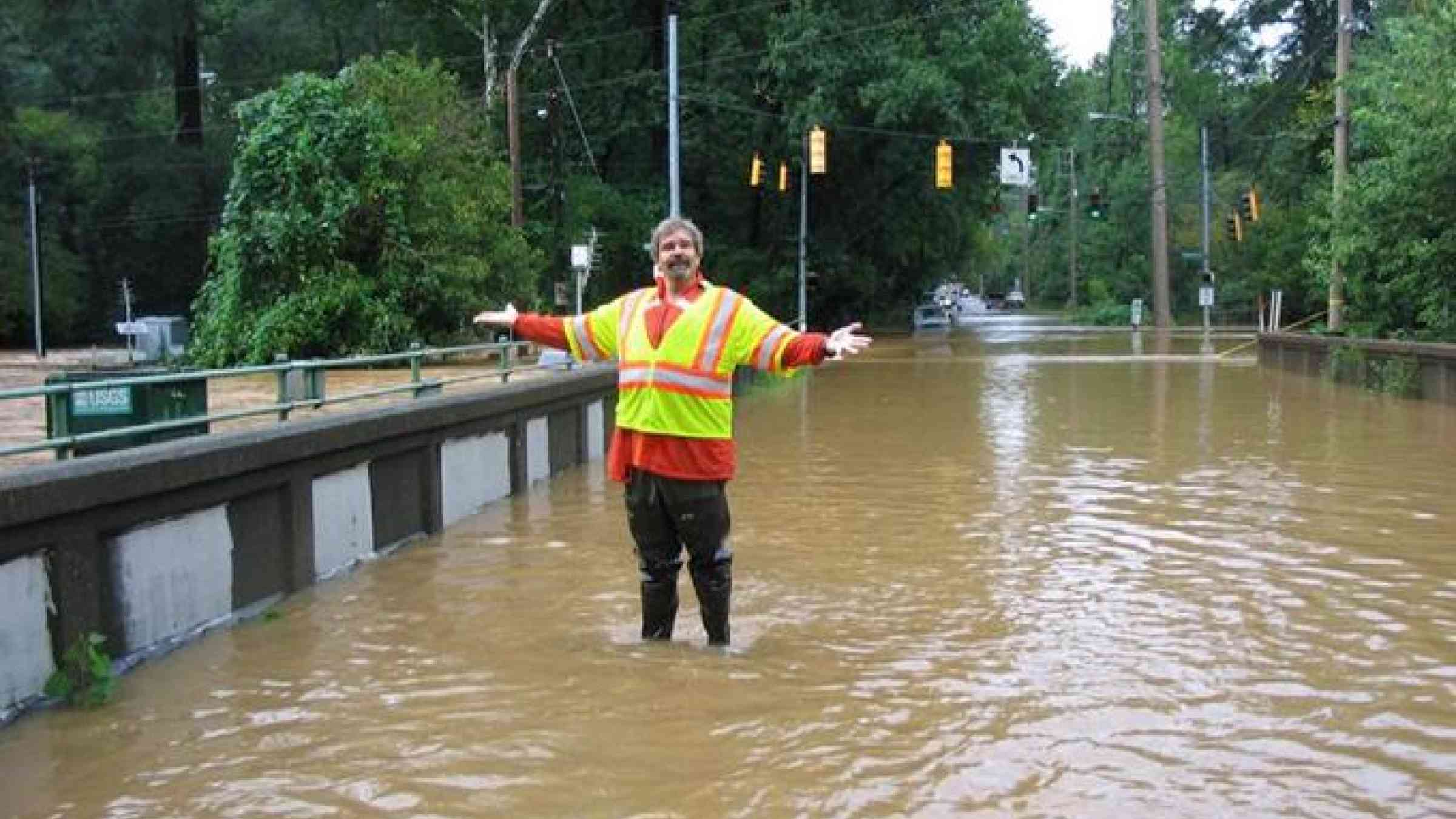
Regional climate modeling shows compensating impacts between the effect of urban development and greenhouse gas emissions on extreme precipitation.
A state of emergency has been declared as Ellicott City, Maryland, has been devastated by flash floods for the second time in two years after 201 mm (7.92 inches) of rain fell in 15 hours. The experience with flood events has prompted the local county to draft a new watershed master plan to build flood resilience.
A floating 3-storey multipurpose structure is designed in flood-prone Lagos, Nigeria that could serve as a school as well as a venue for local community. The architect has designed a pre-fabricated version of the floating school as a template and the concept is expected to go mainstream in 2017.
A Dutch architecture firm is developping floating facilities for flood-prone communities. The Floating City App is based on the concept of a floating shipping container fitted out for multi-purpose use, such as communication and education, sanitation, community kitchen, health care, garbage collection and construction.
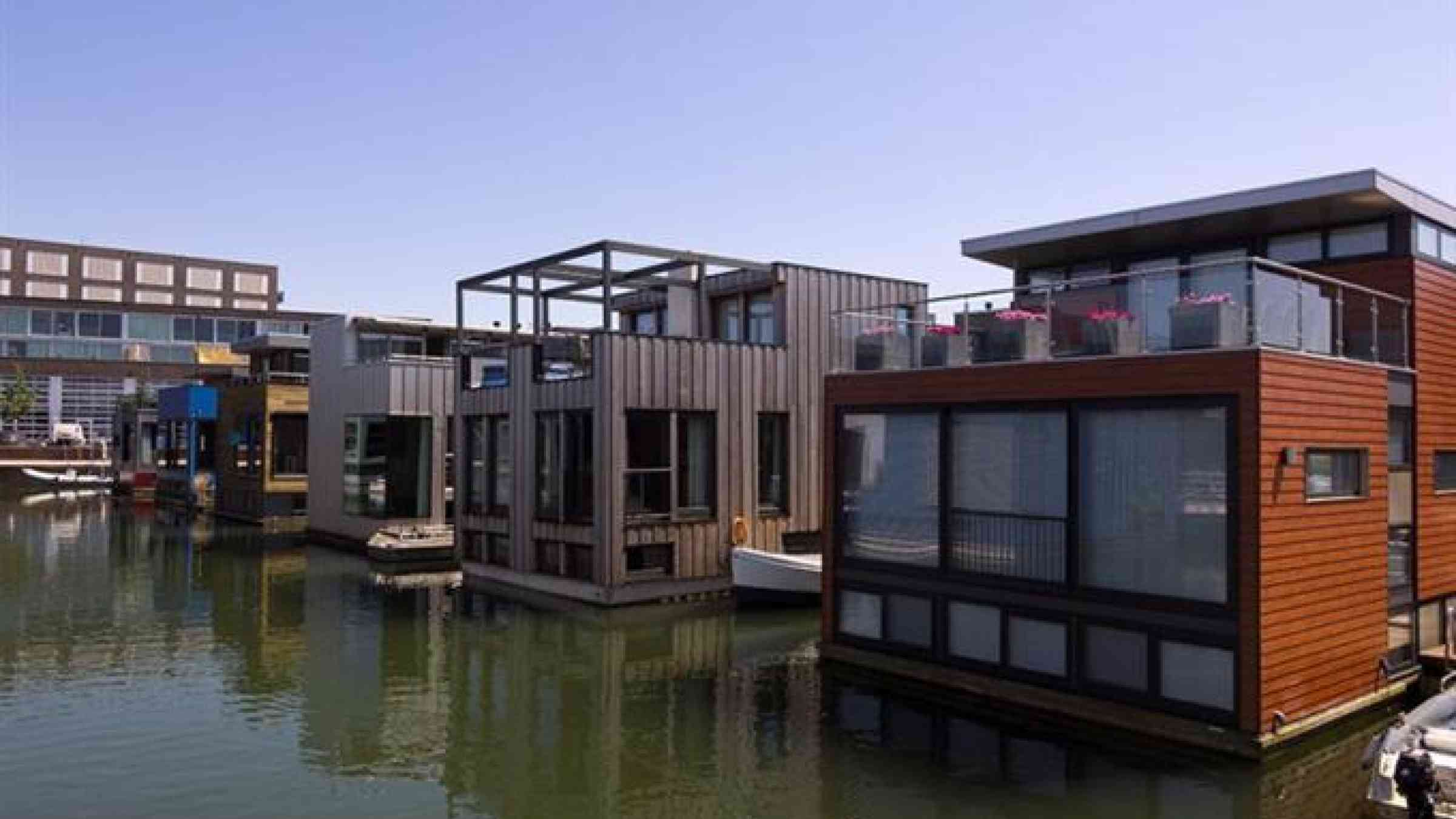
Repeatedly flooded areas in the world are often located in river deltas or floodplains where water velocities during flooding not particularly high, and where communities are relatively tight-knit and well-established. Due to the large areas and populations involved, relocation is not a feasible option. With rising sea levels accompanying climate change, and a shortage of developable land in rapidly urbanising regions, are floating cities a feasible solution?
Voluntary Commitments
The organization has no registered commitments.
The Sendai Framework Voluntary Commitments (SFVC) online platform allows stakeholders to inform the public about their work on DRR. The SFVC online platform is a useful toolto know who is doing what and where for the implementation of the Sendai Framework, which could foster potential collaboration among stakeholders. All stakeholders (private sector, civil society organizations, academia, media, local governments, etc.) working on DRR can submit their commitments and report on their progress and deliverables.