Items: 13
Climate migration is expected to increase in the future. This study brings together knowledge on climate and environmental change-induced migration and displacement within and across country borders, their effects and management.
As the world is grappling with the challenges brought about by the COVID-19 pandemic, many communities are experiencing the impact of compounded disasters, with COVID-19 and natural hazards stretching resources and testing coping capacities.
The event will highlight the need for and effectiveness of gender-responsive disaster risk reduction in COVID-19 recovery andidentify challenges and good practices in developing and implementing gender-responsive disaster risk reduction strategies.
According to new data, Finland's extended heat wave of last summer caused around 380 premature deaths among seniors, with daily mortality growing by an average of 14 percent during the heat wave. Given that heat waves and health hazards will likely increase due to climate change and the ageing population, inpatient facilities and households are advised to prepare.
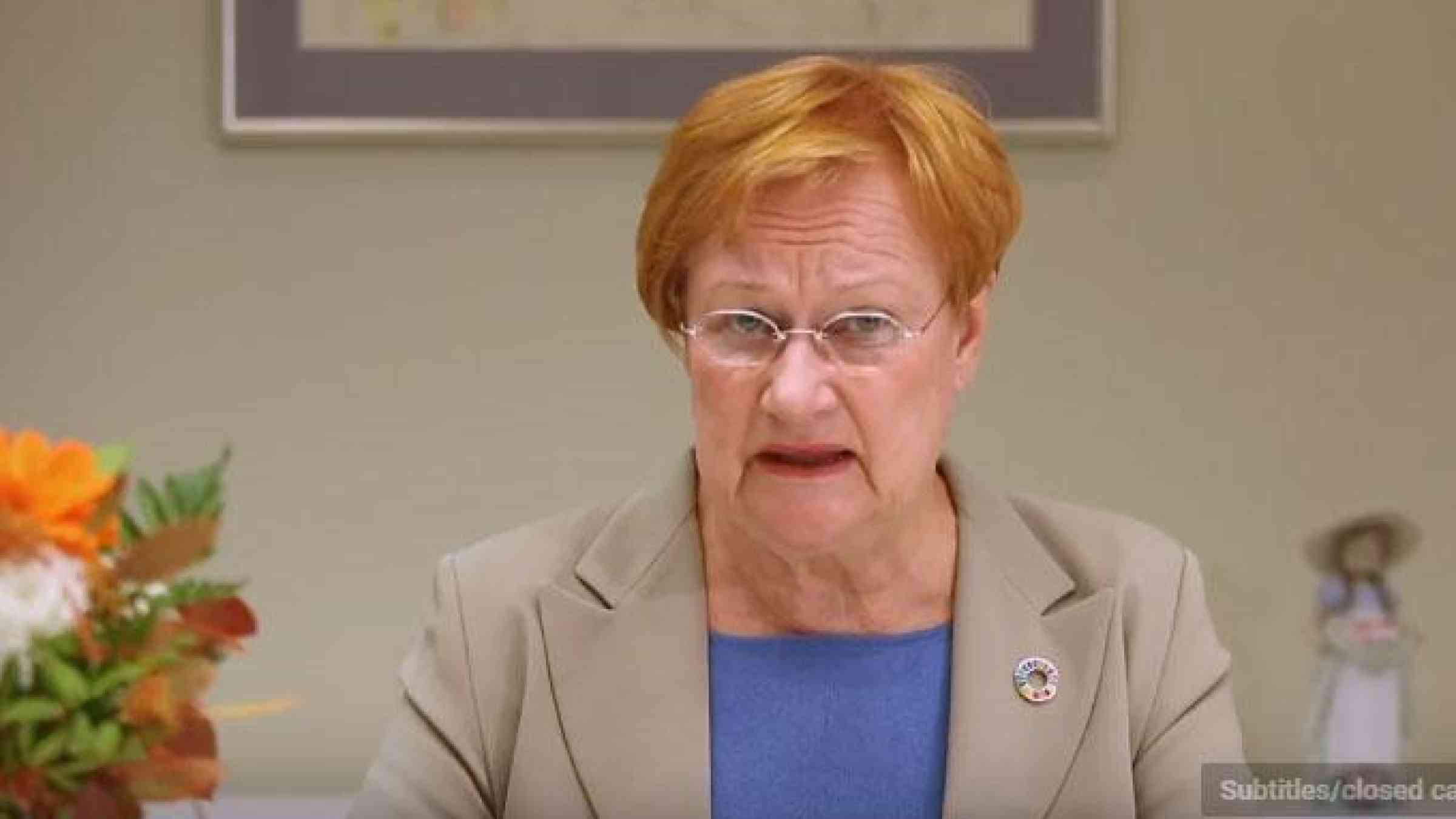
Ms. Tarja Halonen, UN Global Champion for Disaster Risk Reduction, is a Finnish politician and former President of Finland. On this year's International Day for Disaster Risk Reduction, focused on economic losses, President Halonen underlines the role of risk awareness in our societies and empowering women in disaster risk reduction.
The objective of the National Strategy for Adaptation to Climate Change is to strengthen and increase Finland’s adaptive capacity. This is to be achieved by:
The preparation of this National Progress Report has been undertaken within the framework of the 2013-15 HFA Monitoring and Progress Review process, facilitated by UNISDR and the ISDR partnership.
The aim of the National Climate Change Adaptation Plan 2022 is to build the capacity of Finnish society to manage the risks associated with climate change and adapt to changes in the climate.
Voluntary Commitments
The organization has no registered commitments.
The Sendai Framework Voluntary Commitments (SFVC) online platform allows stakeholders to inform the public about their work on DRR. The SFVC online platform is a useful toolto know who is doing what and where for the implementation of the Sendai Framework, which could foster potential collaboration among stakeholders. All stakeholders (private sector, civil society organizations, academia, media, local governments, etc.) working on DRR can submit their commitments and report on their progress and deliverables.
Contact information
Fax:
+33-5 59 30 46 50 / +33-4 42 04 45 23