Items: 36

Recent research from Public Health England (PHE) shows that people that experience flooding in their homes can suffer from mental health illnesses, including depression, anxiety and post-traumatic stress disorder.
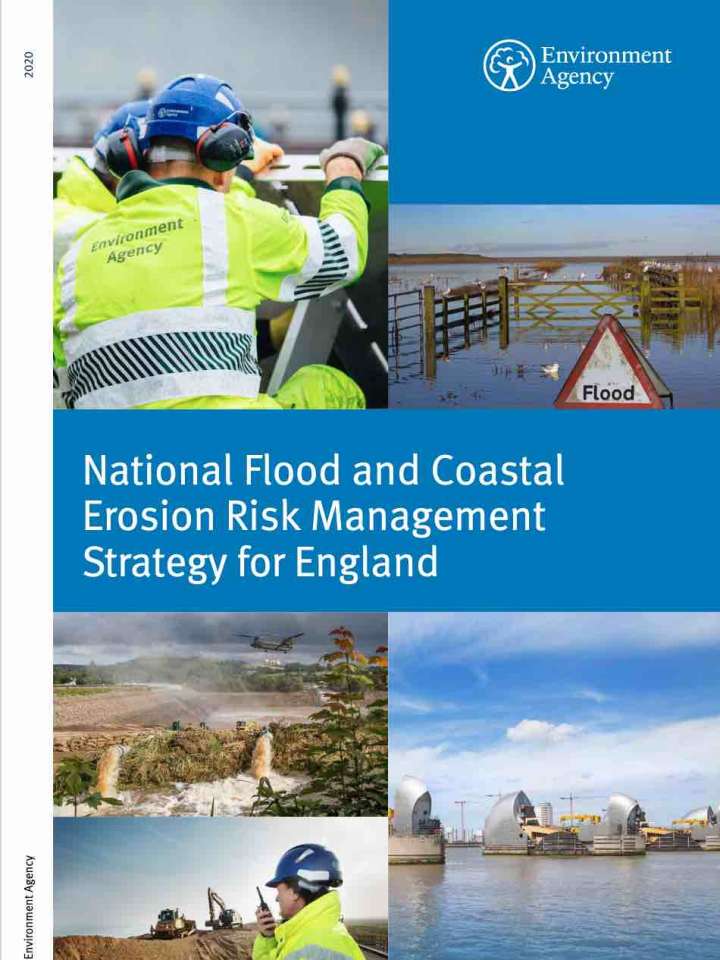
The strategy sets out a vision of a nation ready for, and resilient to, flooding and coastal change, and seeks to better manage the risks and consequences of flooding from rivers, the sea, groundwater, reservoirs, sewers, and coastal erosion.
This evidence review is part of a larger project looking at community engagement for long-term adaptation to flood and coastal erosion risk.
The Environment Agency has published a new economic assessment to aid planning for flooding and coastal risk management over the next 50 years. Using new climate change, population and mapping data, the report estimates that an average annual investment of £1 billion is needed until 2065. But the resilience measures have a 9 to 1 benefit to cost ratio.

This study uses new climate change, population and mapping data to set out potential future scenarios for flood and coastal erosion risk management in the UK, assessing how funding could be best allocated to meet these challenges.
The Flood Expo is the world’s leading exhibition for flood prevention and mitigation, providing cutting-edge solutions, and tickets are completely free.
A shocking two-thirds of drivers in the UK would gamble with their safety by driving through floodwater – even though this is the leading cause of death during a flood, new figures have revealed. In a survey commissioned by the Environment Agency and the AA, 68% of motorists admitted they’d take the risk rather than find a safer route.
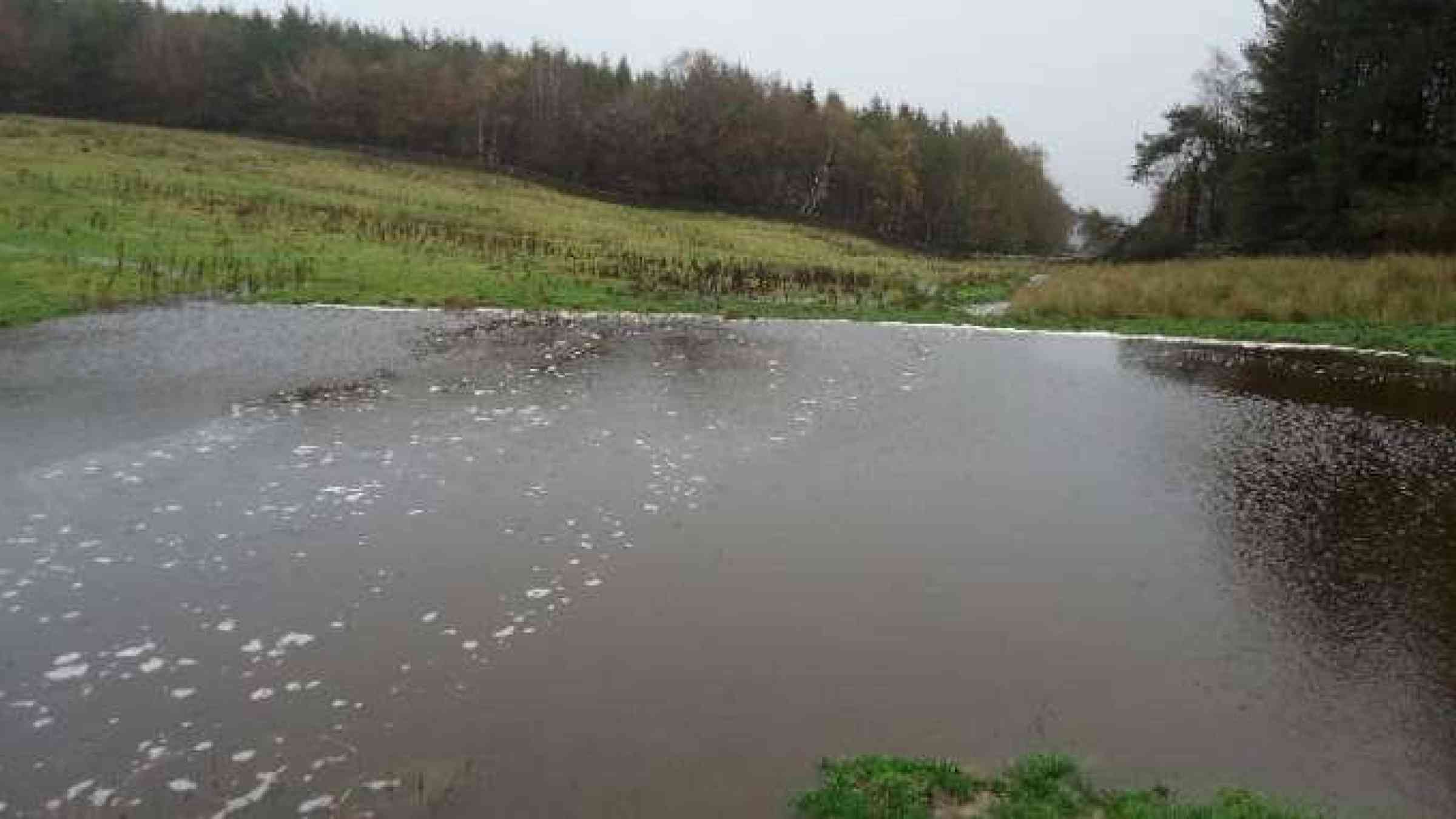
Launching its Flood Action Campaign, the Environment Agency warns that intense bouts of flooding are set to become more frequent. The campaign targets younger people through social media and online advertising to encourage them to check their flood risk at GOV.UK, sign up for free warnings and be prepared to take action when flooding hits.
Voluntary Commitments
The organization has no registered commitments.
The Sendai Framework Voluntary Commitments (SFVC) online platform allows stakeholders to inform the public about their work on DRR. The SFVC online platform is a useful toolto know who is doing what and where for the implementation of the Sendai Framework, which could foster potential collaboration among stakeholders. All stakeholders (private sector, civil society organizations, academia, media, local governments, etc.) working on DRR can submit their commitments and report on their progress and deliverables.