
Items: 12

An EU project is building a multi-risk early warning system that forecasts who and what a hazard will affect, not just where it will strike.
XAIDA is designing and applying AI-based methodologies to reveal how climate change impacts extreme weather events and to foresee their occurrence in the future.

The temperature is rising, putting the world’s growing urban population at risk. Identifying hotspots and making use of all available data sources is key.
An EU-backed project turned to gamification to present its new tools that are designed to safeguard historic areas in Europe from climate change.
The EU-funded INTERACT project announces the publication of policy recommendations for the consideration of translation and interpreting.
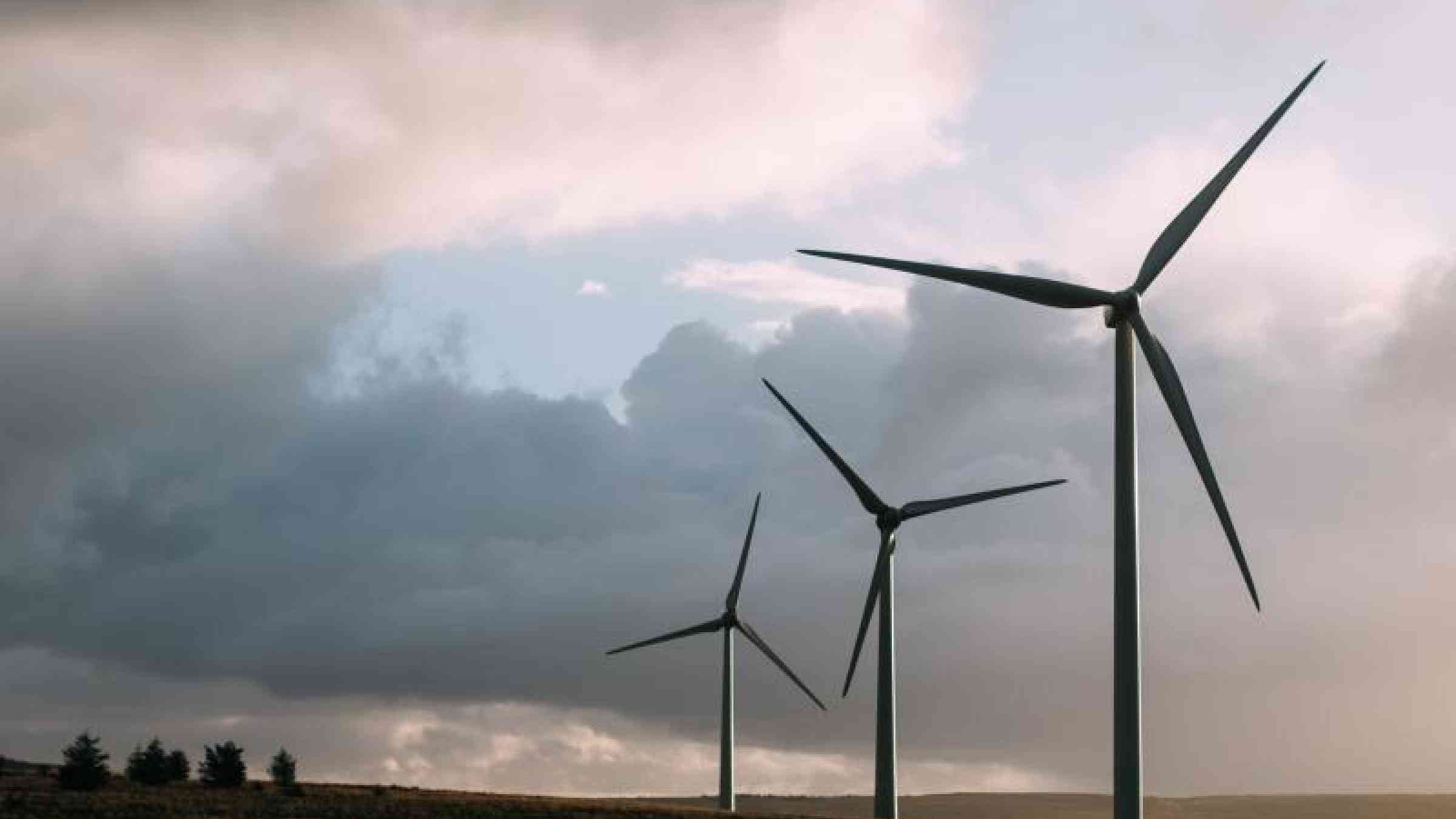
Researchers have launched an online tool that can offer reliable forecasts for weather-dependent industries like renewable energy production, insurance, and farming.
Efforts to prevent urban flooding have frequently resulted in costly and complex systems based on rainfall forecasts that are often inaccurate. The EU-funded CENTAUR (Cost Effective Neural Technique for Alleviation of Urban Flood Risk) is an autonomous technology that uses piped networks to provide flood protection at a lower cost than Real-Time Control systems.
The Objective Ranking Tool (ORT) aims to support decision makers in chosing the right options when identifying a region's infrastructure vulnerabilities to extreme weather and deciding how to make society more resilient. The tool combines a mathematical model on so-called similarity judgment, analytical hierarchy processing, and expert discussions and judgements.
Voluntary Commitments
The organization has no registered commitments.
The Sendai Framework Voluntary Commitments (SFVC) online platform allows stakeholders to inform the public about their work on DRR. The SFVC online platform is a useful toolto know who is doing what and where for the implementation of the Sendai Framework, which could foster potential collaboration among stakeholders. All stakeholders (private sector, civil society organizations, academia, media, local governments, etc.) working on DRR can submit their commitments and report on their progress and deliverables.
Contact information
Fax:
+1-613 238 8515