
Items: 6
Barcelona’s Heat Plan 2025–2035 includes around fifty measures to reduce the urban heat island effect, improve the thermal comfort of buildings, protect the most vulnerable people, and strengthen emergency protocols, among others.
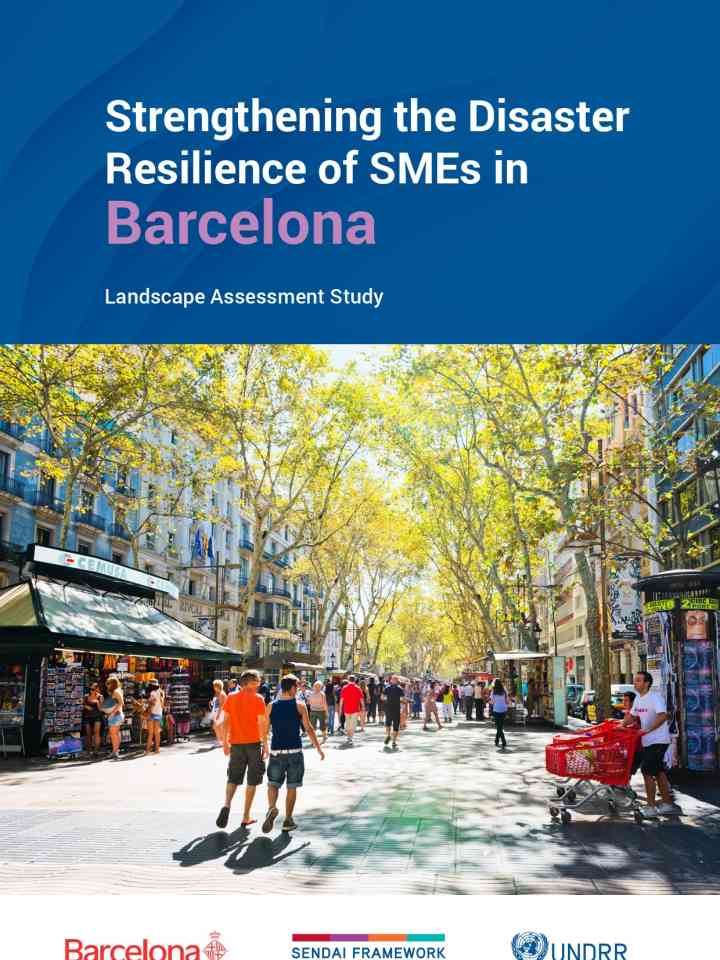
This landscape study aims to assess the current state of SME disaster preparedness, identify capability and resource gaps, and inform targeted interventions, particularly around business continuity plans (BCPs), access to finance and capacity-building.
Barcelona’s Climate Action Plan 2018-2030 (Pla Clima) is the city’s strategic framework to combat climate change, aiming to reduce greenhouse gas emissions by 45% per capita by 2030 (compared to 2005).

197 climate shelters are available in Barcelona, Spain from 13 June to 15 September and include municipal facilities and public spaces offering more comfortable temperatures for users and those vulnerable to the heat.
The Action Plan for the Climate Emergency 2030 is an updated strategy by the Barcelona City Council, building upon the previous Climate Plan in response to the declared climate emergency.
The preparation of this Local Progress Report has been undertaken within the framework of the biennial 2011-2013 Hyogo Framework for Action (HFA) Monitoring and Progress Review process, facilitated by UNISDR and the ISDR partnership.
Voluntary Commitments
The organization has no registered commitments.
The Sendai Framework Voluntary Commitments (SFVC) online platform allows stakeholders to inform the public about their work on DRR. The SFVC online platform is a useful toolto know who is doing what and where for the implementation of the Sendai Framework, which could foster potential collaboration among stakeholders. All stakeholders (private sector, civil society organizations, academia, media, local governments, etc.) working on DRR can submit their commitments and report on their progress and deliverables.