
Items: 46
Thailand's National Water Resource Commission has approved a 13-billion-baht plan to combat drought and floods, as well as improve drainage in Thailand's key interprovincial canal, Klong Prem Prachakorn. Other projects will increase storage capacities of two lakes and ensure flood prevention. The drought measures are especially welcome given this year's El Niño.
Thailand and the wider Asia-Pacific region endured a year of notable and unusual disasters, but they can reduce losses and damage to infrastructure by implementing DRR measures. To maximise the use of limited resources, governments must target resilience investments in a calculated manner, which they achieve through a sound DRR strategy.
Deputy Prime Minister Chatchai Sarikulya Thursday ordered relevant agencies to devise preventive measures against flooding which will be proposed to the prime minister this month. After approval, all plans would be implemented within this month to handle different periods of possible flooding in each area, he said.
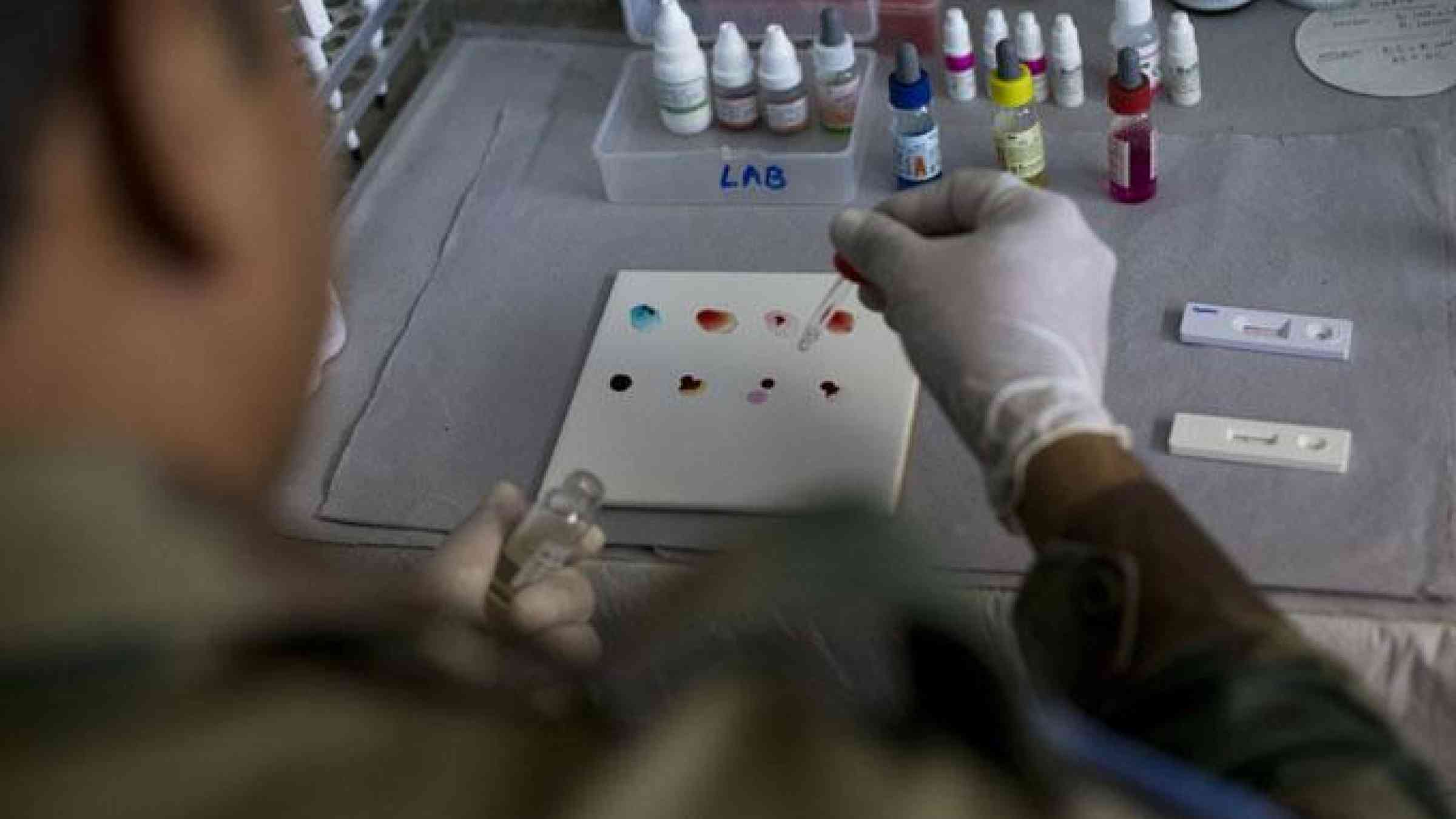
"An under-resourced and poorly protected health system can multiply the impact of any initial disaster event"
warns Robert Glasser, head of the UN Office for Disaster Reduction, in the Bangkok Post. "An integrated approach to health and disaster risk reduction is now an all-of-society imperative."
Agriculture and Cooperatives Minister Petipong Pungbun Na Ayudhya said the government expressed concern about the plight of residents living in areas vulnerable to floods, but he warned looming droughts could pose a bigger threat...
'The experience of Haiyan sealed what many development organisations have been asserting for years: that disaster risk is most real to the poor, marginalised and vulnerable sectors of society, including women and children. These are the people who do not have the social safety nets and capacities to protect themselves and recover, and are therefore left to suffer the most during disasters'...
Policies should aim at living in harmony with floods and not trying to control them. This is a more cost-effective and longer lasting solution that may involve comunity-based livelihood adaptation, disaster risk education as well as effective land-use planning in order to reduce vulnerability, according to Danny Marks of University of Sydney...
Hurricane Sandy was a reminder to the world that large-scale disasters have an impact larger than countries. Disaster resilience is essential for APEC countries, not only to protect the economy, but also human lives and livelihoods, according to the Bangkok Post...
Voluntary Commitments
The organization has no registered commitments.
The Sendai Framework Voluntary Commitments (SFVC) online platform allows stakeholders to inform the public about their work on DRR. The SFVC online platform is a useful toolto know who is doing what and where for the implementation of the Sendai Framework, which could foster potential collaboration among stakeholders. All stakeholders (private sector, civil society organizations, academia, media, local governments, etc.) working on DRR can submit their commitments and report on their progress and deliverables.
Contact information
Fax:
+504-235 - 4186