Items: 154
One of the country's leading bushfire experts warns Australia needs to prepare for the threat of year-round bushfires. While there are only currently two fire seasons in Australia, prolonged droughts are increasing fire risks, and New South Wales authorities even extended this year's fire danger period for a wide area of the state.
New research has revealed that green roofs carry many benefits for Australian cities, including flood prevention through absorption of rainfall, as well as decreased heating and cooling costs. Despite these benefits, government incentives are needed to boost implementation and progress has been slow.
Australian authorities are working to get on top of a "growing backlog" of prescribed burns, following warnings in a confidential report about funding issues and the increased risk of severe fires in the Canberra region. Over the past four years only 45 per cent of the area planned for prescribed burning — amounting to 13,009 hectares — had been achieved.
A new virtual reality project which puts residents through a "searing" bushfire experience has the potential to be used as a learning tool for more of Australia's natural hazards. The scenario replicates fire conditions and puts people under pressure to put an emergency plan into action.
As Papua New Guinea undergoes a rapid period of urbanisation, there are fears buildings are not being constructed to a standard that can survive strong earthquakes — potentially leading to large numbers of casualties. More than 125 people are estimated to have died in a magnitude-7.5 earthquake on February 26, which struck the country's remote highlands region.
Classifying exactly what a heatwave is or is not has long been a topic of discussion among scientists, and it has proven difficult for researchers to reach a consensus. However, the Australian Bureau of Meteorology has come up with a scheme that classifies a heatwave as a low, severe or extreme event, similar to the way cyclones are measured.
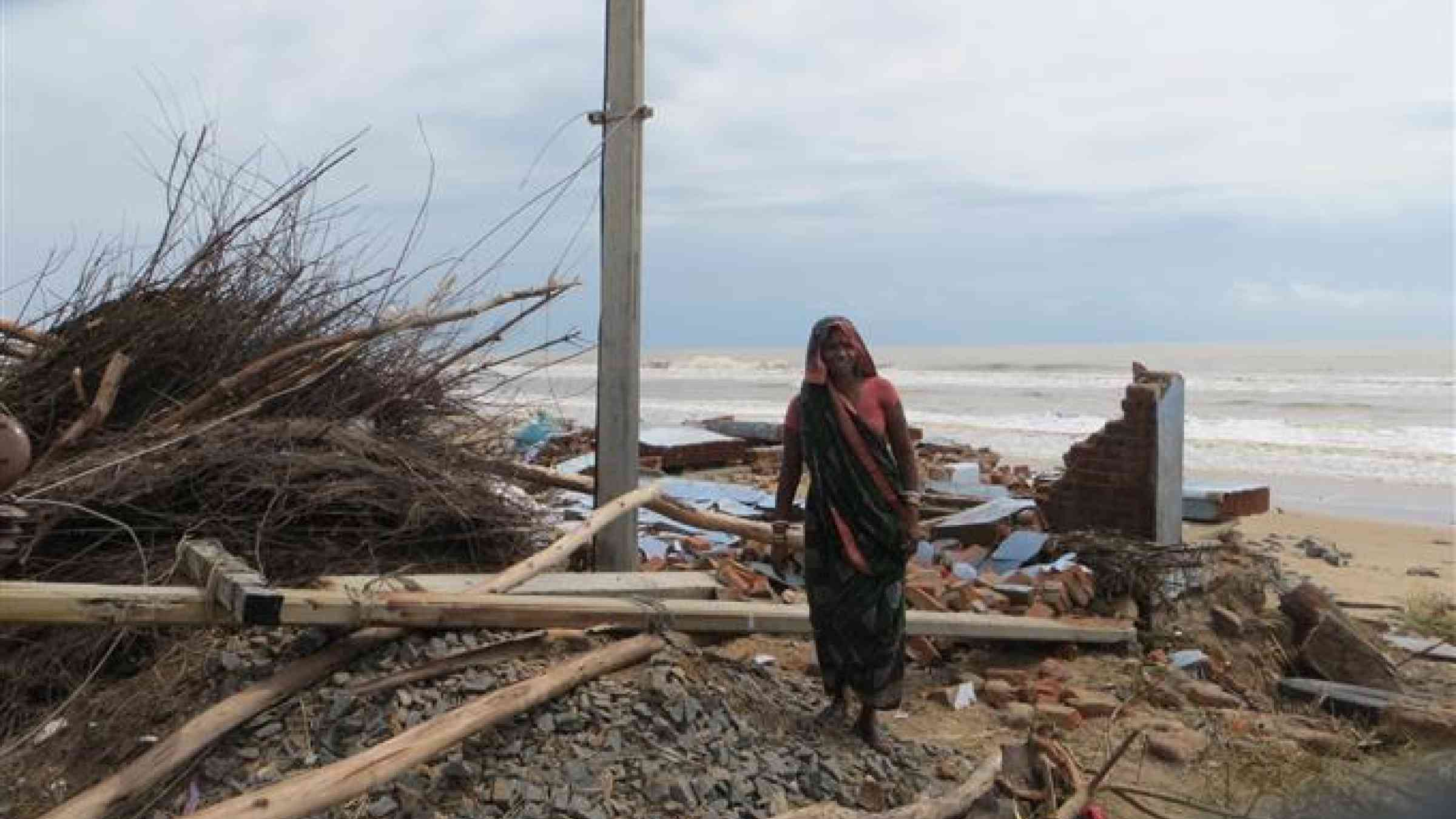
After a weekend of wild weather and with the cyclone season upon us, it is a good time to ask — why do we fail to prepare for the worst? After efforts by Auckland Council to educate residents about the risks of earthquakes had backfired, Psychologist and disaster researcher Paton found three psychological reasons behind the failure to take action in the face of disaster.
Arts House at North Melbourne town hall is a designated relief centre which, for 24 hours, was used for a flooding emergency rehearsal. Angharad Wynne-Jones, the artistic director of Arts House, said that to build more resilient communities, more work was needed in order to better deliver services required in a relief centre, as emergency incidents are becoming more common.
Voluntary Commitments
The organization has no registered commitments.
The Sendai Framework Voluntary Commitments (SFVC) online platform allows stakeholders to inform the public about their work on DRR. The SFVC online platform is a useful toolto know who is doing what and where for the implementation of the Sendai Framework, which could foster potential collaboration among stakeholders. All stakeholders (private sector, civil society organizations, academia, media, local governments, etc.) working on DRR can submit their commitments and report on their progress and deliverables.
Contact information
Fax:
+81-774 38 5866