Items: 17
Older people with smaller social networks and those who are less well off are more likely to stay put in the event of a storm. Past storm experiences determine whether people choose to leave or not, though veterans tend to assume that new storms don't get any worse than the previous ones.
There are at least 169 active volcanoes in the United States, 55 of which are believed to pose a high or very high threat to people. Most people in the U.S. perceive volcanic eruptions as rare, and believe that they will get advance notice because of the advance in science and instrumentation. However, most of the volcanoes are not as intensively monitored one might think.
Amid heavy flooding, Houston’s Texas Medical Center showcases what can be done with current technology.
For the past 10 years, the U.S. Geological Survey has been developing an early warning system that would operate in high-risk states on the West Coast. When an earthquake begins, the ShakeAlert system could give people in vulnerable seismic areas some critical advanced notice.
'In time, and with the right mix of pro-growth policies, dense American cities can withstand the effects climate change, and even more important, they can address those causes—surging energy use and irresponsible land-use patterns—that make climate change such an insidious threat,' writes Vishaan Chakrabarti of Columbia University...
Trulia, an online real-estate service has created a series of local risk maps using federal disaster data, reports the Atlantic Cities. Hazards, such as earthquakes, hurricanes, wildfires and tornadoes are featured on the maps...
'We're already spending billions on responding to storms and disasters made worse by climate change,' notes Matthias Ruth of Northeastern University; 'Sandy gave us a chance to think differently. Why don't we take that money and invest in infrastructure in ways to overcome the existing inefficiencies and improve quality of life?' he asks. 'And then as we do this, reduce the vulnerability'...
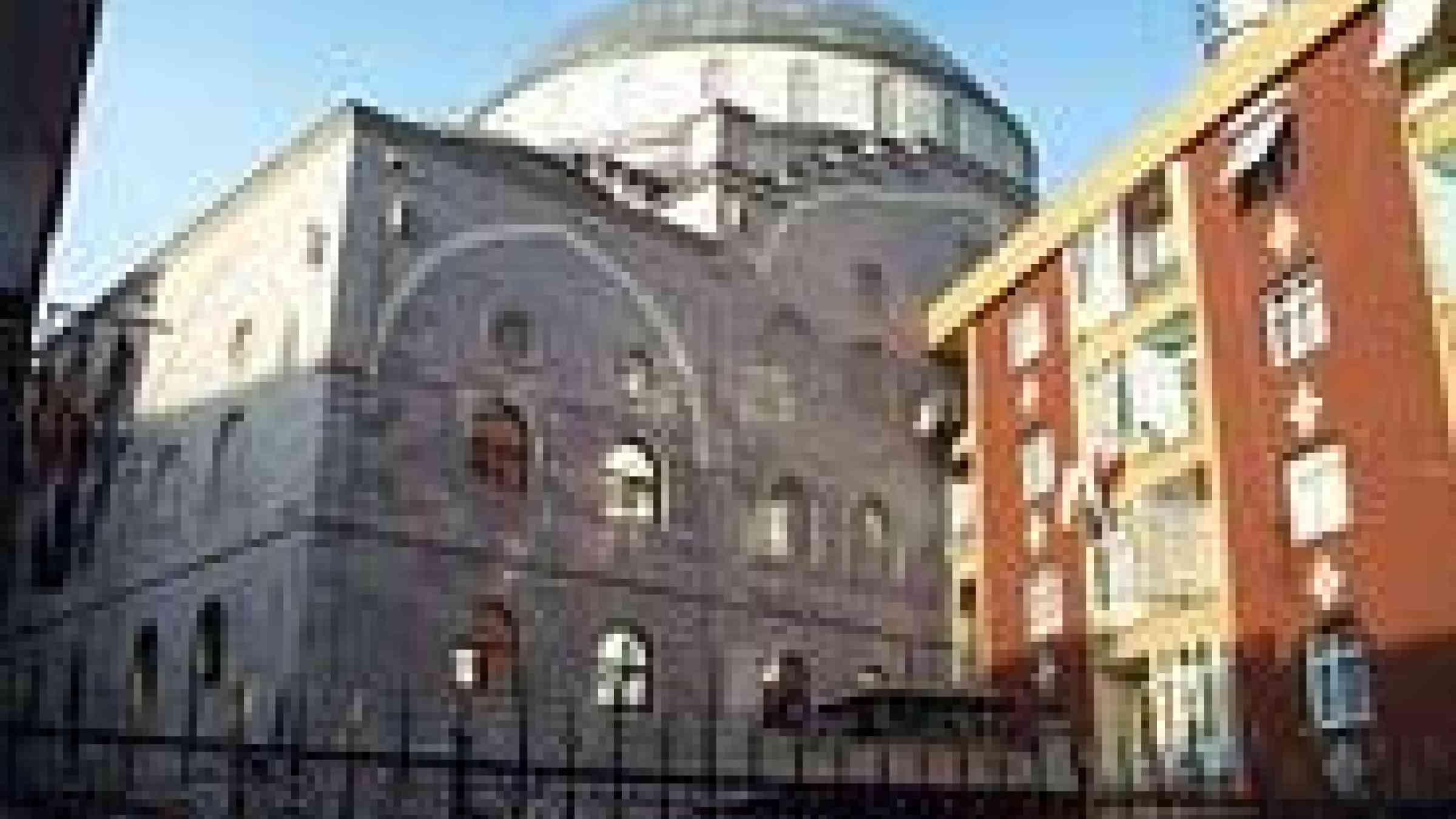
Turkey is considering how to prepare its capital, Istanbul for a potential earthquake. Scientists believe that the North Anatolian Faultline, only 20 miles away from the city, will most probably rupture and destroy two thirds of the city’s apartments, reports The Atlantic...
Voluntary Commitments
The organization has no registered commitments.
The Sendai Framework Voluntary Commitments (SFVC) online platform allows stakeholders to inform the public about their work on DRR. The SFVC online platform is a useful toolto know who is doing what and where for the implementation of the Sendai Framework, which could foster potential collaboration among stakeholders. All stakeholders (private sector, civil society organizations, academia, media, local governments, etc.) working on DRR can submit their commitments and report on their progress and deliverables.
Contact information
Fax:
(246) 421-8612