1. Home
  2. Knowledge Base | PreventionWeb

Research briefs

Keep up to date with the latest research on disaster risk and resilience on the PreventionWeb knowledge base.

Explore cutting-edge research on disaster risk reduction and resilience through PreventionWeb's dedicated research briefs section. Our platform curates and highlights the most recent academic studies, providing valuable insights into disaster risk management. Each research brief distills key findings from peer-reviewed journals and academic publications.

Submit a research brief.

These briefs are designed to keep you informed about the latest scientific advances. Links to the full publications are always included, ensuring easy access to in-depth knowledge. Please note that this section exclusively features academic research, distinct from reports by international organizations or Non-Governmental Organisations.

Uploaded on
Glacier lagoon with icebergs from above
Research briefs

Climate change in Earth's polar regions is emerging as an under-recognised driver of global health risks, with consequences reaching far beyond the Arctic and Antarctic, researchers argue.

University of Exeter
Research briefs

Caroline Rowe, researcher, shows how risk communication can balance fear and anxiety with positive emotions such as fascination and confidence, using vivid imagery, storytelling, and certainty.

SISSA Medialab
Research briefs

Study shows that damage to hospitals and transportation networks could compound failures across the region.

University of California, Berkeley
Research briefs

Climate change is leading to stronger flood disasters. TU Wien and Joanneum Research have developed a new model that shows how private and public protection measures interact.

Technische Universität Wien
Research briefs

Researchers have identified a potential link between wildfire smoke — one of the fastest-growing sources of air pollution in the United States — and preterm birth, but no study has been big or broad enough to draw definitive conclusions.

University of Waterloo
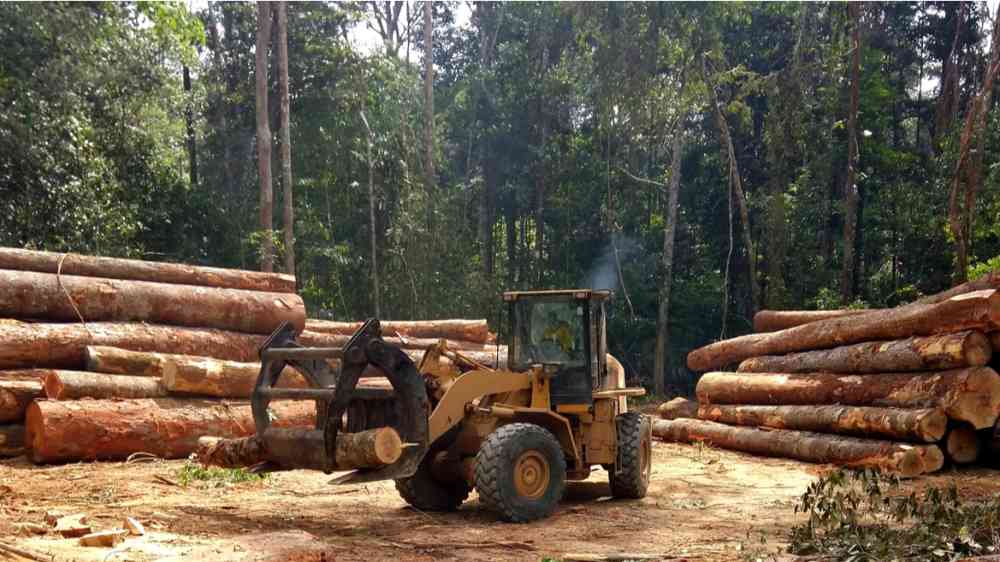
Wheel loader picking up the piles of wood from the Amazon forest region in Brazil
Research briefs

Deforestation is leading to temperature increases of up to 5°C in some tropical regions, according to data revealed in a new interactive map created by researchers at the University of Leeds.

University of Leeds
Research briefs

Cal Poly Humboldt study in partnership with Save the Redwoods League reveals how second-growth forests respond to modern wildfires and what managers can do to protect them.

California State Polytechnic University, Humboldt
Student gets his head wet to beat the heat of scorching sun
Research briefs

With heatwaves among Europe's deadliest climate hazards, a team of scientists led by CMCC has developed a prediction system capable of providing helpful information 4 to 7 weeks before summer, which gives valuable time to improve preparedness.

Centro Euro-Mediterraneo sui Cambiamenti Climatici (CMCC)