1. Home
  2. Knowledge Base | PreventionWeb

Research briefs

Keep up to date with the latest research on disaster risk and resilience on the PreventionWeb knowledge base.

Explore cutting-edge research on disaster risk reduction and resilience through PreventionWeb's dedicated research briefs section. Our platform curates and highlights the most recent academic studies, providing valuable insights into disaster risk management. Each research brief distills key findings from peer-reviewed journals and academic publications.

Submit a research brief.

These briefs are designed to keep you informed about the latest scientific advances. Links to the full publications are always included, ensuring easy access to in-depth knowledge. Please note that this section exclusively features academic research, distinct from reports by international organizations or Non-Governmental Organisations.

Uploaded on
Tsunami evacuation route sign at Cannon Beach, Oregon, guiding beachgoers to safety.
Research briefs

In a new study published in Seismological Research Letters, researchers Alejandra Gubler and Matías Carvajal demonstrate that the safety of evacuation routes strongly depends on how soon after an earthquake people begin to evacuate.

Seismological Research Letters
Rain garden, Japan
Research briefs

Researchers compared rain barrels, rain gardens, and their combination to assess flood control, costs, and environmental benefits in residential areas.

Shibaura Institute of Technology (SIT)
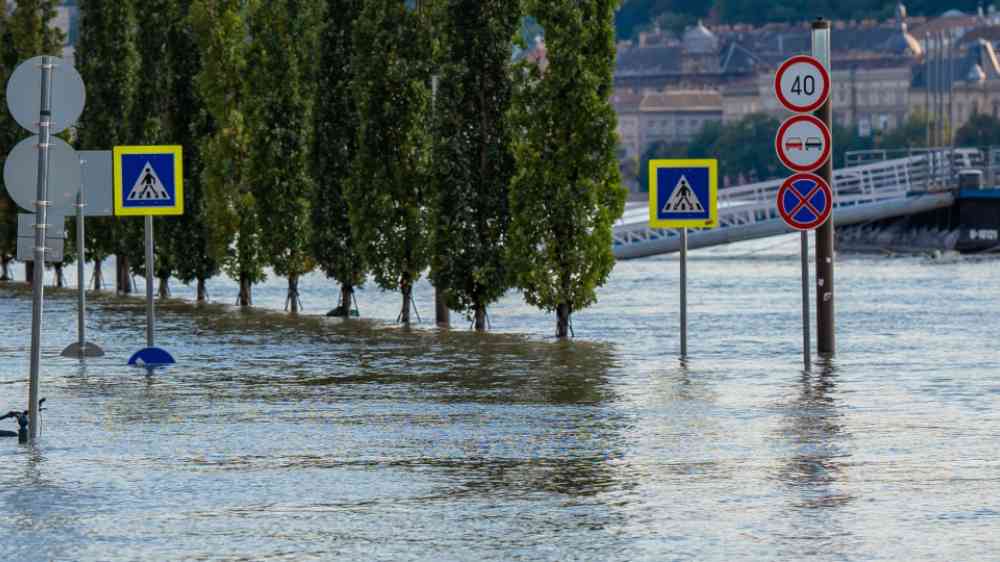
Rising waters flood the highway outside Budapest's parliament in the aftermath of Storm 'Boris', 2024.
Research briefs

Resilience is often considered to be a positive idea. It suggests that people can adapt to uncertainty, to prepare for disruption, and recover quickly when floods strike. But research suggests many communities are deeply uncomfortable with this messaging.

Conversation Media Group, the
Drought in the Amazon River, a consequence of the lack of rainfall in the Amazon
Research briefs

Scientists have identified the conditions that make it possible to predict some El Niño and La Niña events up to a year in advance, potentially giving communities and decision-makers significantly more time to prepare for weather extremes.

University of Melbourne
Research briefs

Earthquake-damaged masonry walls need repairs tailored to how they cracked. Walls may slide along joints, rock at the base or develop diagonal cracks, and repairs effective for one type of masonry or damage may not work for another.

Istanbul Technical University
Research briefs

In a Policy Article, authors use Jamaica’s experience with 2025’s Hurricane Melissa to reveal how extreme weather and disaster spending can trap climate-vulnerable countries in a cycle of recovery borrowing and underinvestment in future climate resilience

American Association for the Advancement of Science
Dramatic skyline of a Copenhagen factory with smoke and wind turbines at sunset.
Research briefs

Heat-related deaths in Europe’s urban areas exceeded 50,000 in the summer of 2026. More than 32,000 of those deaths were attributable to human-caused global warming, driven by the burning of fossil fuels, according to studies published in Nature Health.

Inside Climate News
Research briefs

Running a global glacier model at daily rather than monthly resolution across more than 12,500 glaciers reproduces observed mass loss better and projects a 5 to 10 per cent larger glacier contribution to 21st-century sea-level rise.

ETH Zurich