1. Home
  2. Knowledge Base | PreventionWeb

Research briefs

Keep up to date with the latest research on disaster risk and resilience on the PreventionWeb knowledge base.

Explore cutting-edge research on disaster risk reduction and resilience through PreventionWeb's dedicated research briefs section. Our platform curates and highlights the most recent academic studies, providing valuable insights into disaster risk management. Each research brief distills key findings from peer-reviewed journals and academic publications.

Submit a research brief.

These briefs are designed to keep you informed about the latest scientific advances. Links to the full publications are always included, ensuring easy access to in-depth knowledge. Please note that this section exclusively features academic research, distinct from reports by international organizations or Non-Governmental Organisations.

Uploaded on
Research briefs

U-M is helping lead a collaboration to better forecast the chain reactions of downstream damages caused by wildfires, hurricanes, earthquakes and more.

University of Michigan
Research briefs

With heatwaves hitting Canada harder and more often, there’s a need to rethink how we design homes and neighbourhoods. Speaking with three UBC experts, they explain how smarter design and nature-based solutions can keep Canadians cool, safe and healthy.

University of British Columbia
Research briefs

The record-breaking flood underscores a looming crisis for mid-high latitude regions as climate change amplifies compound disasters.

Chinese Academy of Sciences
rain
Research briefs

A recent study reveals a looming climate crisis: the world could face heightened risks of “precipitation whiplashes” – violent swings between extreme droughts and floods

The Hong Kong University of Science and Technology
Research briefs

A team of climate scientists reveal how the ability to predict the WPSH has transformed over the past century. It has significantly improved since the 1960s and this is due to robust oceanic signals from the Indo-Pacific region.

Chinese Academy of Sciences
Hurricane Beryl as seen from space from the International Space Station
Research briefs

Destructive hurricanes followed by deadly heatwaves will become far more common by the end of this century, new research from Princeton University shows.

Princeton University
Research briefs

A research team from the Alfred Wegener Institute has for the first time gained insights into a current in the Barents Sea which affects Arctic sea ice

Alfred Wegener Institut
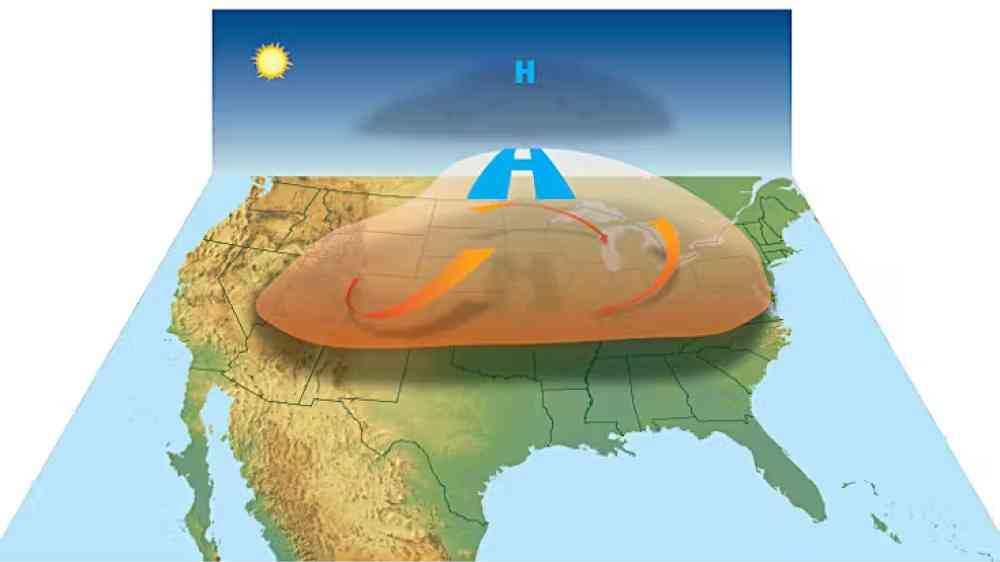
A diagram of a heat dome over a map of the continental USA.
Research briefs

The study finds that atmospheric patterns known to lock in extreme weather, like heat domes and flooding, have nearly tripled since the 1950s, and highlights a growing gap between real-world risks and what climate models currently capture.

University of Pennsylvania